The Great Migration
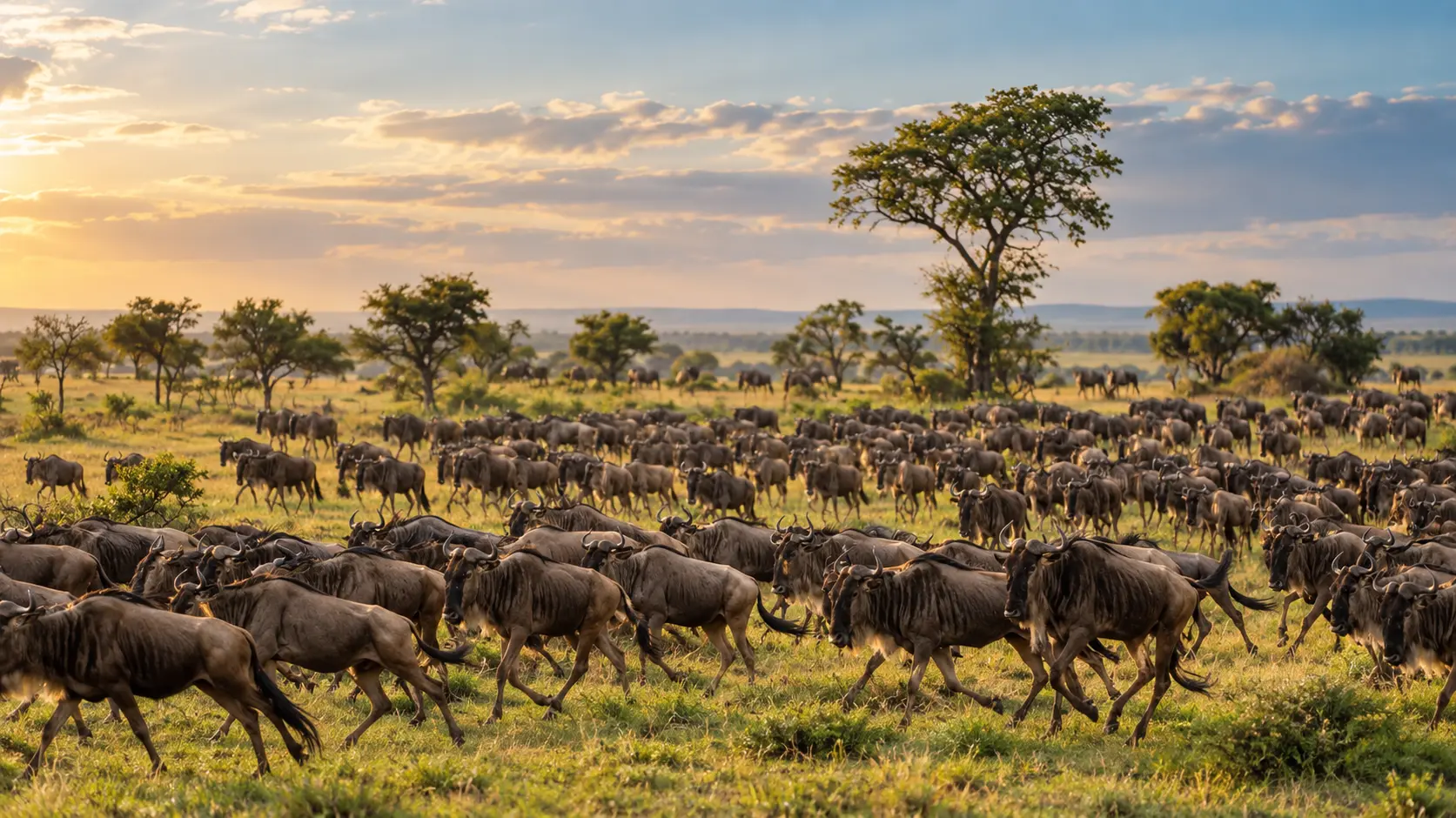
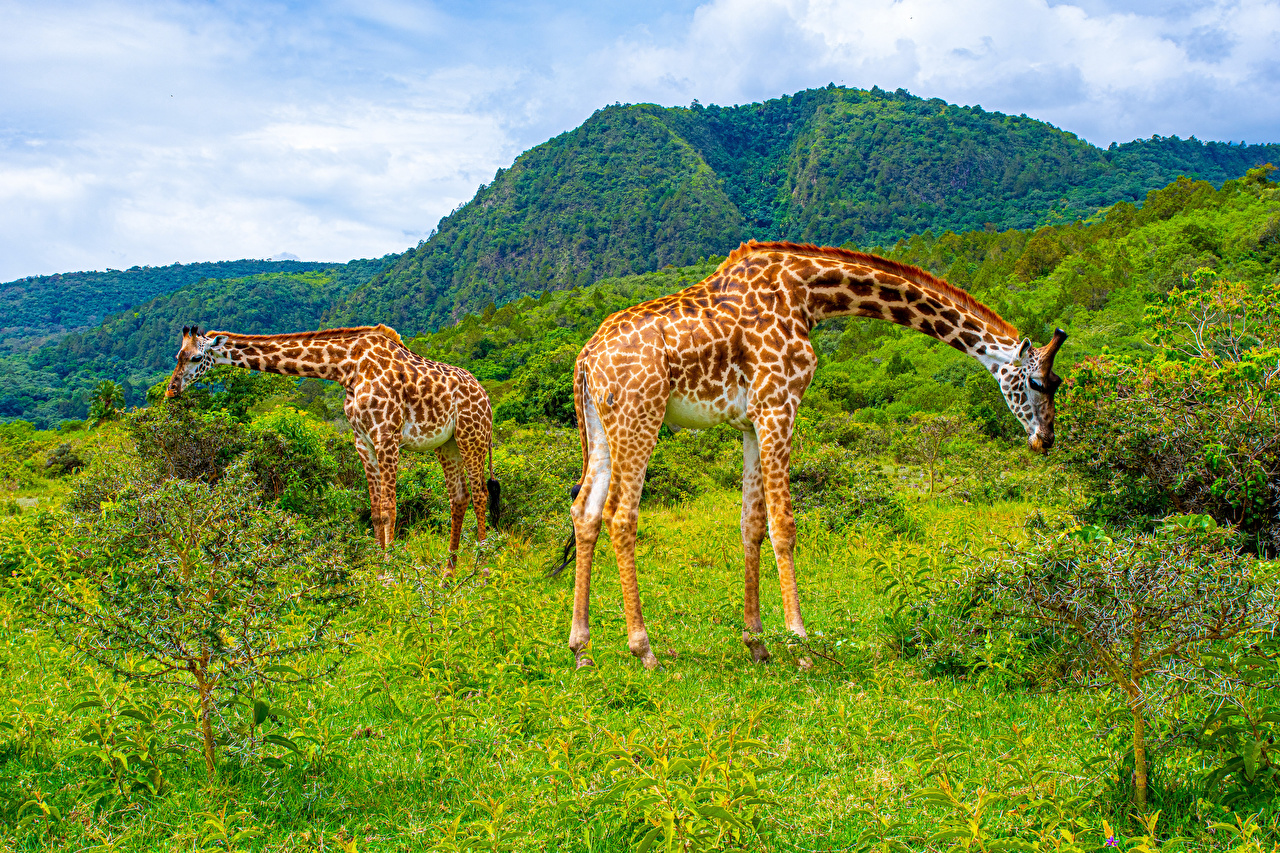
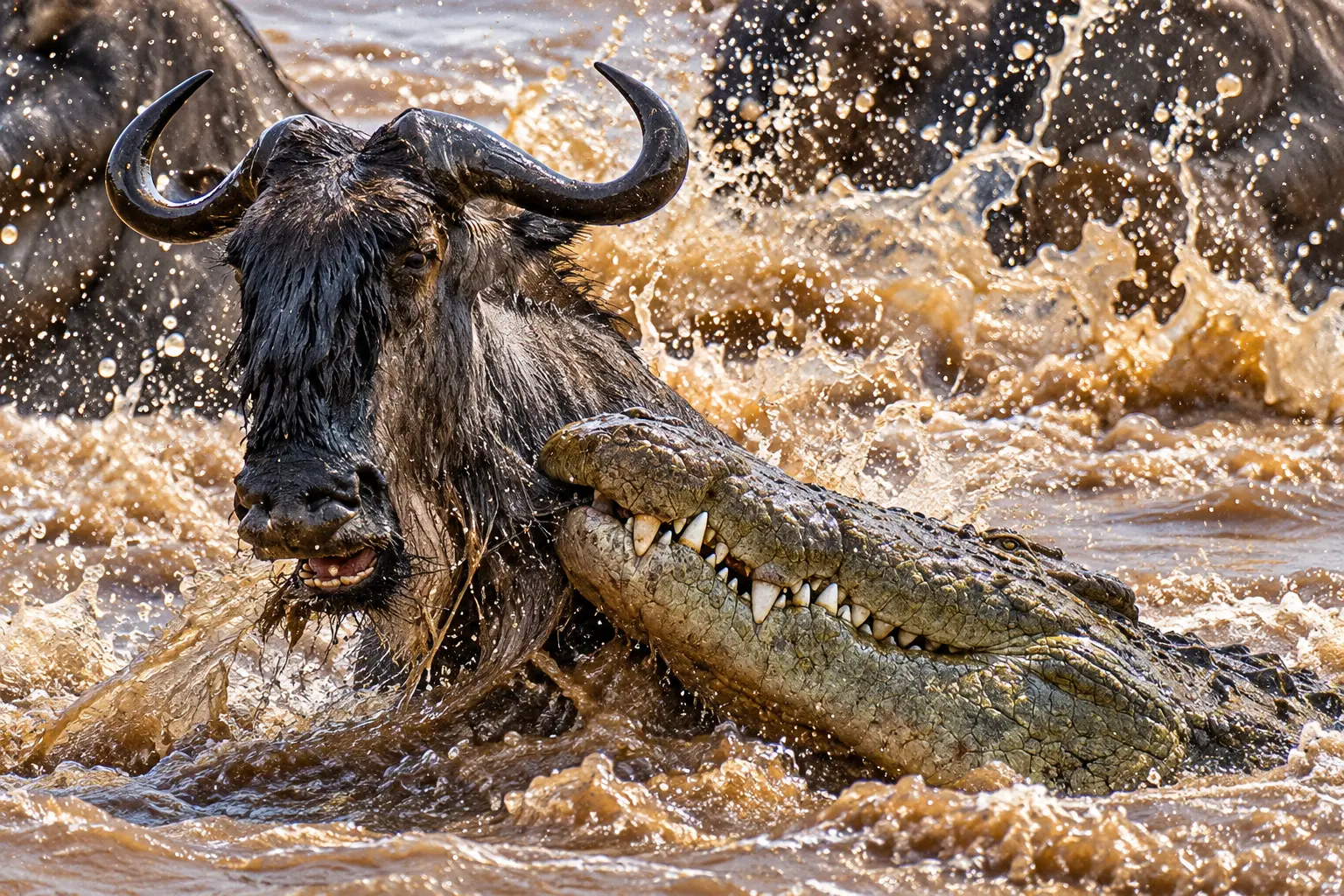
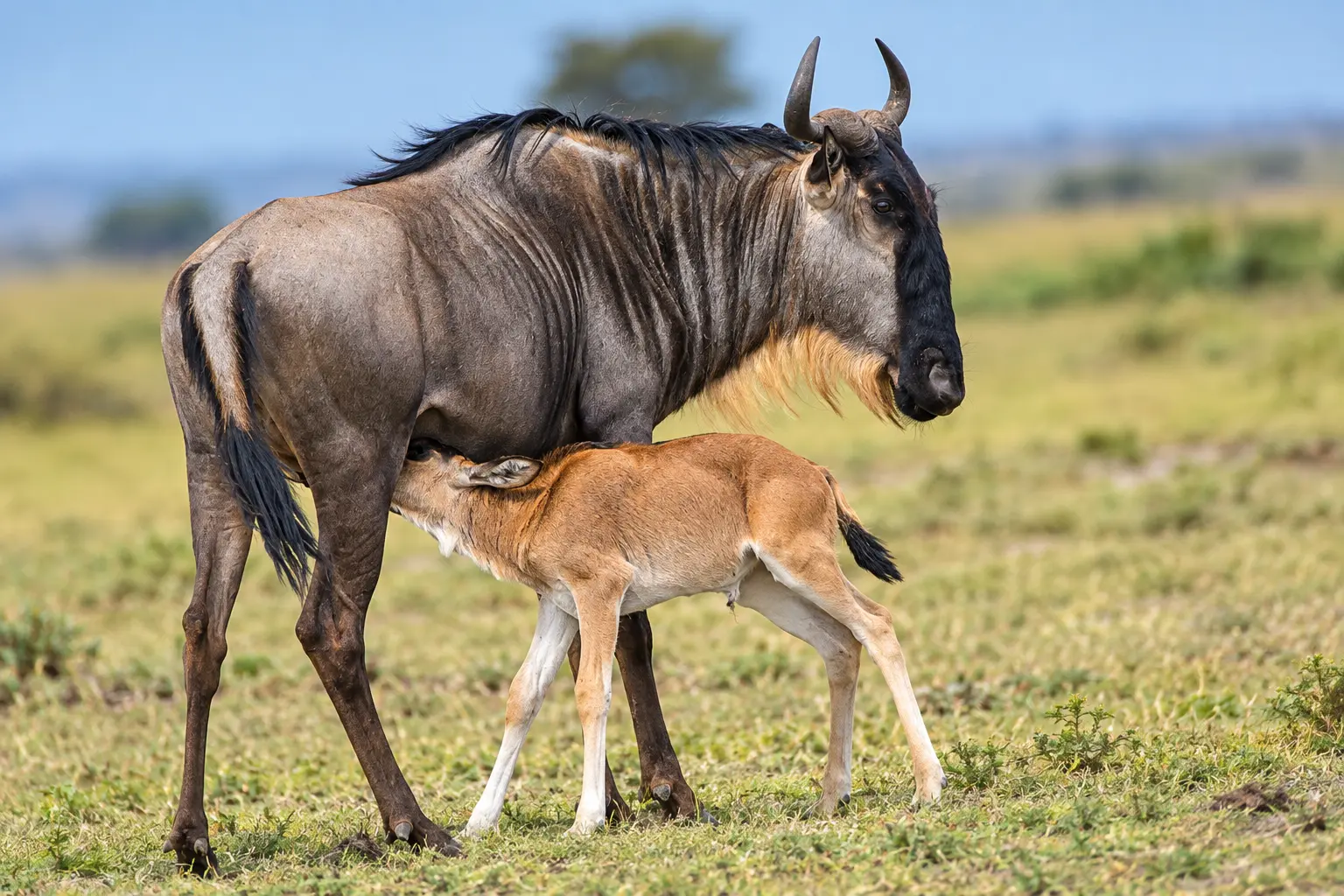
Over 2 million wildebeest and zebra move through the Serengeti ecosystem year-round.
Tanzania Safari Circuit
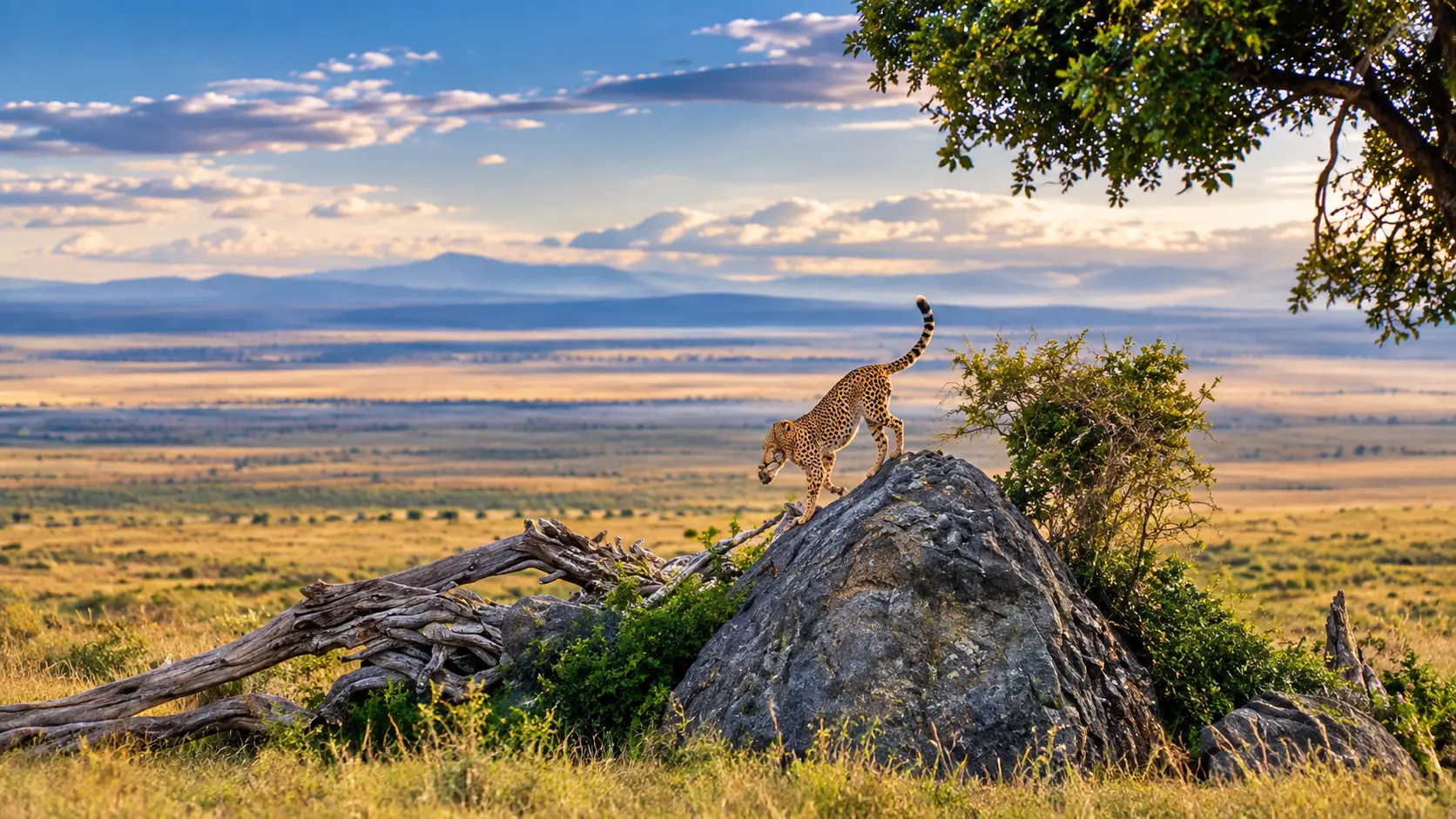
Tanzania's classic safari route: the Serengeti's endless plains, the Ngorongoro Crater's Big Five, Tarangire's elephant herds, Lake Manyara's flamingos, and Kilimanjaro and Mount Meru on the horizon.
THE CLASSIC ROUTE
01 — Overview
Tanzania's most popular and most accessible safari circuit — and for good reason.
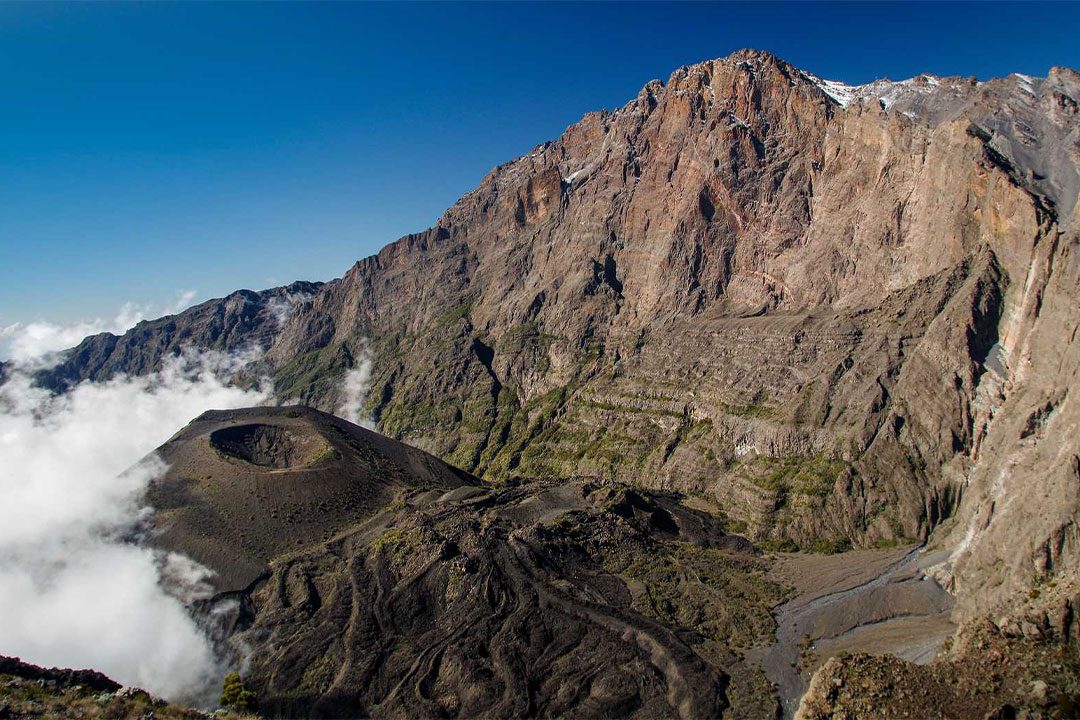
The Northern Circuit links Tanzania's most famous parks into one easy loop from Arusha: the Serengeti's endless plains and the Great Migration, the wildlife-dense Ngorongoro Crater, Tarangire's ancient baobabs and elephant herds, and Lake Manyara's forests and flamingos. Mount Kilimanjaro and Mount Meru rise at its edges for travellers combining a climb with their safari.
Good roads, short transfer times between parks, and the widest choice of lodges and camps in Tanzania make this the easiest circuit to plan, whether it's your first safari or your fifth. Most itineraries run 4 to 9 days and can start or end with a Kilimanjaro climb or a few days on the beaches of Zanzibar.
02 — Why This Circuit
The circuit that made Tanzania a safari icon.
Over 2 million wildebeest and zebra move through the Serengeti ecosystem year-round.
The Ngorongoro Crater offers Tanzania's highest concentration of wildlife in one setting.
Short drives between parks and the widest choice of lodges, camps and flight options in Tanzania.
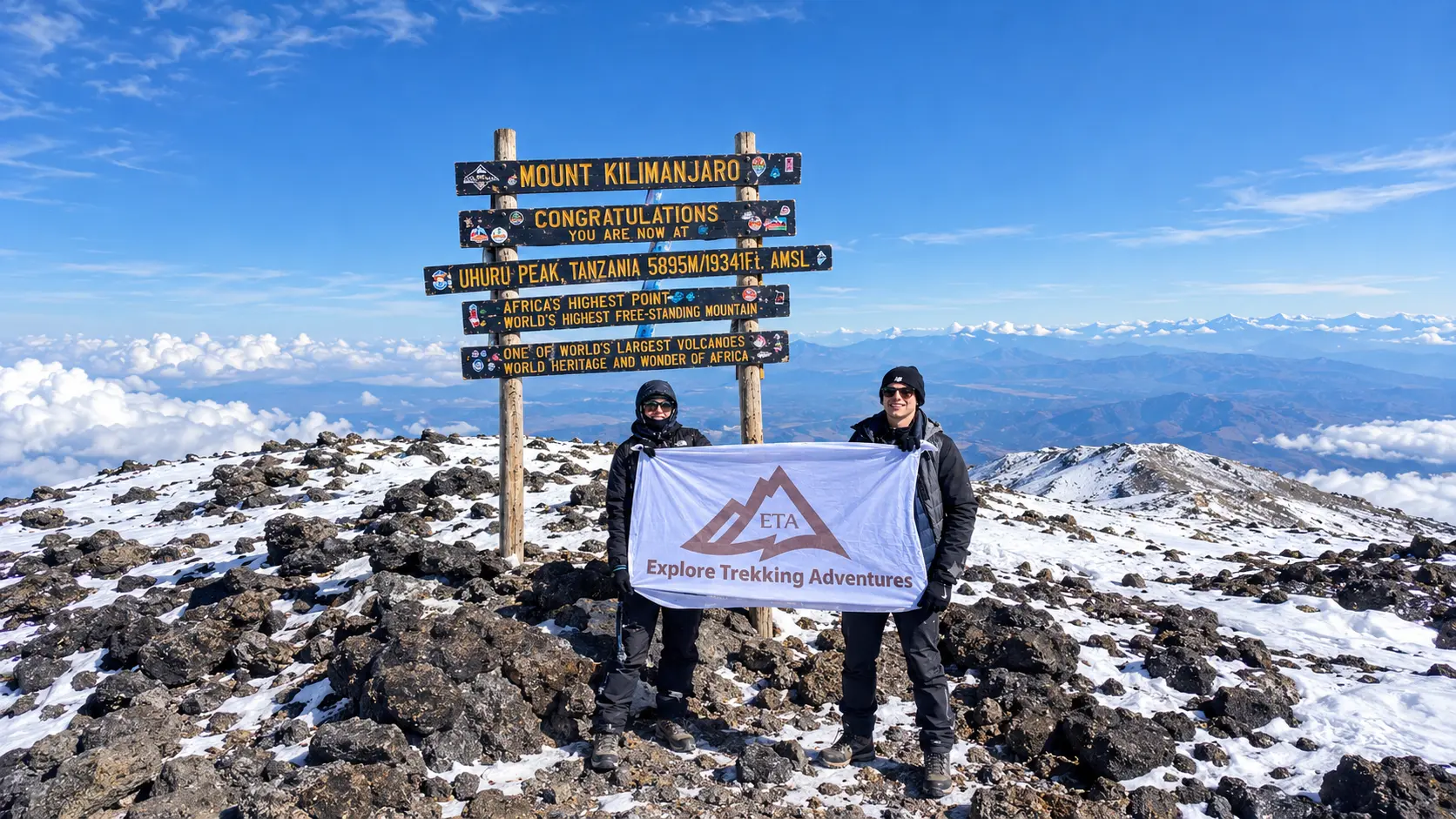
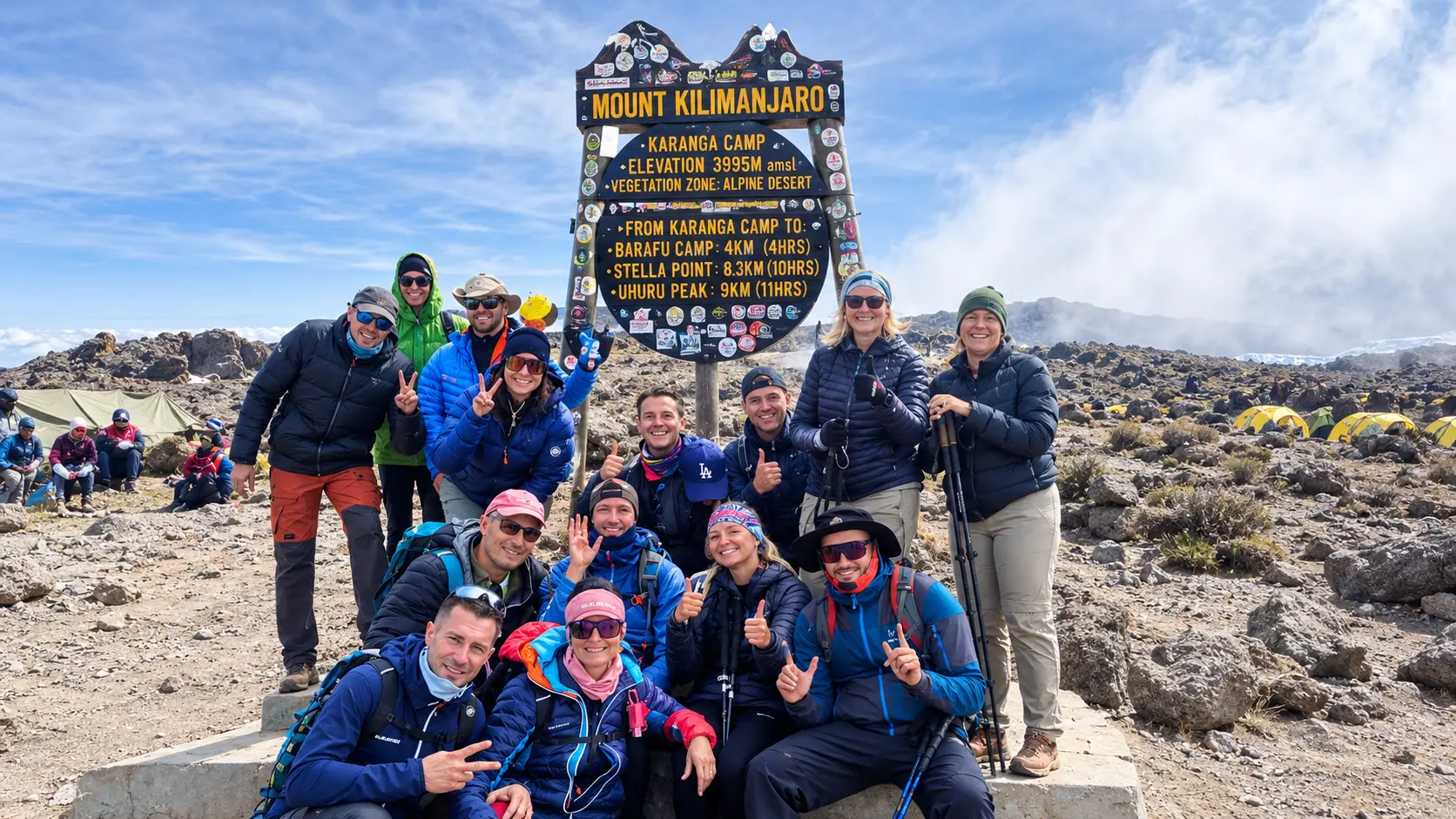
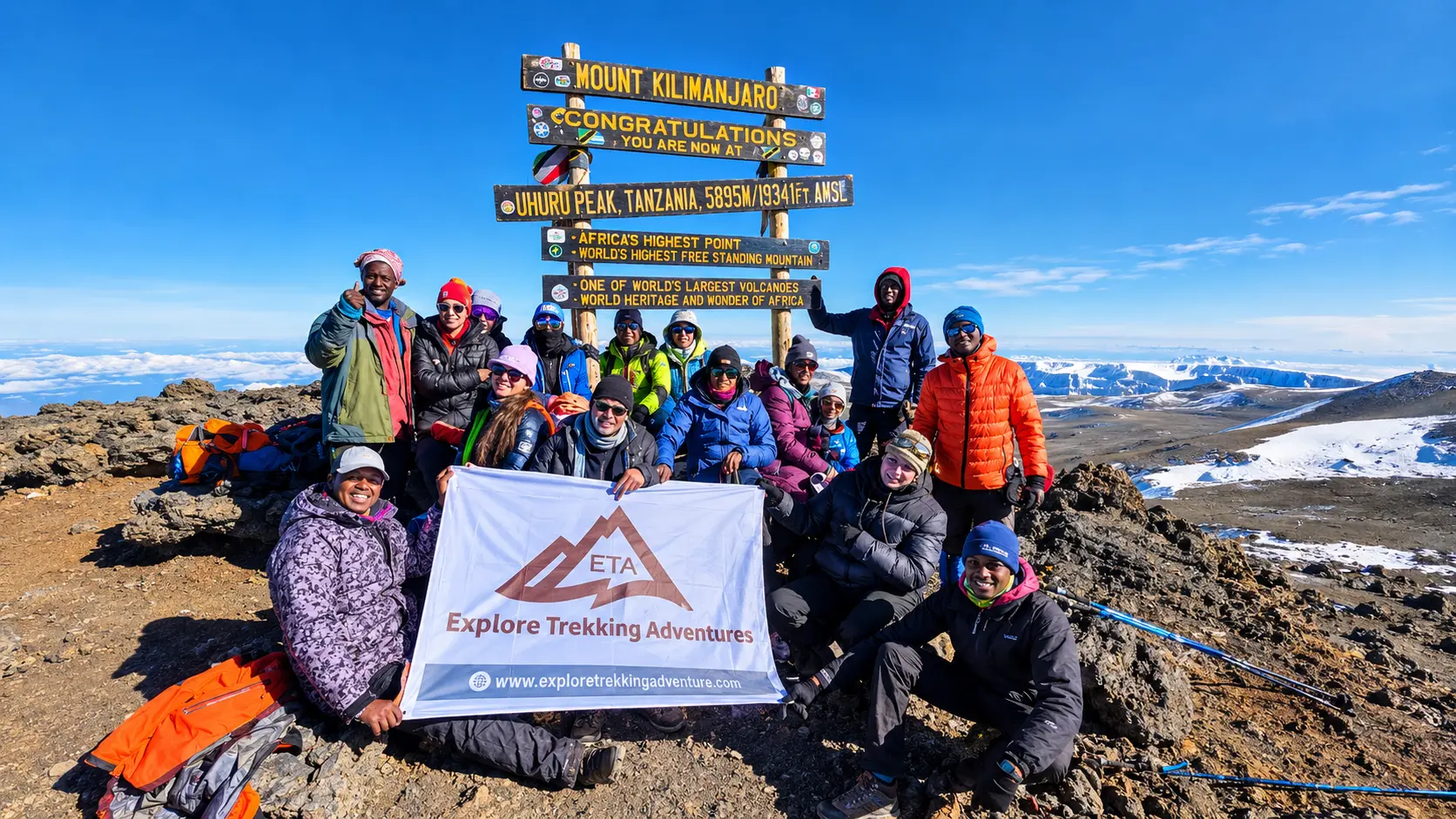
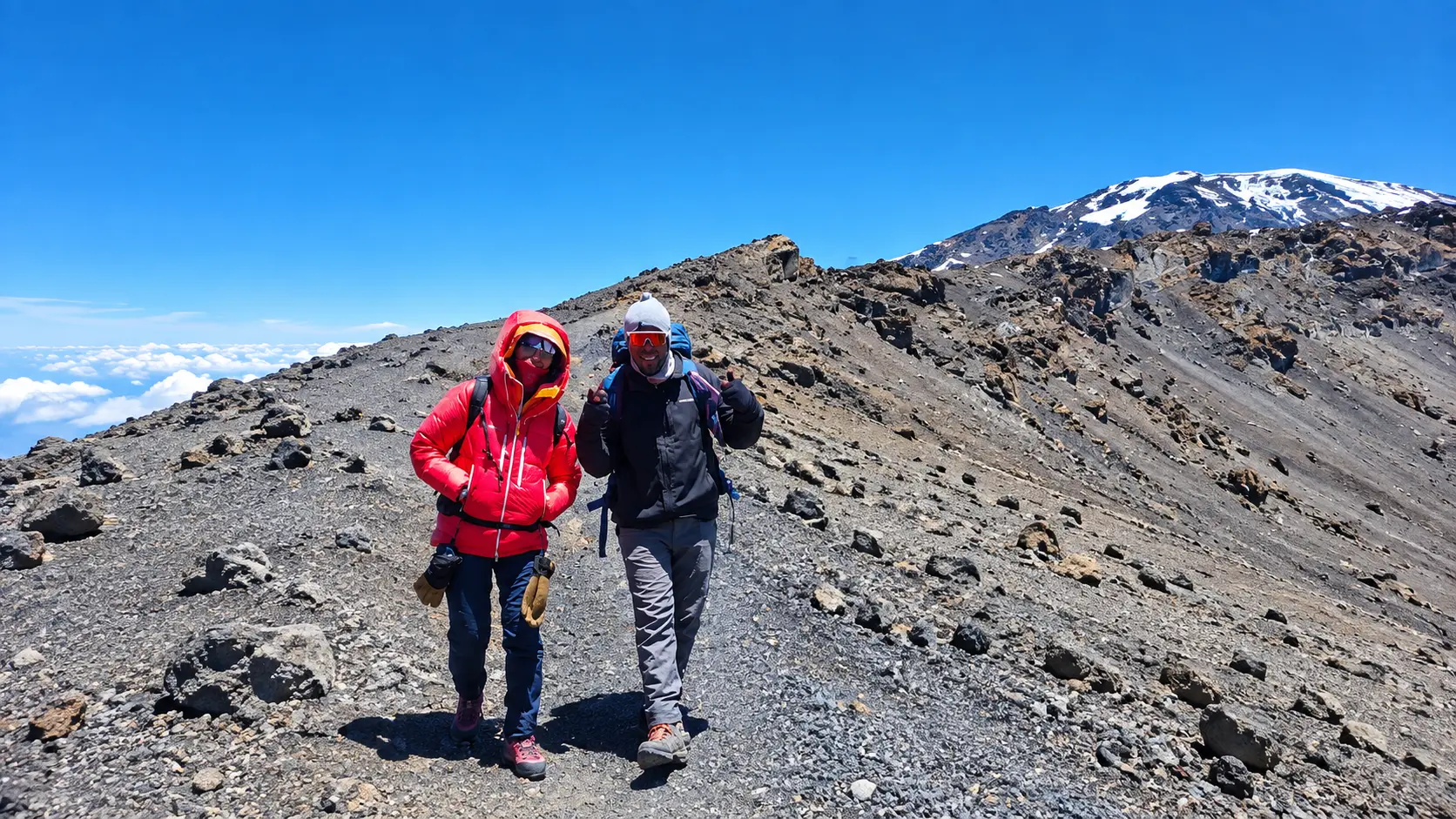
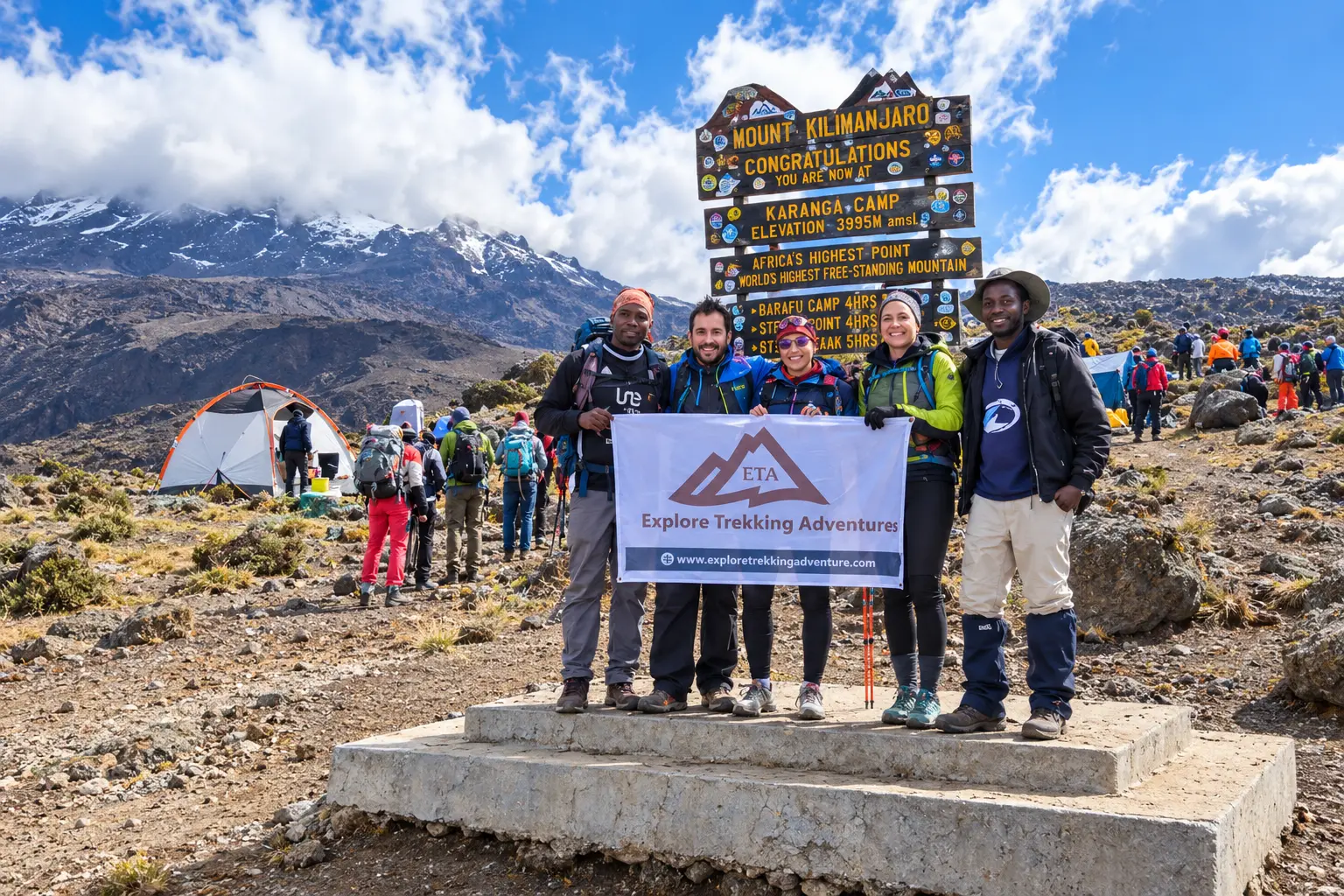
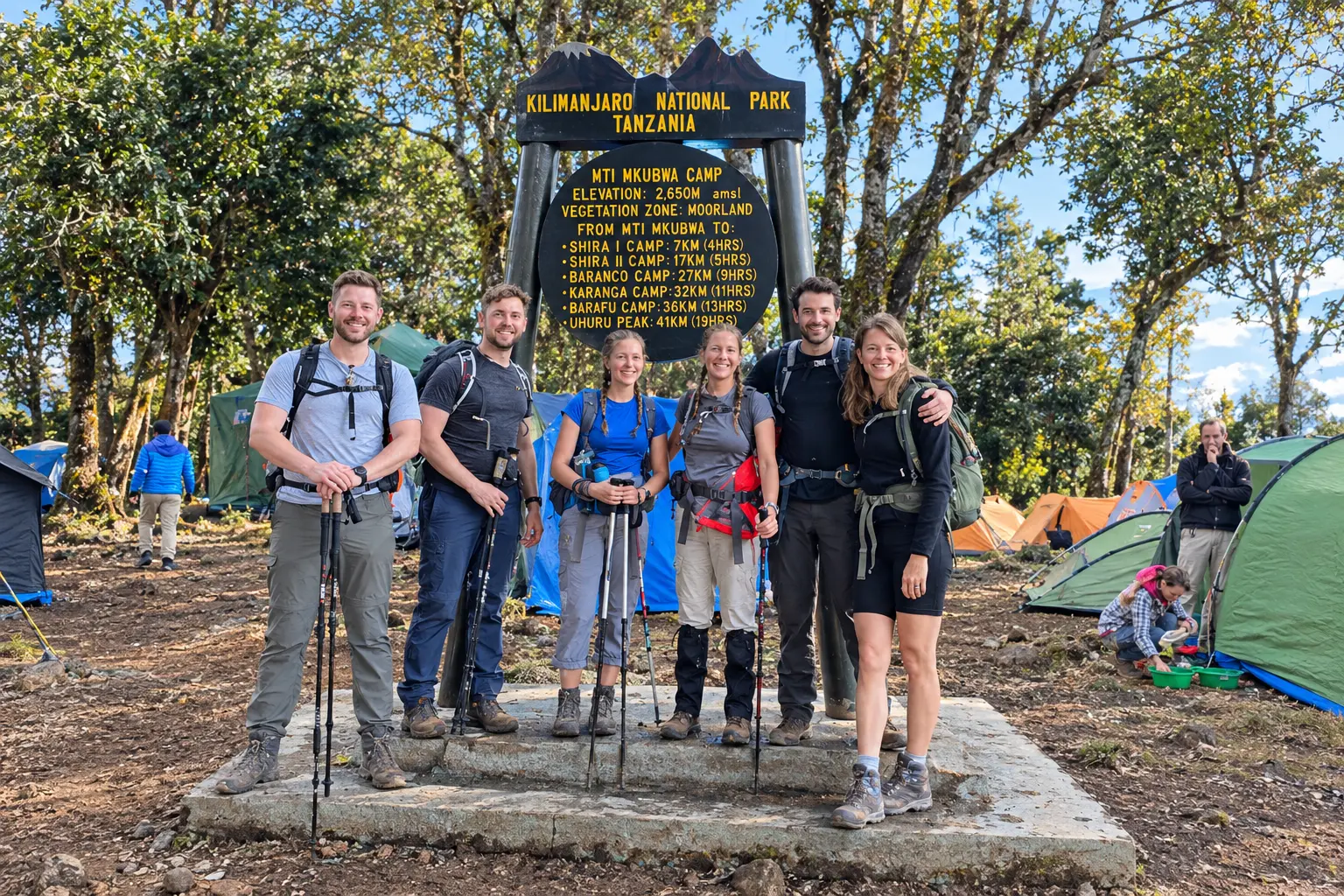
Start or finish your safari with a climb up Africa’s highest peak, close to the circuit’s gateway towns.
03 — Destinations
Five parks and two mountains, each with its own character — visit two or all of them on one safari.
Sample Route
Every itinerary can be adjusted to your dates, budget and interests — this is a typical way to see the highlights.
Day 1
Arrive at Kilimanjaro Airport and settle in before your safari briefing.
Day 2
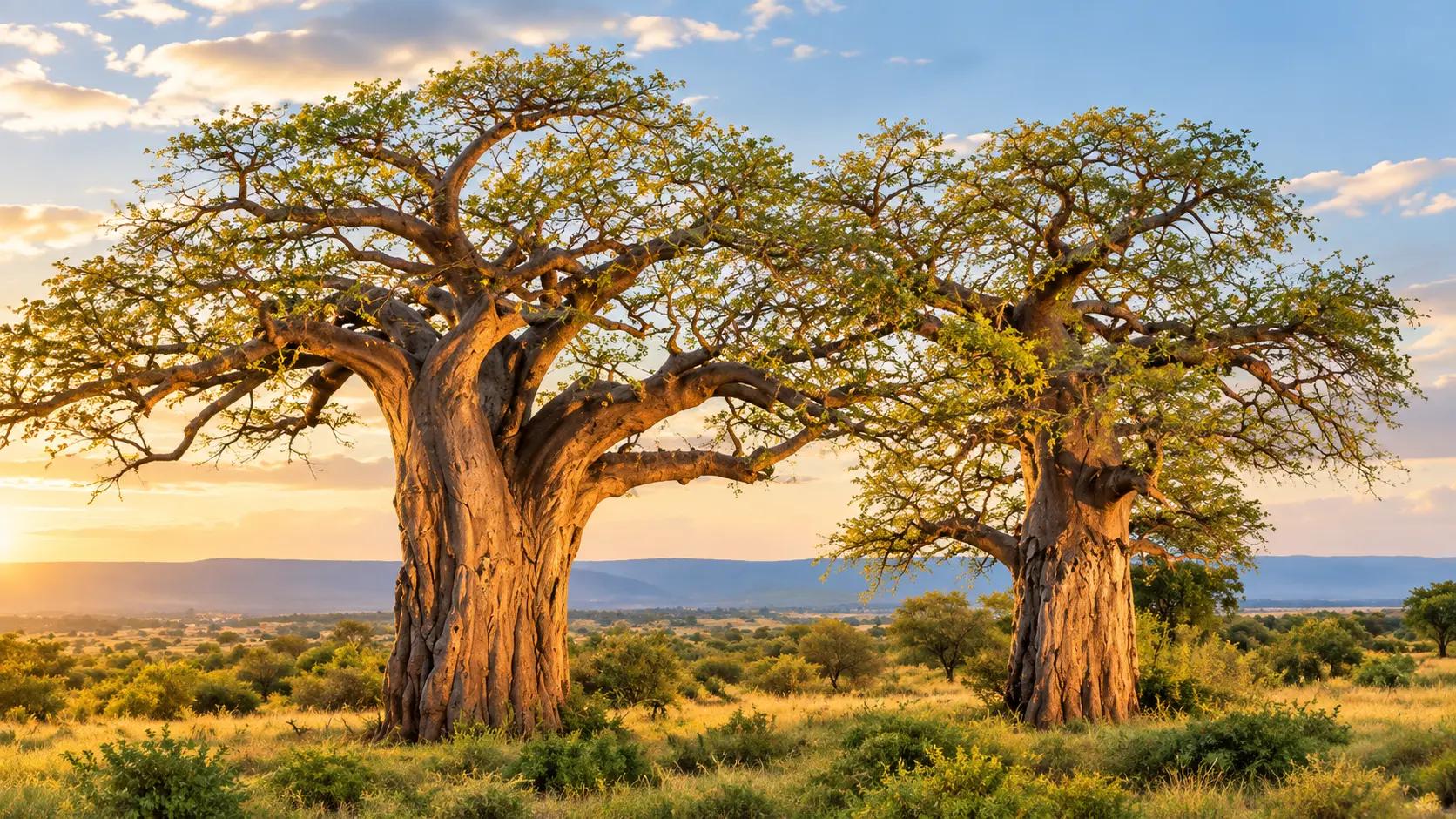
Afternoon game drive among Tarangire's baobabs and elephant herds.
Days 3–5
Game drives across the plains, following resident wildlife and, seasonally, the Great Migration.
Day 6
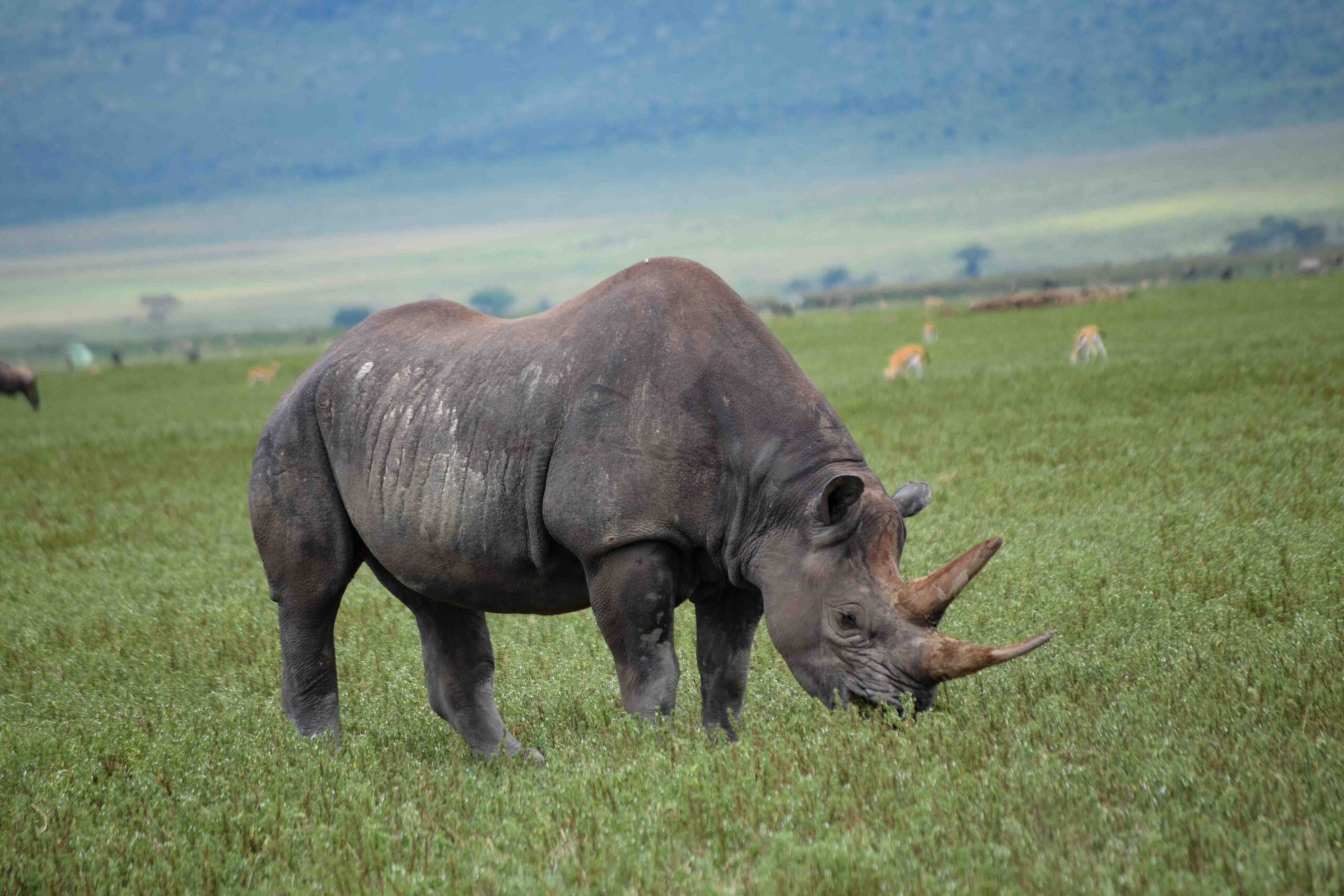
A full day on the crater floor in search of the Big Five.
Day 7
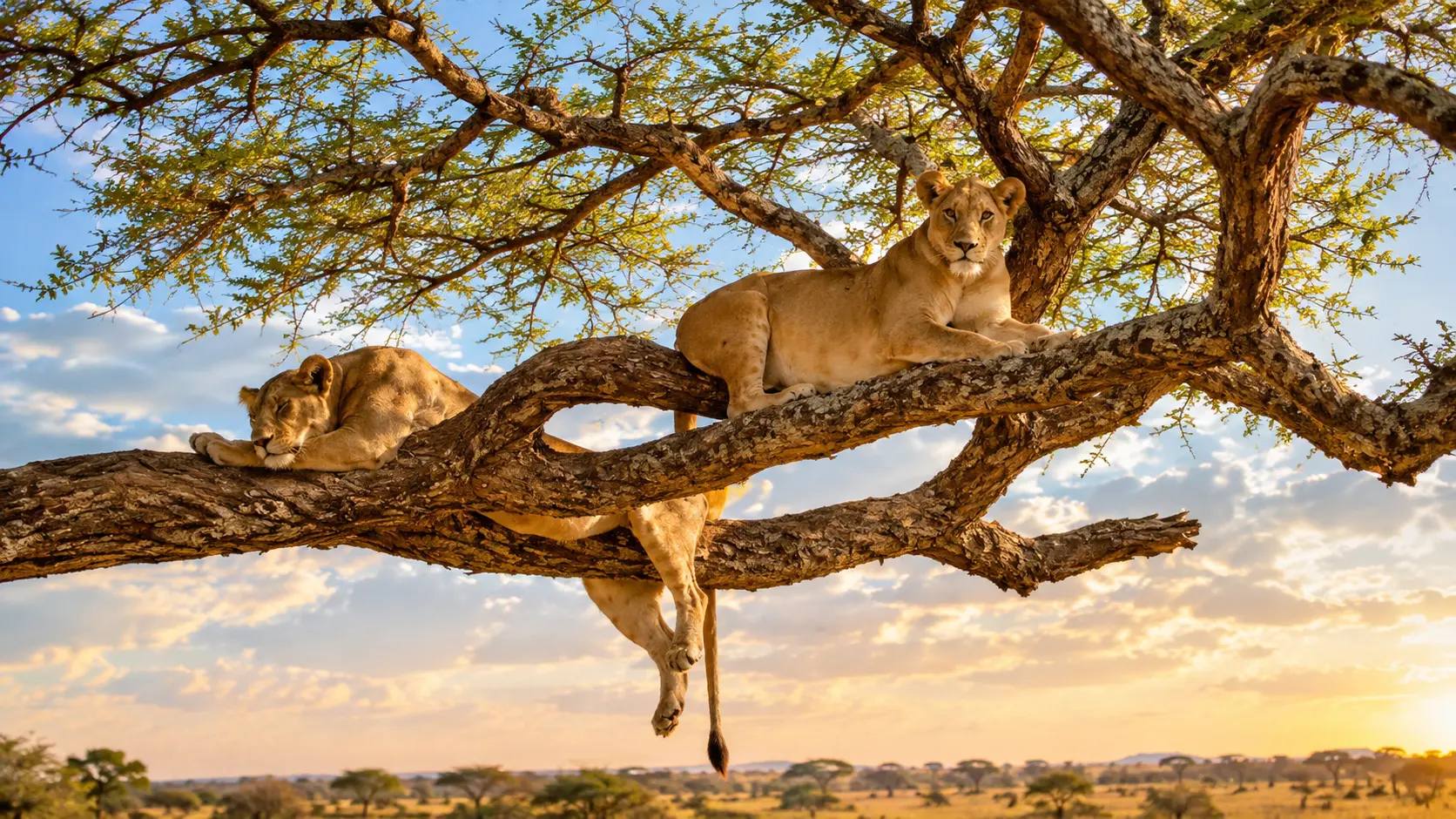
A stop for tree-climbing lions and flamingos on the way back to Arusha.
Wildlife
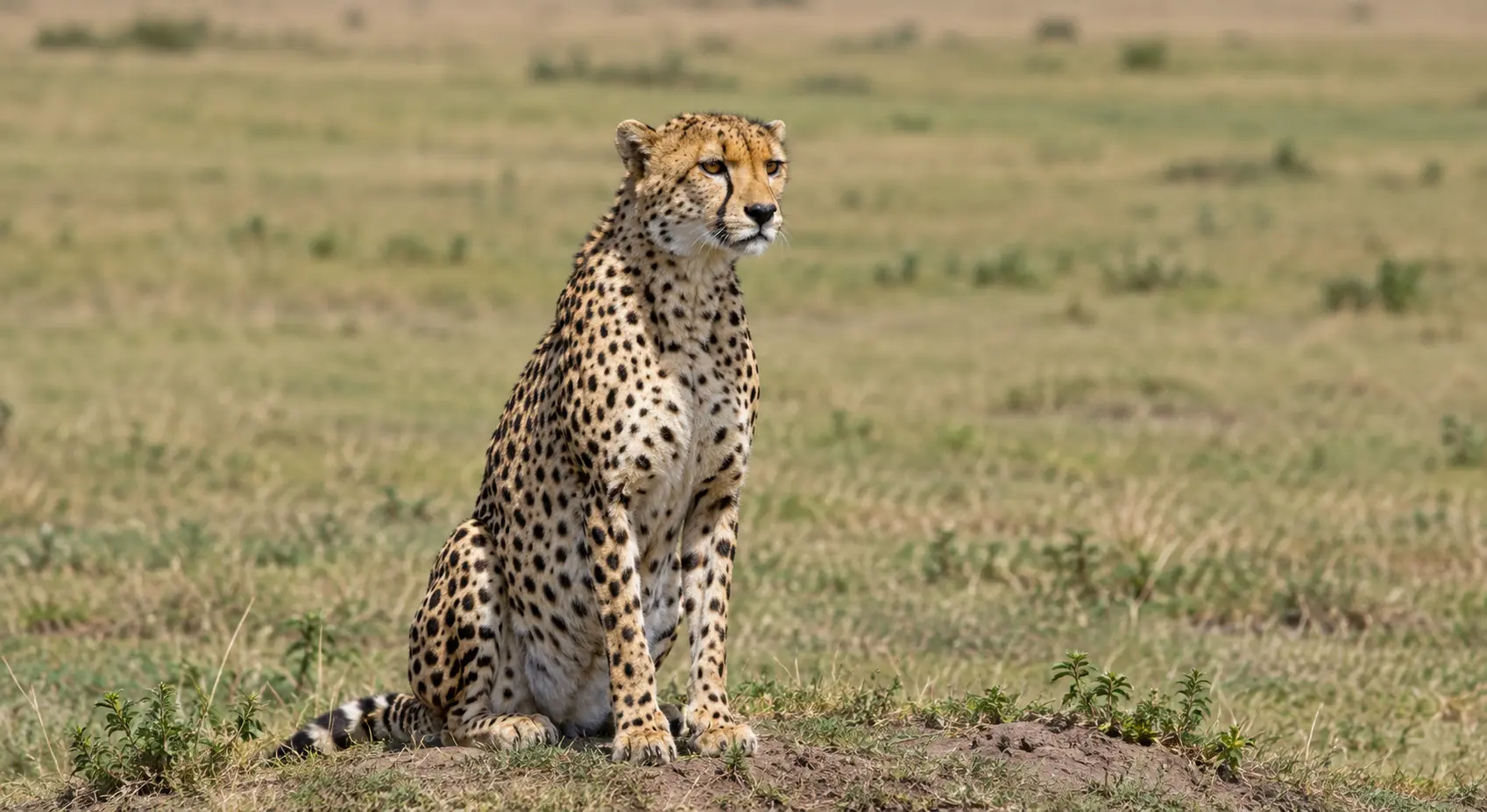
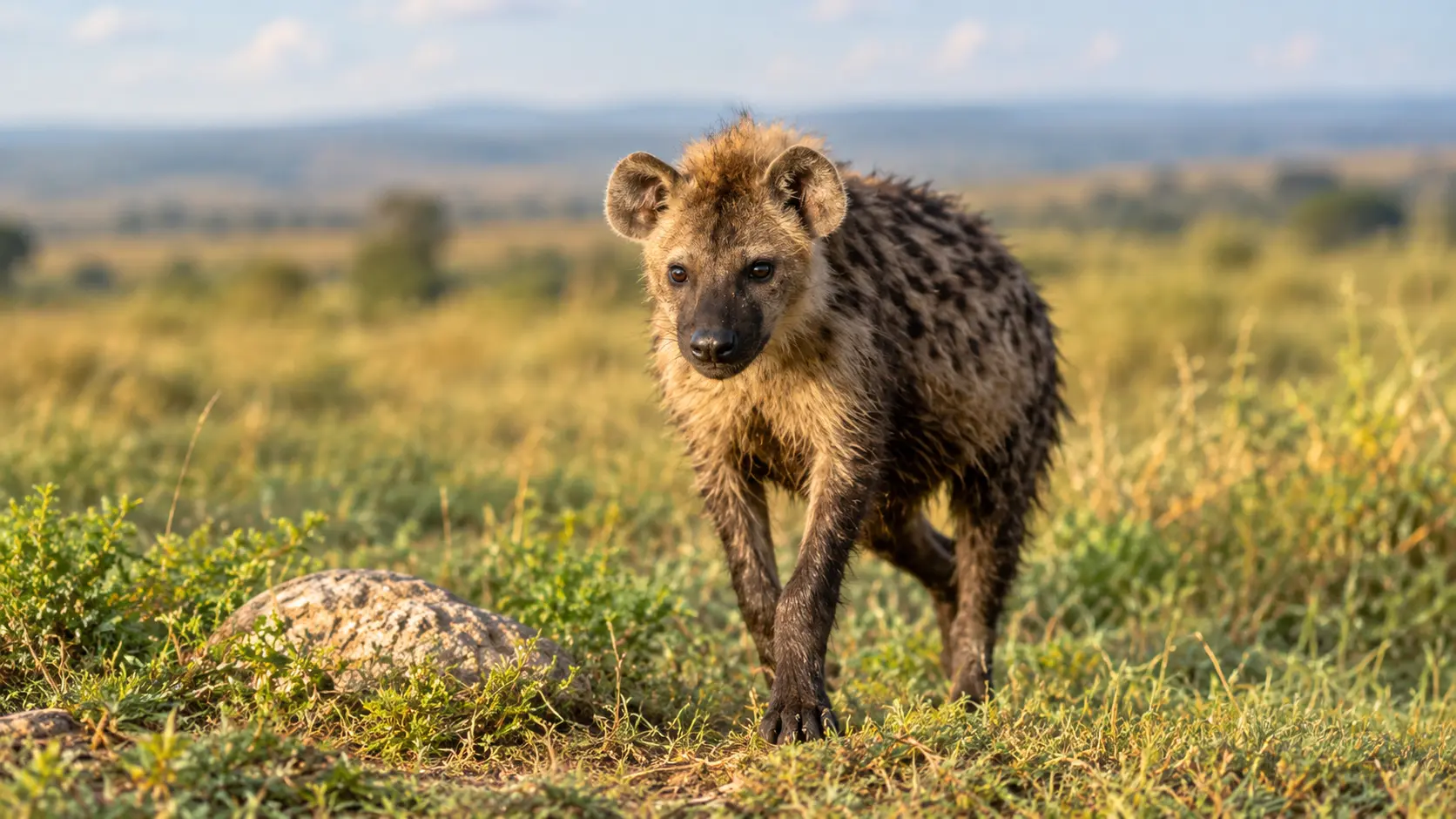
The Northern Circuit protects one of the greatest concentrations of large mammals on Earth. The Serengeti-Mara ecosystem is home to the Great Migration — over a million wildebeest and hundreds of thousands of zebra moving in an endless search for grass and water — trailed by lions, cheetahs, hyenas and Nile crocodiles at the river crossings.
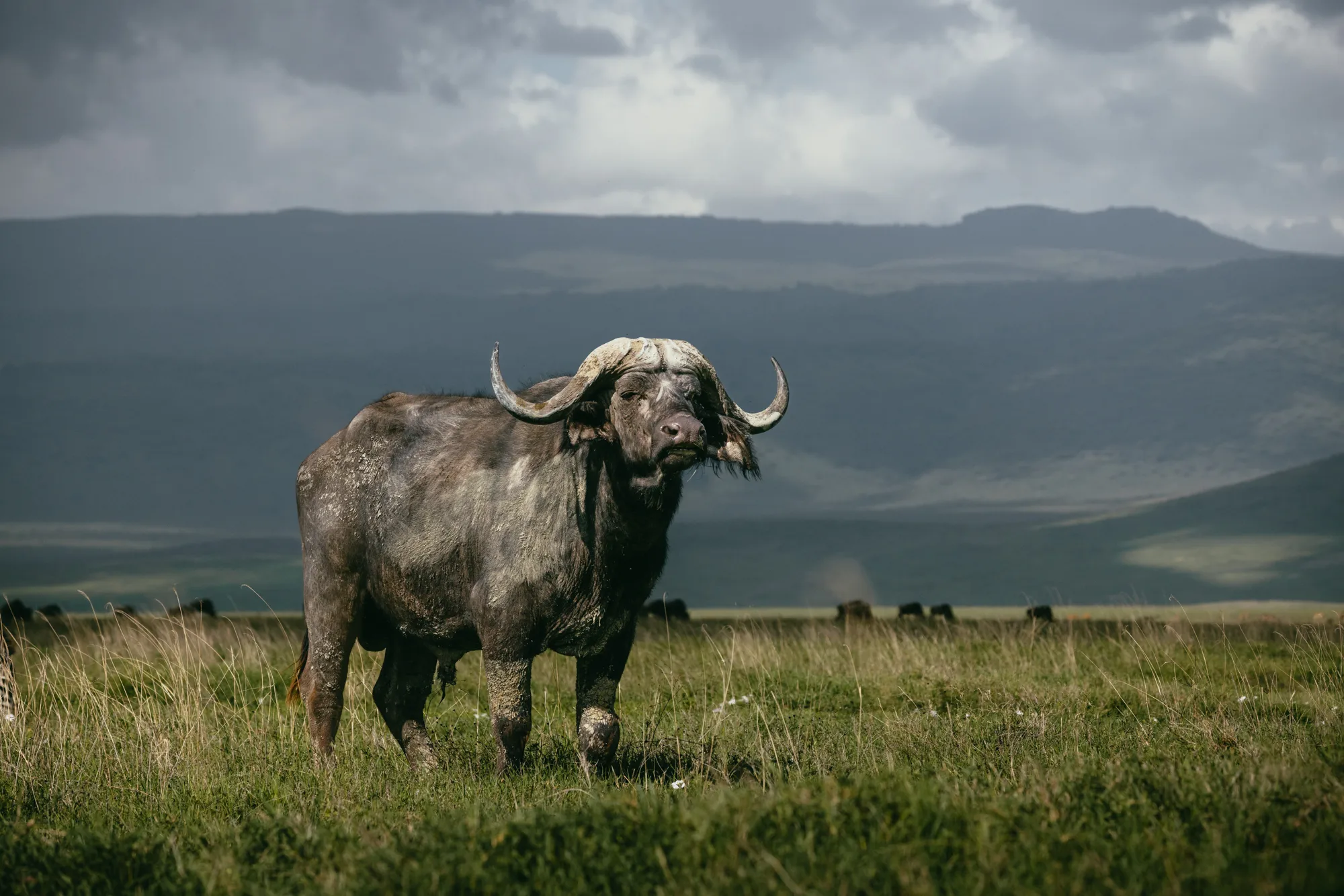
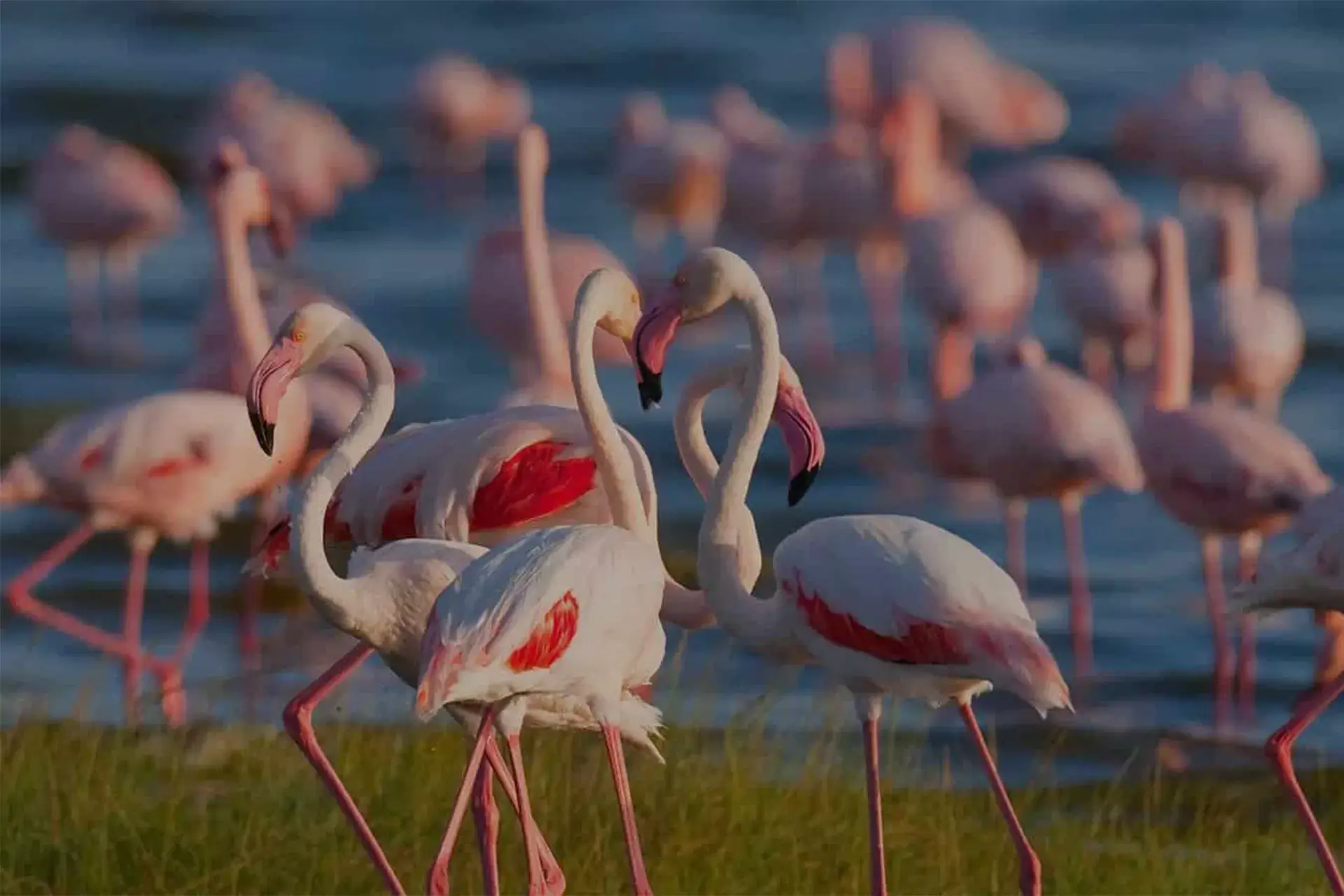
The Ngorongoro Crater holds one of Africa's densest lion populations and some of Tanzania's last black rhinos, while Tarangire is famous for its elephants and Lake Manyara for its rare tree-climbing lions and flocks of flamingos.
Best Time to Visit
The Northern Circuit rewards visitors in every season. The dry season (June–October) concentrates wildlife around rivers and waterholes and offers the clearest game viewing, while the short dry season (December–February) coincides with the calving season on the southern Serengeti plains. The long rains (March–May) bring lush scenery, migratory birds and quieter parks.
June to October
Best game viewing; wildlife gathers at rivers and waterholes.
November to May
Lush scenery, migratory birds and newborn animals; some roads can be muddy.
Most safaris begin at Kilimanjaro International Airport (JRO) or Arusha Airport, both well connected to Europe, the Middle East and the rest of Africa. Light aircraft link the parks for multi-day fly-in safaris.
Tarmac roads connect Arusha to Tarangire, Lake Manyara and the Ngorongoro Crater rim; a scenic unpaved road continues into the Serengeti. Private 4x4 transfers between parks typically take 2–4 hours.
Location
The parks form a loop north-west of Arusha, with Kilimanjaro and Mount Meru rising to the east.
Northern Circuit
Open in Google MapsAccommodation
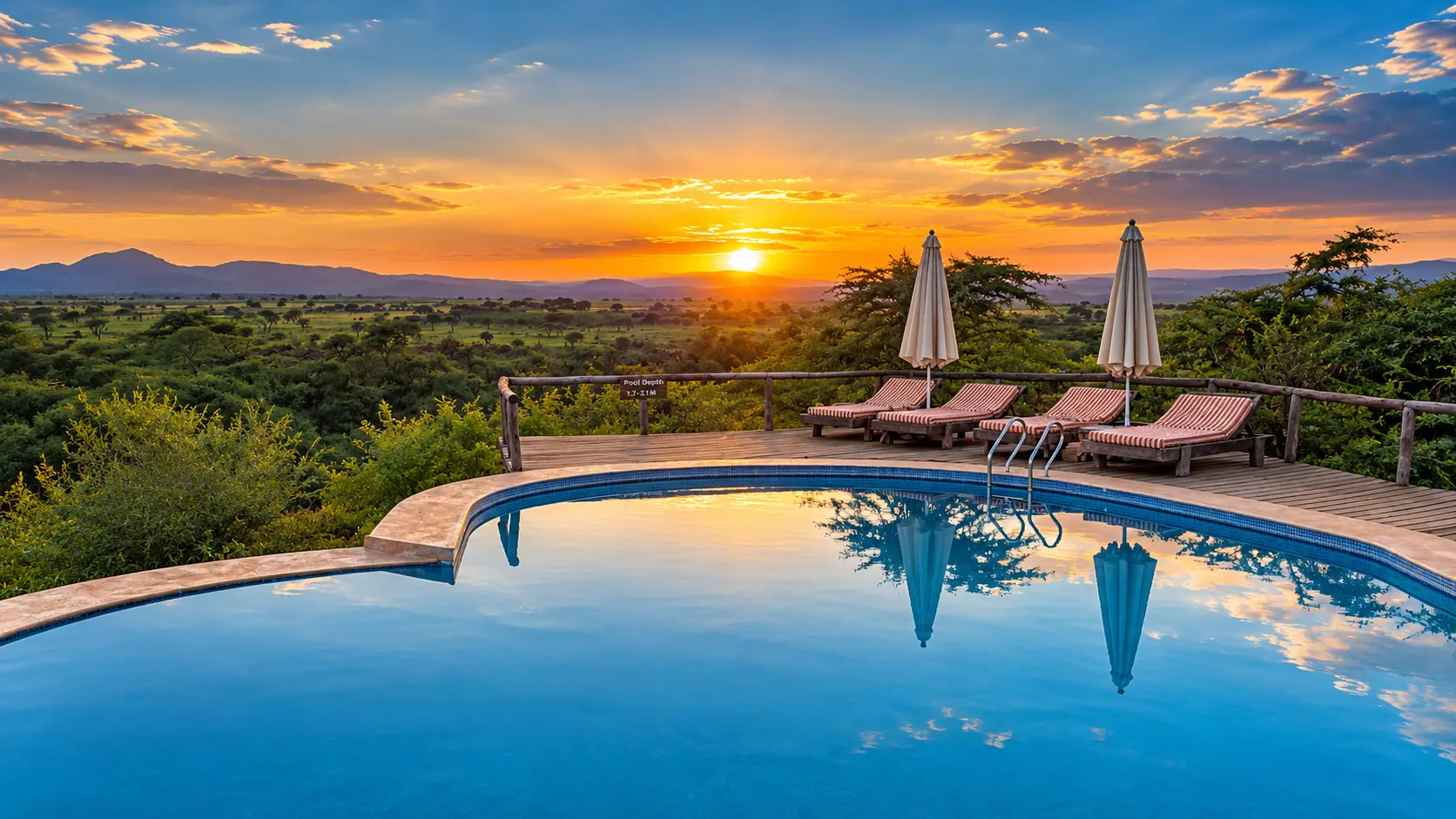
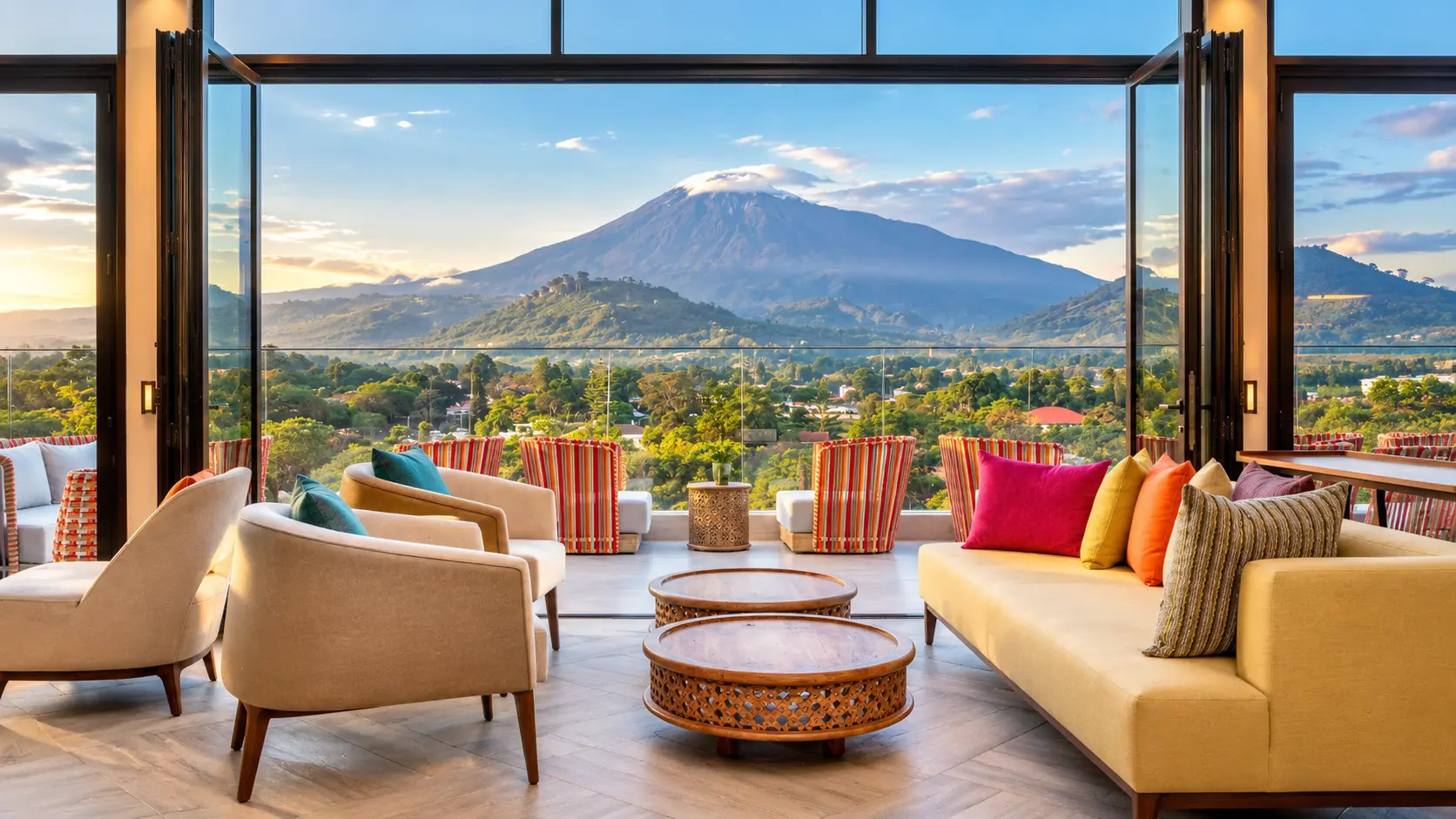
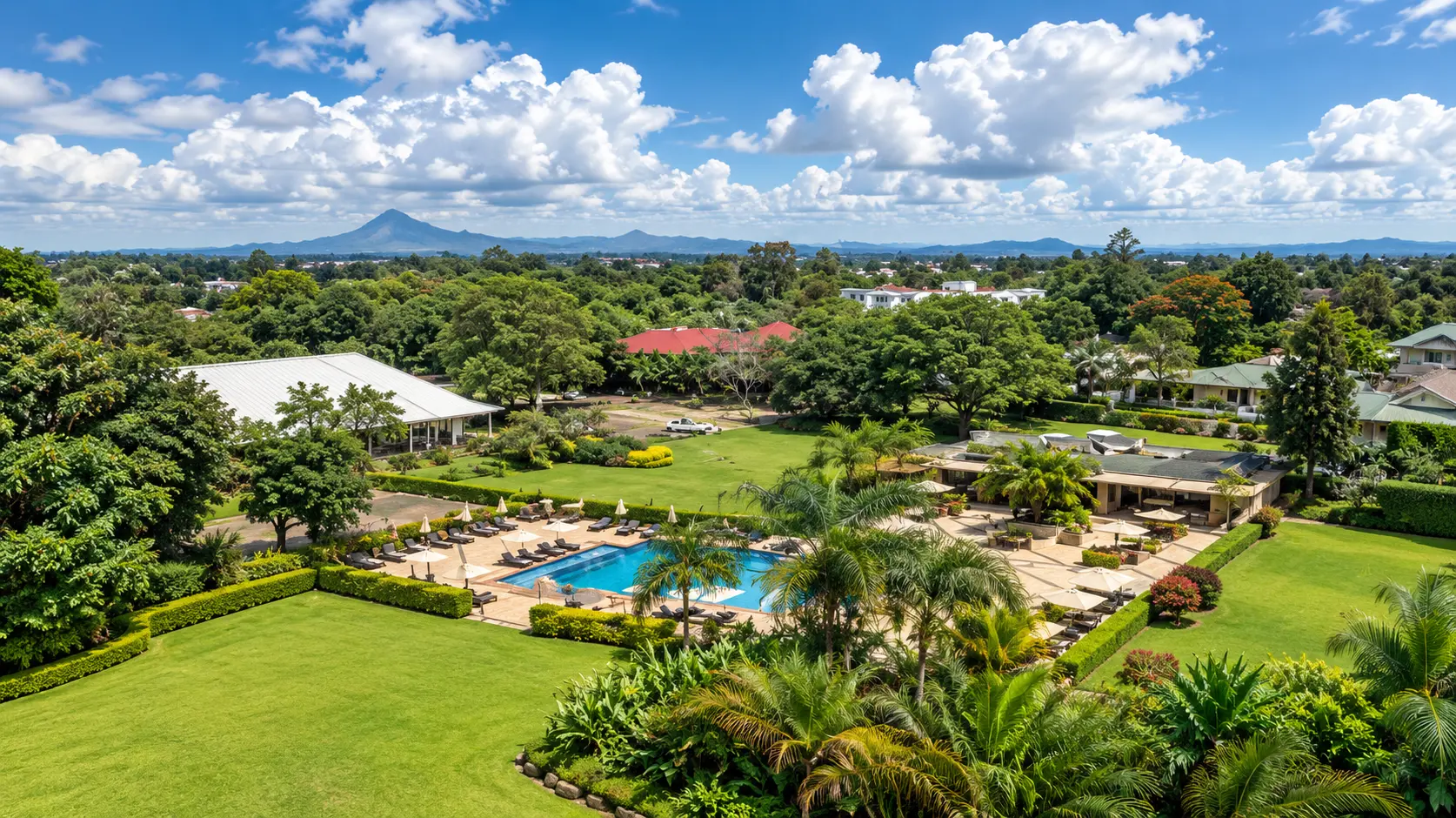
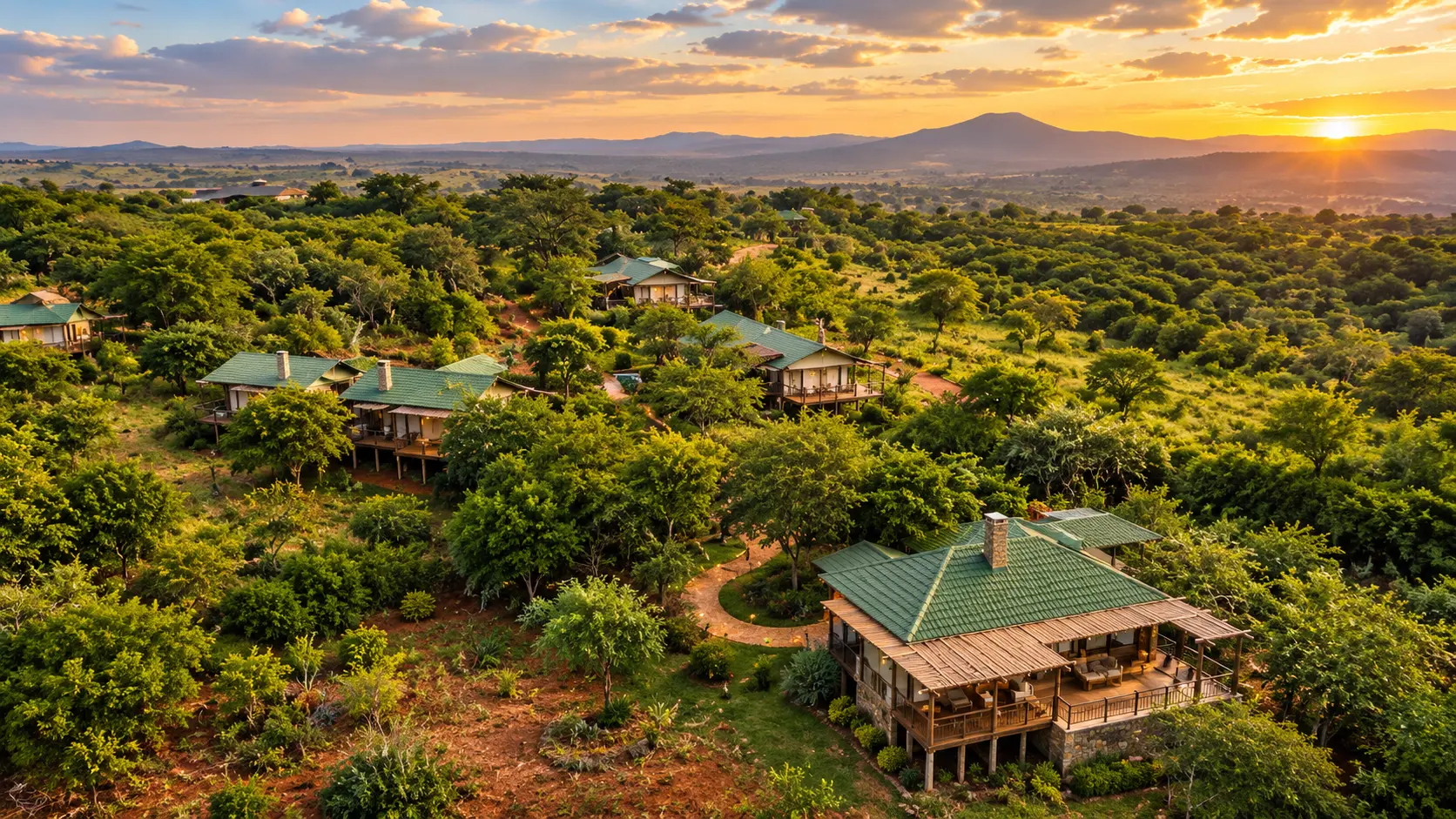
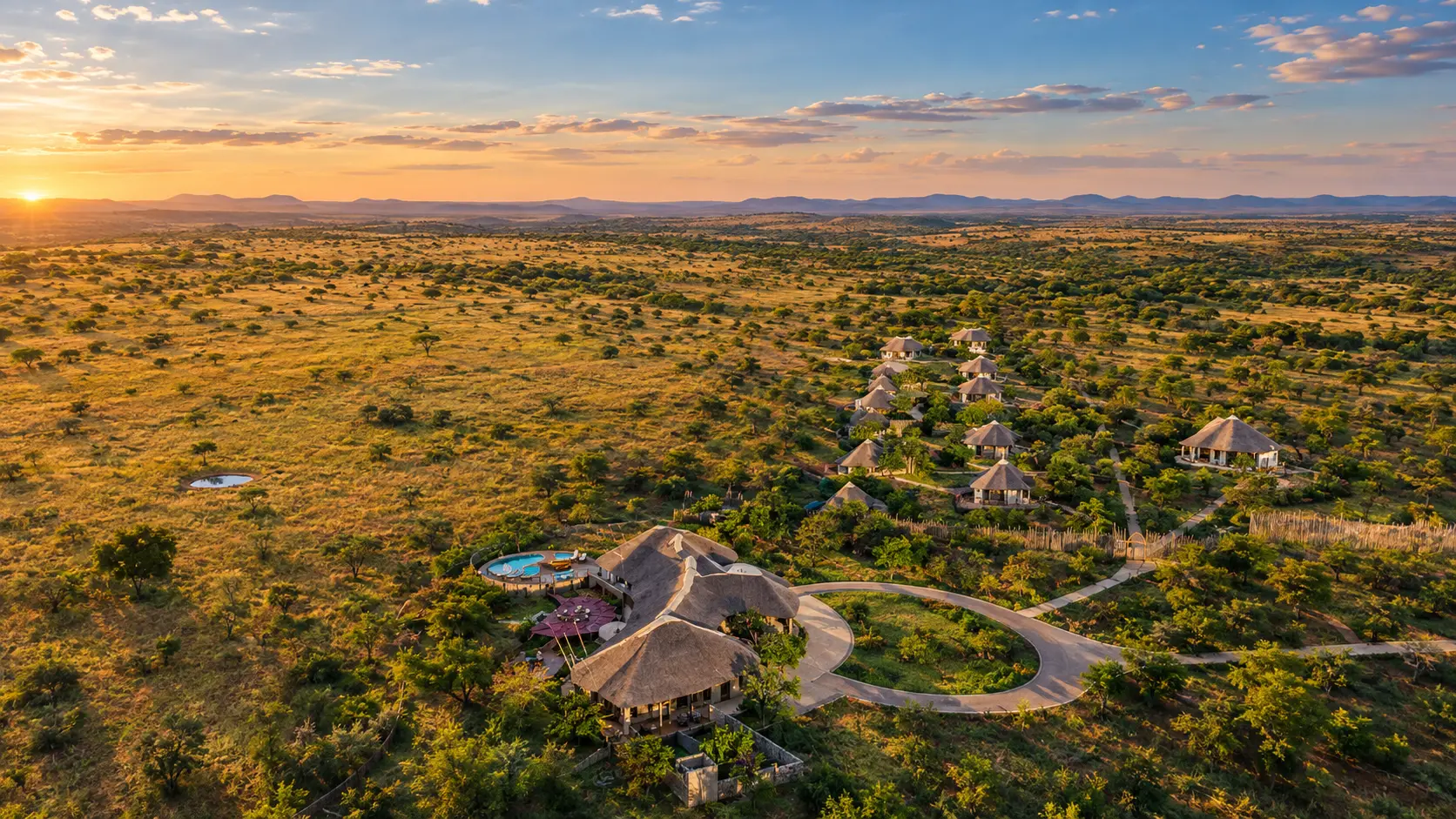
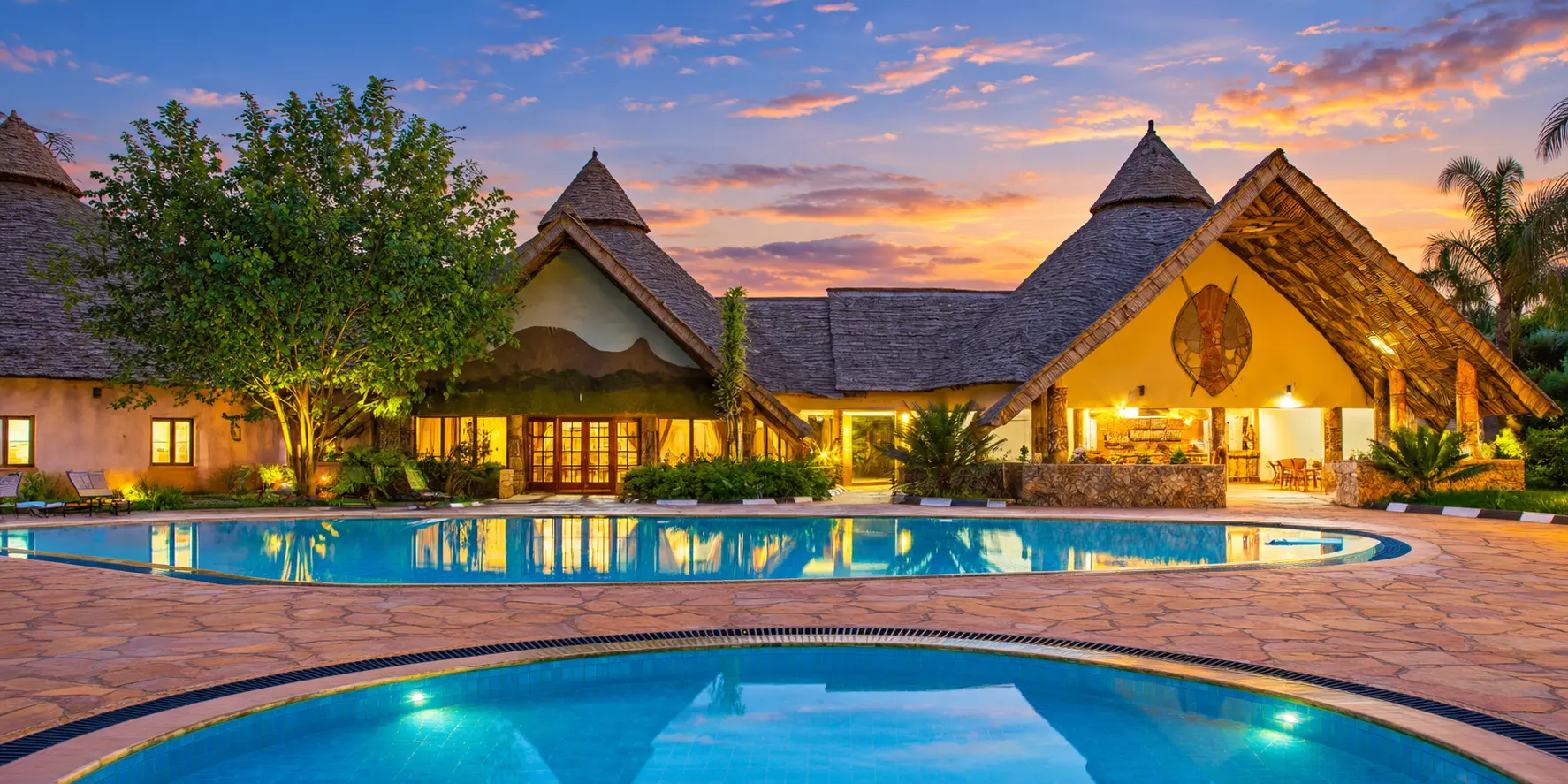
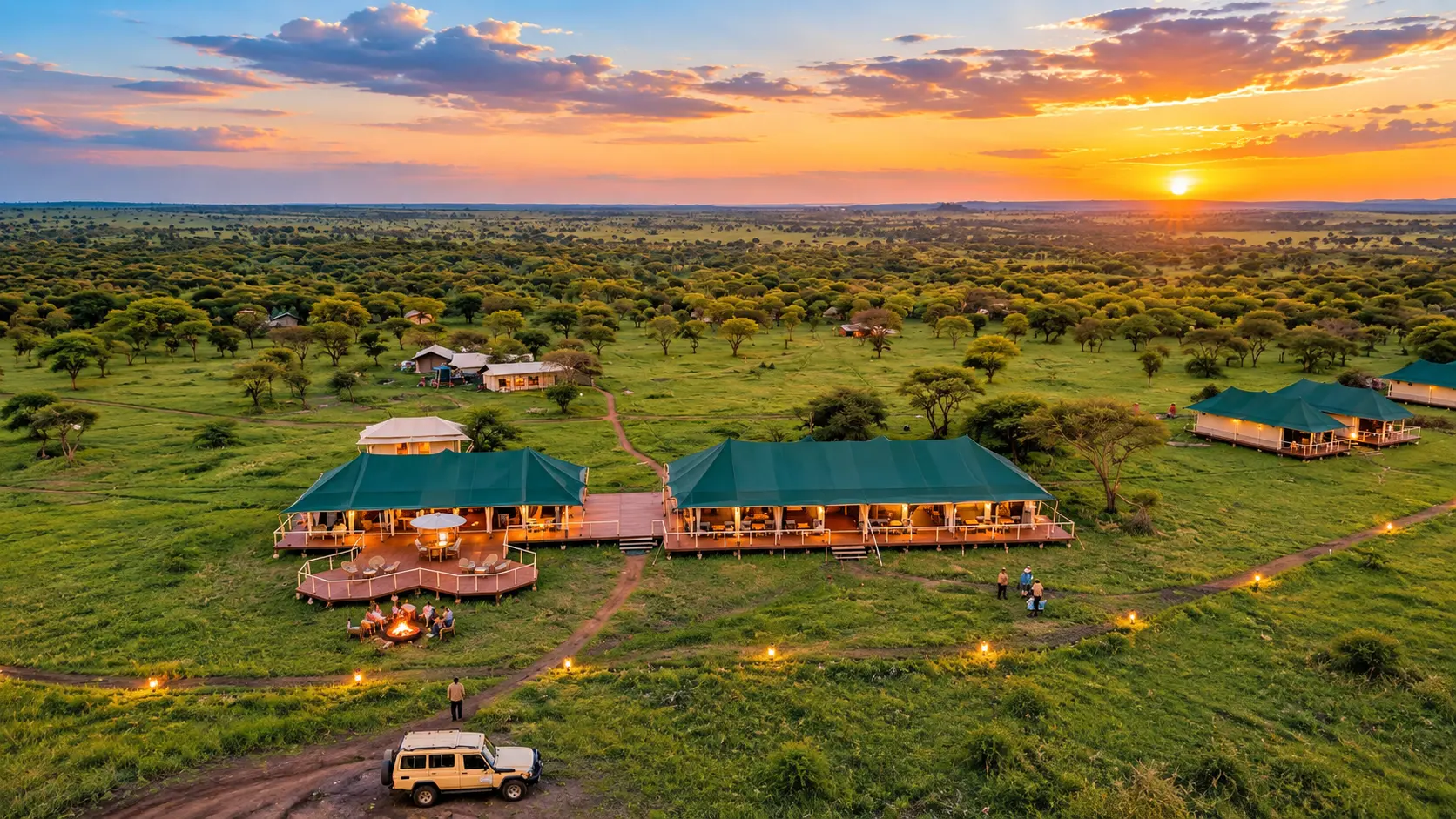
From safari lodges on the Ngorongoro rim to tented camps deep in the Serengeti — we hand-pick every stay.
FAQ
Practical answers for planning your Northern Circuit safari.
Three to four days covers Tarangire, Lake Manyara and the Ngorongoro Crater. Add two to three nights in the Serengeti for a complete Northern Circuit safari of six to eight days.
The herds move through the ecosystem year-round. Calving happens on the southern plains from roughly December to March, and the dramatic Mara River crossings in the north usually occur from July to September.
Yes — many travellers climb Kilimanjaro first and continue straight into a Northern Circuit safari, then finish with a few days on the beaches of Zanzibar.
Yes. Its short transfer times, wide choice of accommodation and reliably high wildlife density make it the easiest circuit to plan, especially for first-time visitors.
Explore the circuit
Every safari on this page runs through the Northern Circuit, from short 2-day trips to full Migration itineraries.