Habitat
Crater Floor Grasslands
Expansive open plains dominate the crater floor, home to zebras, wildebeests, lions, and other grazers. These grasslands offer exceptional game viewing throughout the year.

Tanzania • Safari Destination
Ngorongoro Crater is the world's largest inactive, intact, and unfilled volcanic caldera. Located in northern Tanzania within the Ngorongoro Conservation Area, the crater measures about 19 km in diameter and covers an area of roughly 260 square kilometers. It forms a unique, self-contained ecosystem teeming with diverse wildlife.
3.1618° S, 35.5877° E
AFRICA’S GARDEN OF EDEN
01 — Overview
Africa's Garden of Eden — a wildlife haven protected within towering walls.
Carved by a massive volcanic explosion around 2 to 3 million years ago, Ngorongoro Crater is a natural amphitheater unlike any other on Earth. Its fertile floor supports an extraordinary concentration of wildlife, including Africa's densest population of lions, rare black rhinos, and massive bull elephants.
The crater is part of the greater Ngorongoro Conservation Area, a UNESCO World Heritage Site that balances human, wildlife, and archaeological heritage. With breathtaking views from the rim and thrilling game drives across the crater floor, it offers one of the most rewarding safari experiences in Africa.
02 — Habitats
Known for its stunning beauty and dense game, Ngorongoro Crater is the best place in Tanzania to spot the Big Five in one day, including rare black rhinos.
03 — Wildlife & Birds
Ngorongoro Crater is one of the most wildlife-rich areas in Africa, hosting over 30,000 large mammals. You'll find lions, buffaloes, elephants, black rhinos, and leopards — completing the Big Five in one setting. It's also a stronghold for hyenas, jackals, serval cats, and bat-eared foxes.
Herds of zebras, wildebeests, and gazelles roam freely, while the swamps and forests offer sanctuary to hippos, elephants, and over 500 species of birds. Flamingos, crowned cranes, storks, vultures, and augur buzzards thrive here, making it a birder's paradise too.
04 — Weather
Ngorongoro's high altitude (2,200–2,400 meters on the rim) means it's cooler than other parts of Tanzania. Dry season (June to October) provides excellent visibility and game viewing, while wet season (November to May) brings lush vegetation and dramatic skies. Mornings and evenings can be chilly year-round, especially on the rim.
June to October & Mid-December to February
March to May & November to early December
05 — Location
Explore where Ngorongoro Crater sits in northern Tanzania and plan the wider circuit around it.
Ngorongoro Crater
Open in Google Maps06 — FAQ
Practical answers about location, wildlife, seasons, activities, getting there and where to stay.
A massive volcanic caldera in northern Tanzania, formed when a large volcano collapsed over two million years ago, creating a rich, enclosed ecosystem now home to a vast array of wildlife.
About 19 km (12 miles) in diameter, covering roughly 260 km² (100 sq. miles). The rim stands around 600 meters (2,000 feet) above the crater floor.
The Big Five — elephants, lions, leopards, buffaloes, and black rhinos — along with cheetahs, hyenas, jackals, wildebeests, zebras, flamingos, hippos, and over 500 bird species.
Year-round. Dry season (June–October) is best for wildlife visibility; green season (November–May) offers lush scenery and great birding. Early morning game drives are especially rewarding.
No, but it's nearby — within the Ngorongoro Conservation Area (NCA), adjacent to the Serengeti and part of the greater Serengeti ecosystem and Northern Safari Circuit.
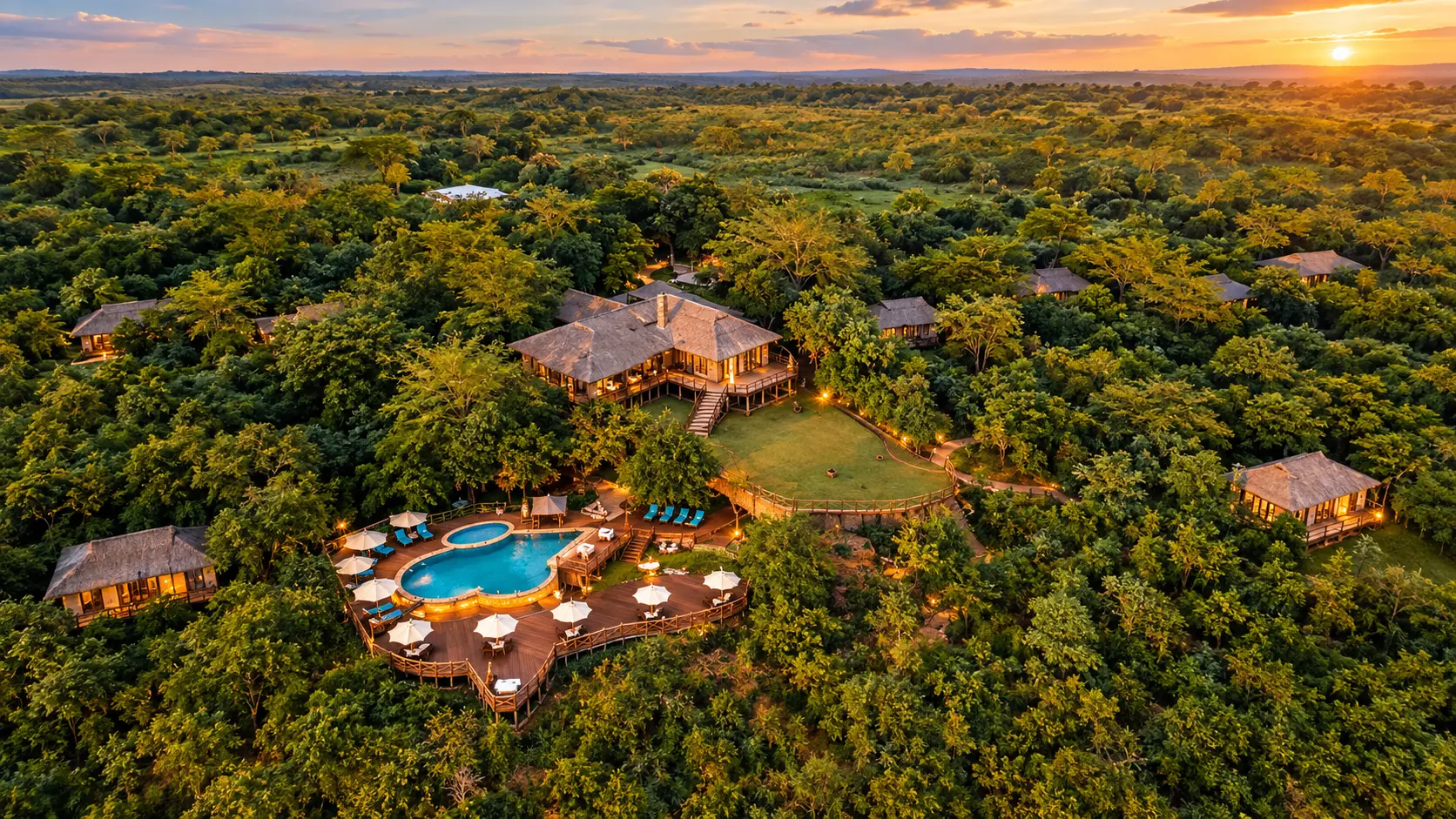
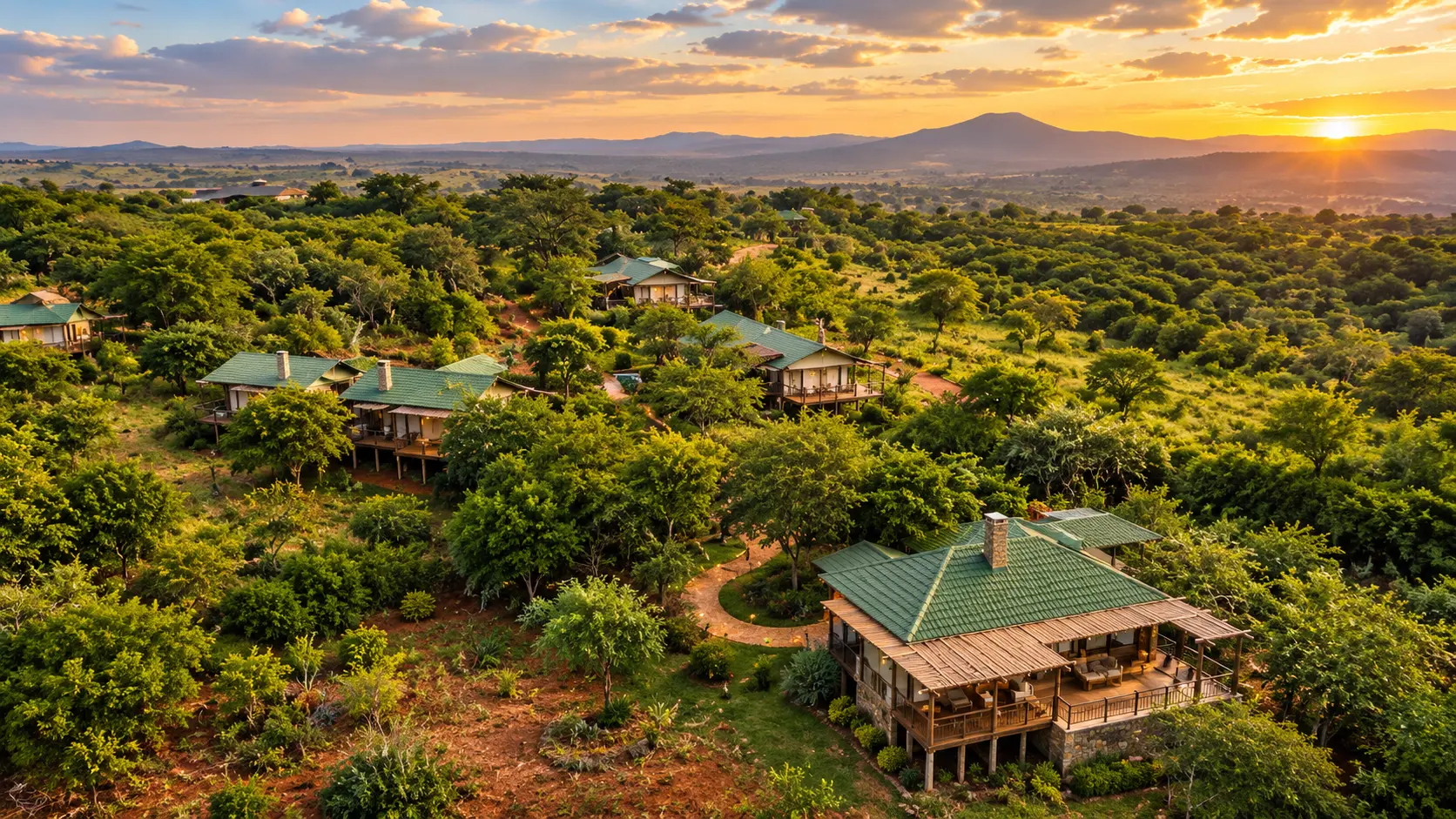
No accommodations are on the crater floor, but the rim has several lodges and campsites, including Ngorongoro Crater Lodge, Rhino Lodge, and Ngorongoro Sopa Lodge.
Yes — high game density and short driving distances make it excellent for families. Some lodges offer family rooms and kid-friendly activities.
From Arusha, it's about a 3.5–4 hour drive on well-maintained roads. You can also fly into Lake Manyara Airstrip or Seronera and connect by road; most safaris include Ngorongoro as part of a circuit.
Crater floor game drives, visits to Maasai bomas, hiking on the crater rim, and trips to nearby Empakaai, Olmoti, or the Olduvai Gorge archaeological site.
Visitors may descend into the crater once per day and must exit by 6 PM. Off-road driving and walking safaris on the floor are not permitted.
A multi-use protected area combining wildlife conservation, pastoralism, and archaeology. It spans over 8,000 km² and includes the crater, Olduvai Gorge, Empakaai, Olmoti, and parts of the Serengeti ecosystem.
Maasai pastoralists, who live in traditional villages and continue grazing livestock — their presence is integrated into conservation policy, making the NCA unique among wildlife reserves.
A world-famous archaeological site within the conservation area, known as the "Cradle of Mankind," where some of the earliest hominid fossils were discovered by the Leakey family.
Not on the crater floor, due to the density of dangerous wildlife — but guided hikes are allowed on the rim and in the surrounding highlands like Olmoti and Empakaai.
Yes — Ngoitokitok Springs is a designated picnic spot near a hippo pool, though visitors should watch for opportunistic birds and animals.
Yes — it's typically part of Tanzania's Northern Circuit, often paired with Lake Manyara, Tarangire, and Serengeti National Park.
Ngorongoro is one of the best places in East Africa to see them in the wild, though sightings can be from a distance and aren't guaranteed.
Its scenery, abundant and rare wildlife, cultural heritage, and accessible location combine for an all-in-one safari experience unmatched in Africa.
Explore the destination
Explore our Tanzania safari itineraries that include a game drive on the Ngorongoro Crater floor.
Explore Trekking Adventure
Explore Trekking Adventure (ETA) offers expertly guided treks, authentic cultural experiences, and responsible travel. With local knowledge, quality gear, and personalized service, ETA ensures safe, unforgettable journeys across East Africa.
Selected accommodation
Handpicked lodges and camps we recommend around this destination.