Skip to content
★★★★★ Rated 5.0 of 5 on Tripadvisor, based on 64 reviews
Explore Trekking Adventure

Tanzania • Trekking Destination

MountMeru

Mount Meru is a dormant stratovolcano rising within Arusha National Park, just north of Arusha city in northern Tanzania. At 4,566 meters (14,980 ft), it is Tanzania's second-highest peak after Kilimanjaro and one of the highest mountains in Africa.

3.2333° S, 36.7500° E

01 — Overview

Often called Kilimanjaro's “little brother” — shorter, quieter, and every bit as dramatic.

Its dramatic horseshoe-shaped crater — the result of a massive eruption and summit collapse — makes Mount Meru one of the most striking volcanic profiles on the continent.

Mount Meru offers a shorter, quieter, and more affordable climbing experience — typically 3–4 days versus Kilimanjaro's 5–9 — while still delivering serious high-altitude trekking through distinct vegetation zones, dramatic crater views, and close encounters with wildlife on the lower slopes. It's a popular acclimatization climb before Kilimanjaro, or a rewarding standalone adventure for trekkers who want summit views of Kilimanjaro itself.

Every trek is accompanied by an armed park ranger, since wildlife — including buffalo and giraffe — is regularly encountered on the lower forested slopes.

Summit Elevation
4,566 m (14,980 ft)
Rank
2nd highest in Tanzania; 5th in Africa
Typical Duration
3–4 days
Standard Route
Momella Route
Most Famous For
Kilimanjaro views & a dramatic ash-cone crater

02 — Route & Zones

The MomellaRoute

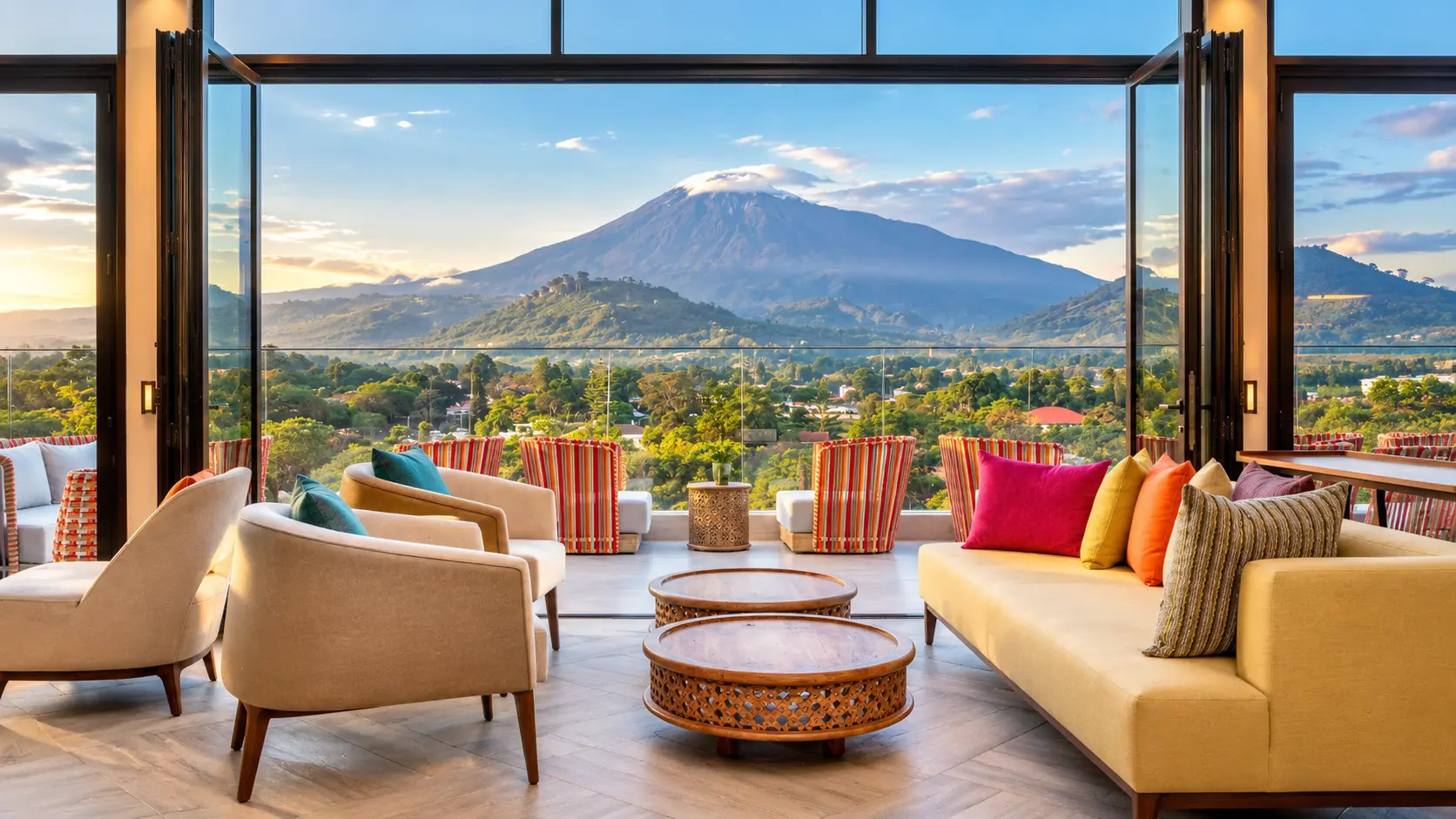
A dormant volcano within Arusha National Park, climbed via the Momella Route on a well-established hut system: Momella Gate → Miriakamba Hut → Saddle Hut → summit.

Zone

Montane Rainforest

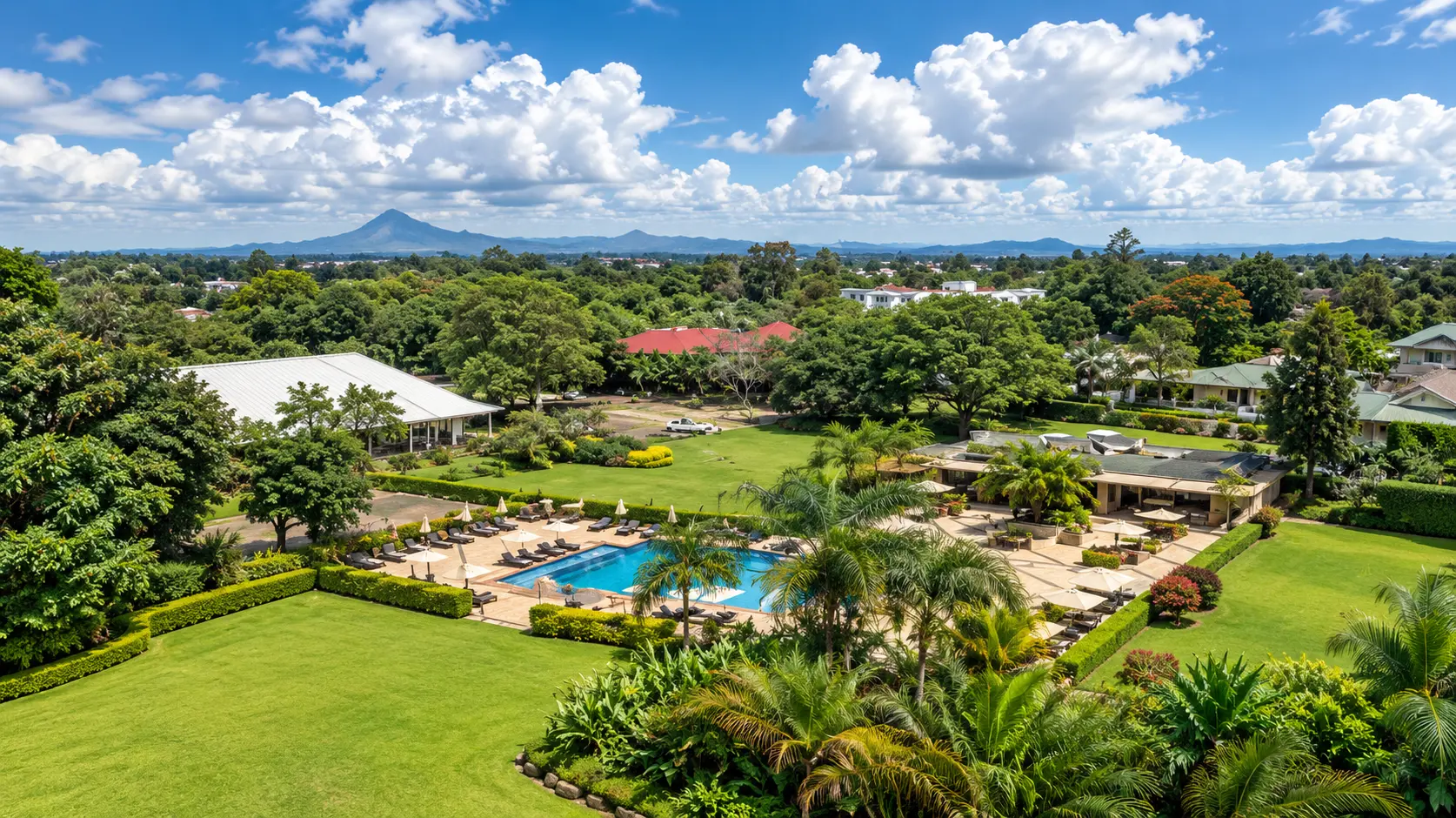
Momella Gate → Miriakamba Hut (~1,500–2,500 m). The trek begins in lush forest alive with birdlife and butterflies. A longer southern path (around 5 hours) is rich in wildlife sightings; a shorter, steeper northern path (3–4 hours) gives early views of Kilimanjaro and the Momella Lakes, with regular sightings of buffalo, giraffe, and warthog.
Zone

Heather & Moorland

Miriakamba → Saddle Hut (~2,500–3,550 m). Forest gives way to heather and moorland, with sweeping views of Kilimanjaro, the Momella Lakes, Meru's crater, and its ash cone. Buffalo, bushbuck, and black-and-white colobus monkeys are still commonly seen here.

Zone

Alpine Desert & Crater Rim

Saddle Hut → Rhino Point → Socialist Peak (~3,550–4,566 m). Vegetation thins into alpine desert as the trail follows the exposed crater rim past Rhino Point (3,821 m) to the summit. The final push is typically done overnight to reach the top for sunrise.

03 — Wildlife & Birds

Wildlife ona mountain climb

Wildlife sightings are most frequent on the lower slopes and thin out as elevation increases. Trekkers commonly encounter Cape buffalo, Maasai giraffe, warthogs, bushbuck, and black-and-white colobus monkeys, with occasional elephant sightings in the lower forest. Because of this, every trekking group is accompanied by an armed ranger.

Birdlife is abundant in the forest zone, including Hartlaub's turaco, white-fronted bee-eaters, fiscal shrikes, tropical boubous, stonechats, variable sunbirds, and olive pigeons. The lower trail is also known for its butterflies, including the Mocker swallowtail and golden-winged forester.

04 — Weather

Mount Meruweather

Mount Meru's climate shifts dramatically with altitude, from warm rainforest at the base to freezing conditions near the summit. The dry season (June to October, plus mid-December to February) offers the clearest skies and best summit visibility. The wet season (March to May, and November) brings lush vegetation lower down but can make the upper slopes colder, wetter, and more challenging. Whatever the season, nights at Saddle Hut (3,550 m) and above are cold, and the final summit push before dawn requires proper cold-weather gear.

Dry Season

June to October & Mid-December to February

Wet Season

March to May & November

05 — Location

Mount MeruMap

Explore where Mount Meru sits in northern Tanzania and plan the wider circuit around it.

Mount Meru

Open in Google Maps

More Facts

More aboutMount Meru

A serious summit in its own right — and the best warm-up for Kilimanjaro.

  1. 01

    The "Little Brother" of Kilimanjaro

    Mount Meru is often climbed as a shorter, quieter alternative or a warm-up trek before attempting Kilimanjaro.

  2. 02

    A Dramatic Crater

    Meru's horseshoe-shaped caldera, roughly 3.5 km wide, formed when a massive eruption blew out the mountain's eastern flank — leaving the ash cone visible from the crater rim today.

  3. 03

    Summit Name

    The peak is officially known as Socialist Peak.

  4. 04

    Distinct Vegetation Zones

    The trek passes through montane rainforest, heather and moorland, and alpine desert in just a few days — a compressed version of the ecological zones found on Kilimanjaro.

  5. 05

    Wildlife on a Mountain Climb

    Unlike Kilimanjaro, Mount Meru's lower slopes run through Arusha National Park itself, meaning trekkers are escorted by an armed ranger due to regular wildlife encounters.

06 — FAQ

Mount MeruFAQs

Practical answers about location, wildlife, seasons, activities, getting there and where to stay.

Frequently asked questions

Where is Mount Meru located?

Within Arusha National Park, just north of Arusha city in northern Tanzania, about 70 km west of Mount Kilimanjaro.

How tall is Mount Meru?

4,566 meters (14,980 ft) — Tanzania's second-highest peak and one of the highest in Africa.

How long does the trek take?

Typically 3–4 days via the Momella Route, with 4 days recommended for better acclimatization.

Is Mount Meru a good warm-up for Kilimanjaro?

Yes — it's widely used as an acclimatization climb before attempting Kilimanjaro, while also being a rewarding trek in its own right.

Do I need a guide and ranger?

Yes — all treks are led by a registered guide and accompanied by an armed park ranger, since wildlife encounters are common on the lower slopes.

What wildlife might I see?

Buffalo, giraffe, warthogs, bushbuck, black-and-white colobus monkeys, and occasionally elephants in the lower forest zones, along with abundant birdlife.

How difficult is the climb?

Moderately challenging — steep sections and high altitude, but generally considered more accessible than Kilimanjaro, with a shorter, steeper summit push on the final night.

When is the best time to climb?

The dry seasons (June–October and mid-December–February) offer the clearest skies and best views, including of Kilimanjaro from the summit.

What's the route to the summit called?

The Momella Route — the standard and only maintained trekking route, running from Momella Gate through Miriakamba and Saddle Huts to the summit, Socialist Peak.

Can I see Kilimanjaro from the summit?

Yes — on clear days, particularly during the dry season, Kilimanjaro is visible from Mount Meru's summit and from several points along the route.

Where do trekkers sleep along the route?

In mountain huts — Miriakamba Hut (2,500 m) and Saddle Hut (3,550 m) — rather than tents.

What is Little Meru?

A subsidiary peak (around 3,820–3,850 m) near Saddle Hut, often climbed as a short acclimatization hike the day before the main summit push.

Is Mount Meru volcanically active?

It's classified as dormant. Its last recorded eruption was a minor event in 1910.

What should I pack?

Warm layers for the summit push, waterproof clothing, sturdy hiking boots, a headlamp, gloves, and a warm hat — nighttime temperatures near the summit can drop well below freezing.

Can Mount Meru be combined with a safari?

Yes — Arusha National Park itself offers walking safaris and canoeing, and the climb pairs naturally with a broader Northern Circuit itinerary.

Explore the destination

Mount Meru Climbing Deals

Our Mount Meru treks, on their own or as the perfect acclimatization before Kilimanjaro.

Explore Trekking Adventure

Why ETA?

Explore Trekking Adventure (ETA) offers expertly guided treks, authentic cultural experiences, and responsible travel. With local knowledge, quality gear, and personalized service, ETA ensures safe, unforgettable journeys across East Africa.

Selected accommodation

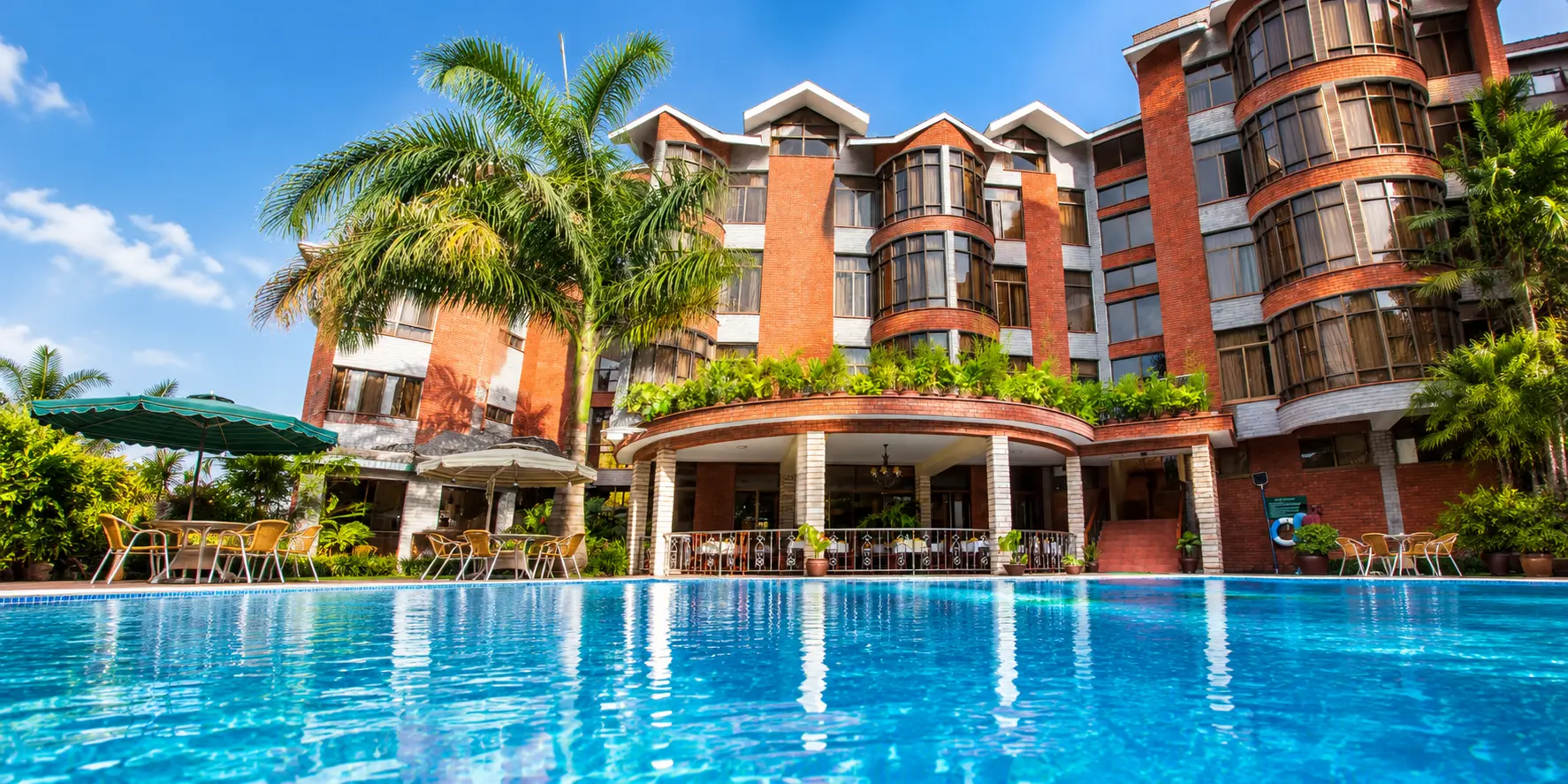
Where to stay before your Meru climb

Handpicked lodges and camps we recommend around this destination.