Habitat
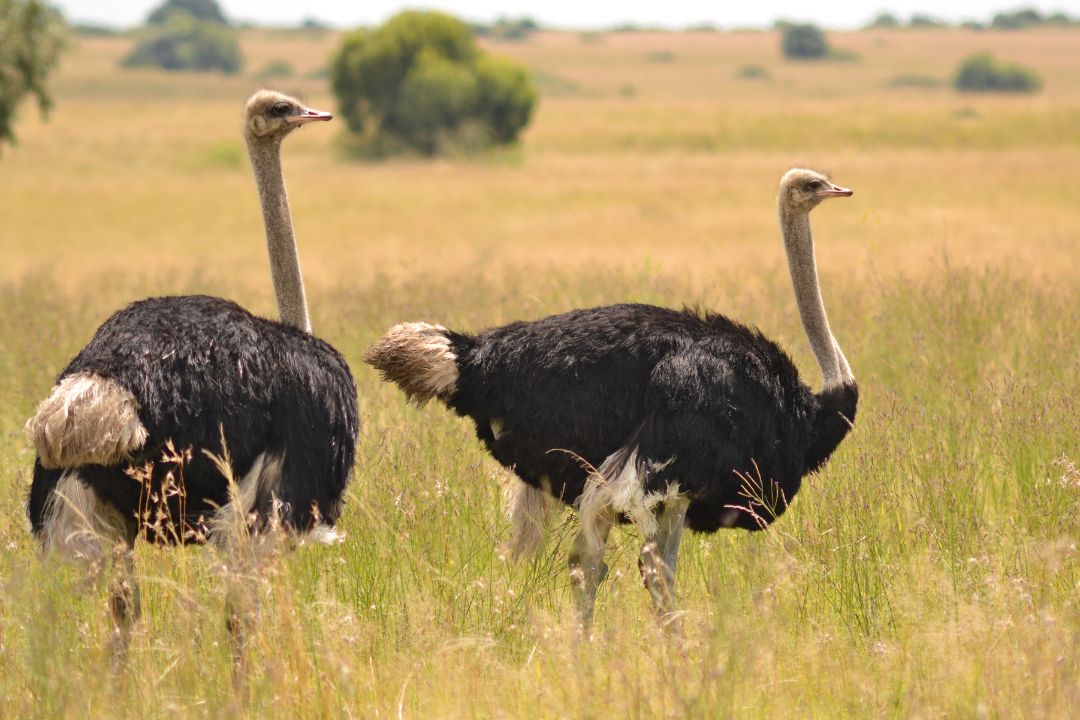
Grassland Plains
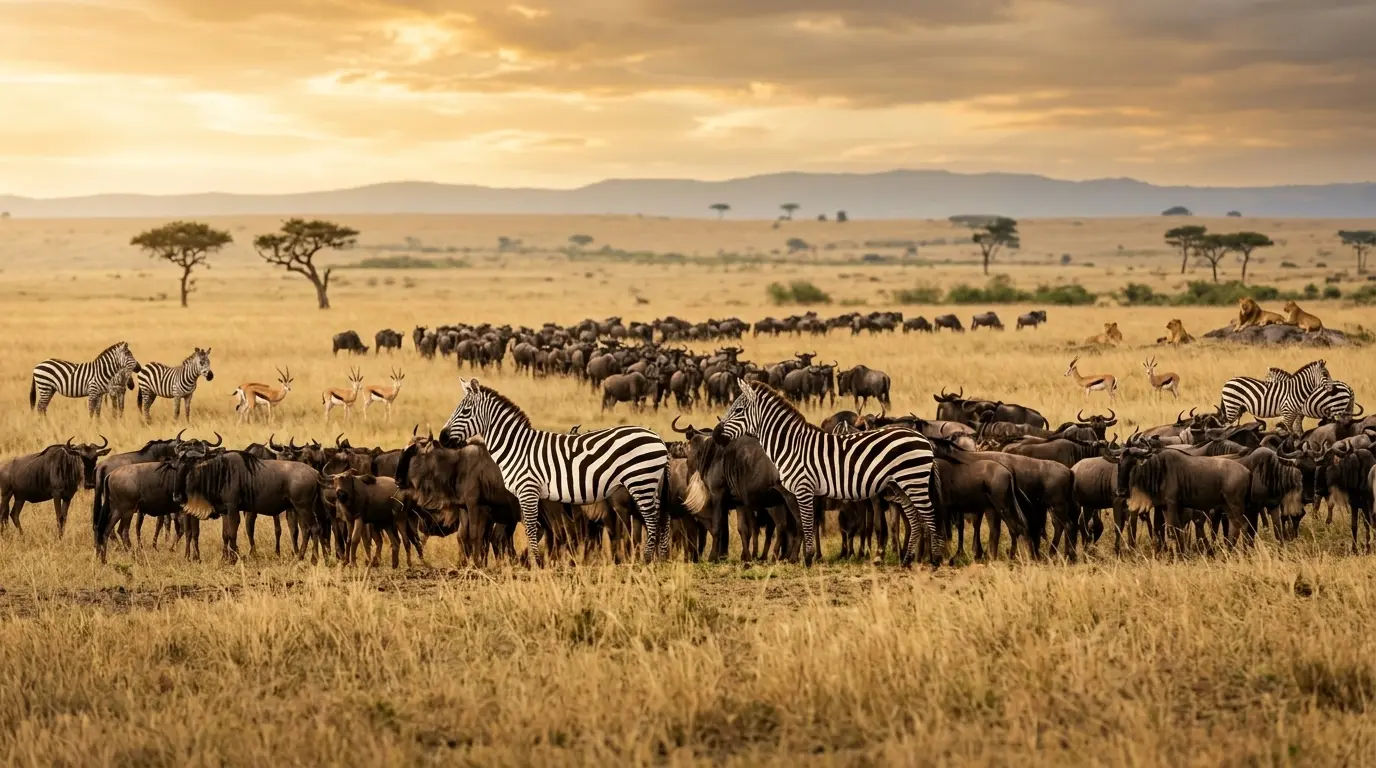
Endless open savannahs ideal for wildebeests, zebras, and predators—especially during calving and migration seasons.

Tanzania • Safari Destination
Serengeti National Park, covering more than 14,750 square kilometers in northern Tanzania and bordering Kenya’s Maasai Mara, is one of the most iconic safari destinations in the world. Famous for its expansive savannahs, the park is especially celebrated for the spectacular wildlife migrations that draw visitors from across the globe.
2.3333° S, 34.8333° E
THE ENDLESS PLAINS
01 — Overview
Africa’s raw beauty, unfolding across one of the world’s great wildlife theatres.
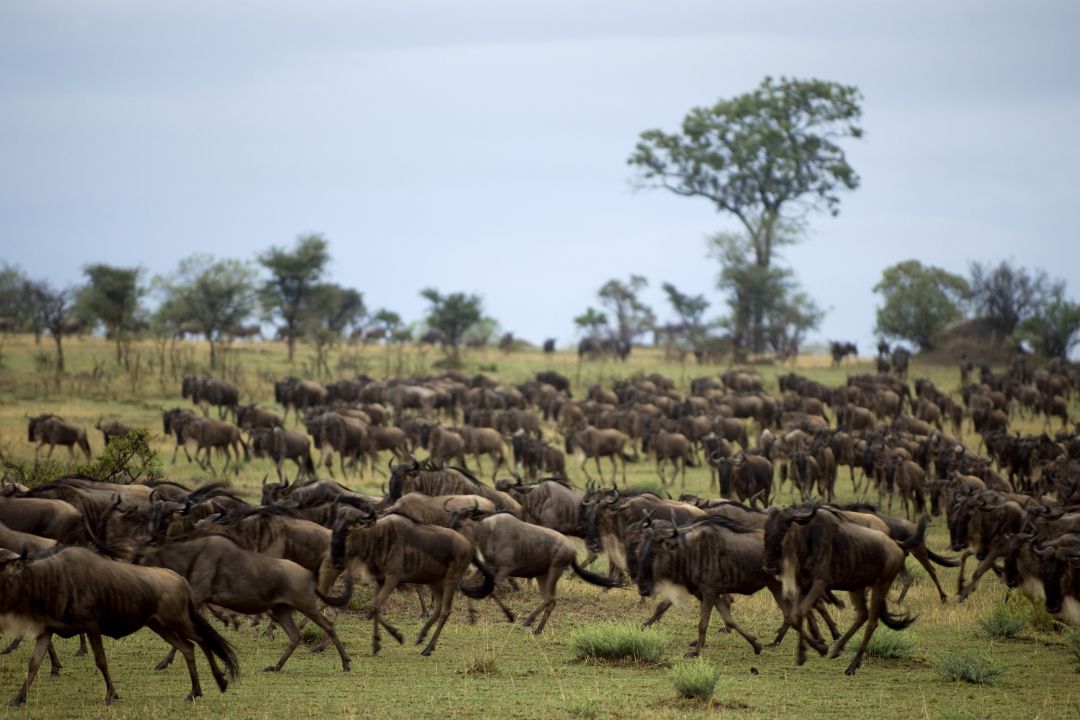
Serengeti National Park stands as a symbol of Africa’s raw beauty and unmatched wildlife spectacles. Notably, it is world-famous for the Great Wildebeest Migration, during which millions of animals thunder across the plains in search of greener pastures. Indeed, this annual journey is one of nature’s most remarkable events, as it attracts predators and awe-struck visitors who come to witness survival, movement, and balance in one of Earth’s last natural theaters. Consequently, the Serengeti remains a bucket-list destination for wildlife enthusiasts and photographers alike.
Aside from the migration, Serengeti National Park offers an exceptional safari experience throughout the year. In addition, home to the Big Five and countless other species, it delivers thrilling encounters with lions, leopards, elephants, and more. Moreover, its rich birdlife, scenic landscapes, and open savannahs make it ideal for photography and exploration. Whether on a game drive, balloon safari, or cultural visit, each moment in the Serengeti promises unforgettable adventure and discovery.
02 — Habitats
A vast grassland, dotted with spreading acacias and rocky outcrops, forms the backdrop for endless wildlife encounters. Indeed, thousands of wildebeest, zebra, and other plains game stretch as far as the eye can see. Meanwhile, predators stalk their prey across the open plains, singling out the young, the weak, and the slow. Together, these elements ensure that the Serengeti delivers a quintessentially African safari experience.
Habitat
Endless open savannahs ideal for wildebeests, zebras, and predators—especially during calving and migration seasons.
Habitat
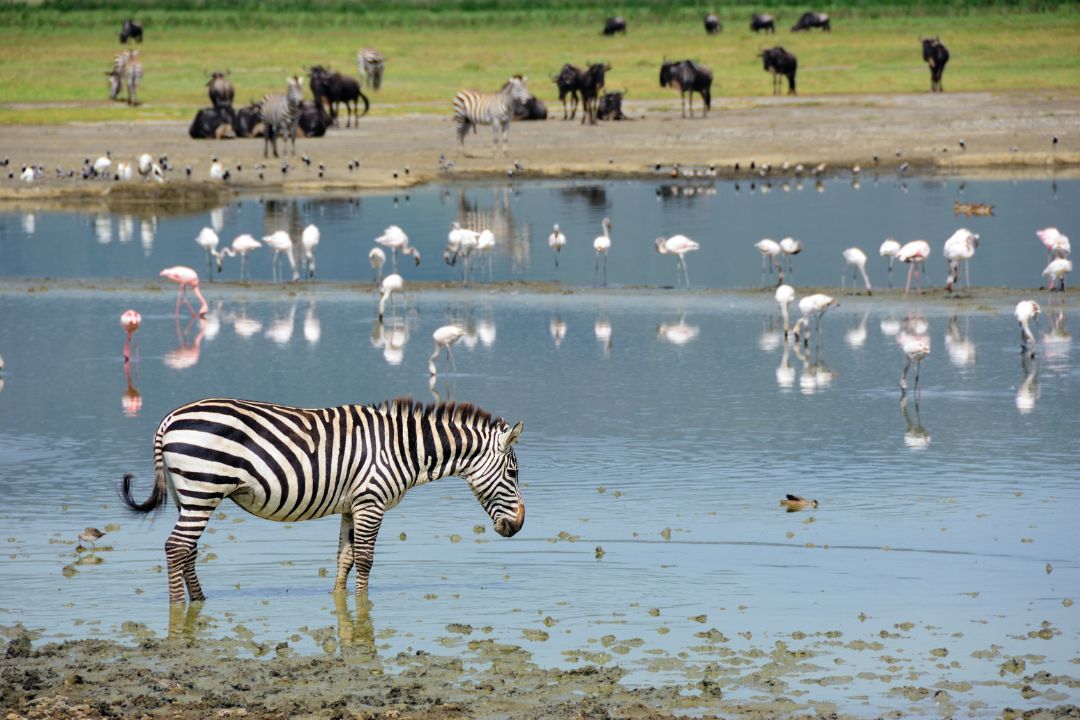
Lush, tree-lined riverbanks supporting elephants, hippos, birds, and monkeys near the Grumeti and Mara rivers.
Habitat
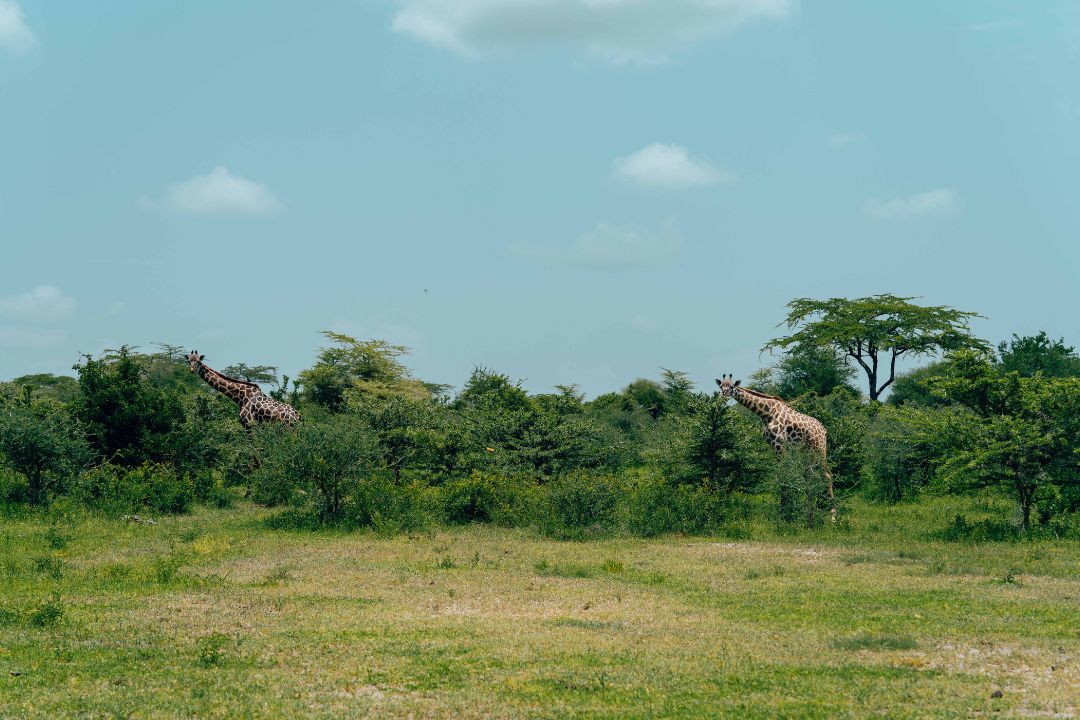
Acacia and combretum woodlands provide shelter for giraffes, elephants, leopards, and a variety of birds.
Habitat
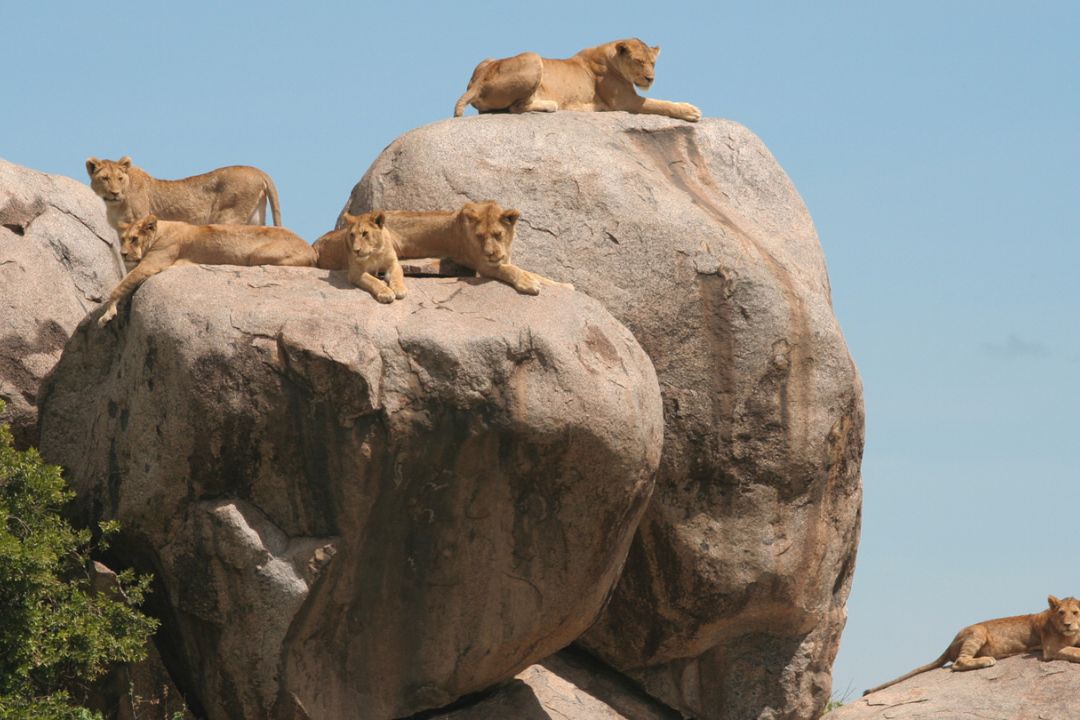
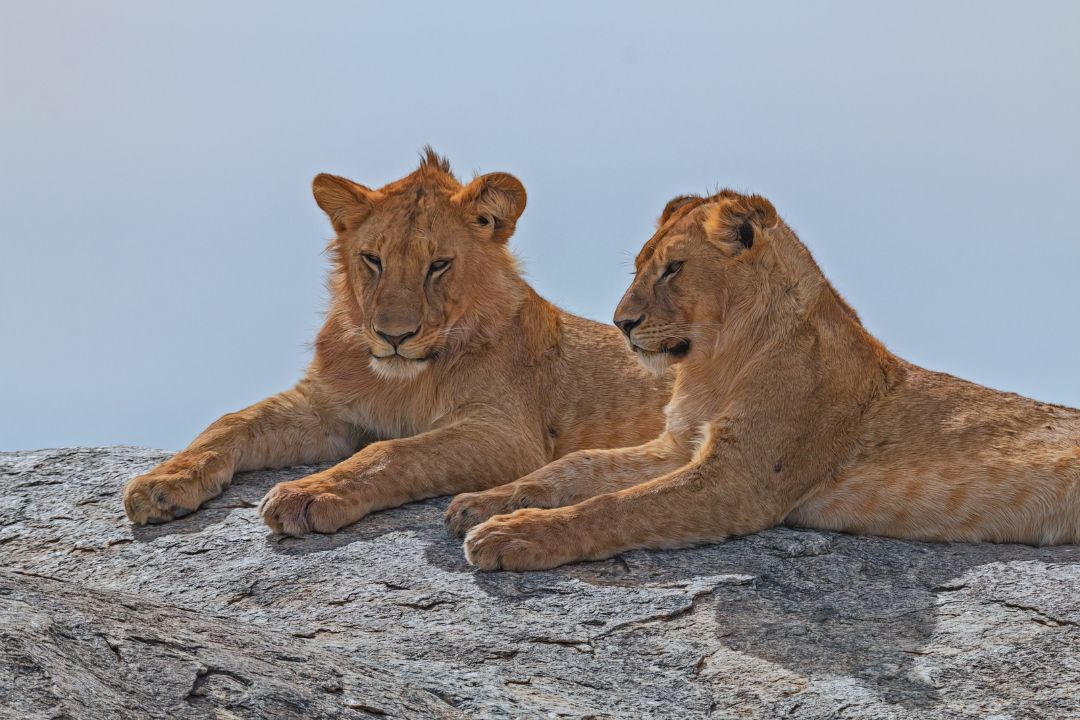
Granite rock formations offering refuge for lions, hyraxes, and reptiles, often used as lookout points by predators.
03 — Wildlife & Birds
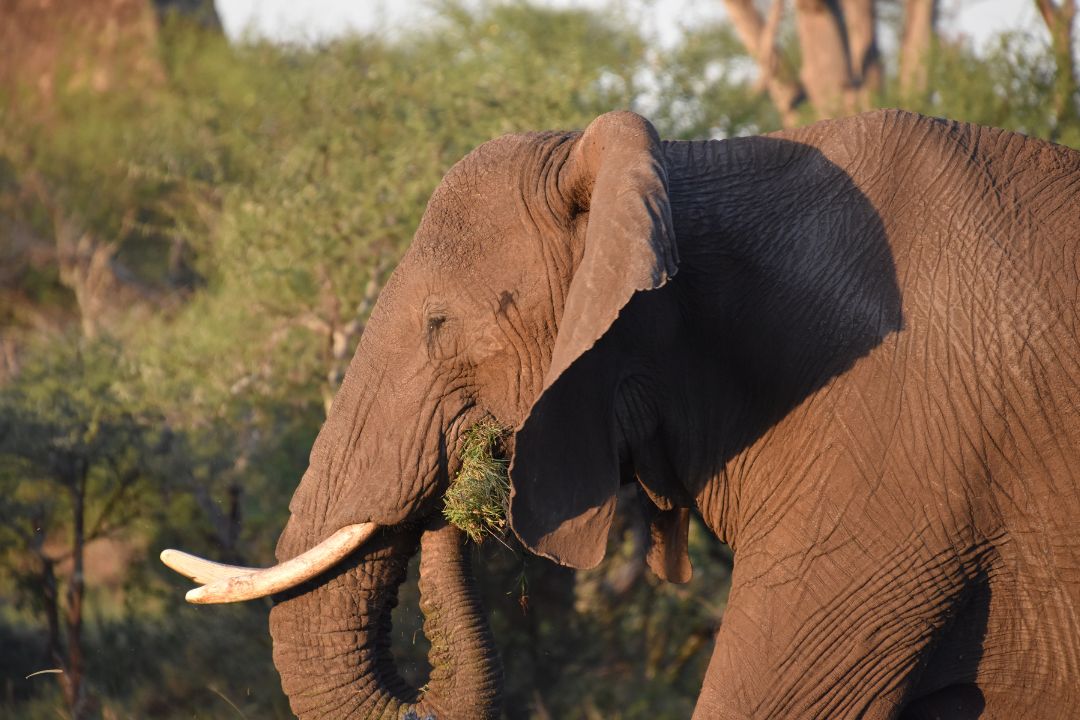
Serengeti National Park is home to one of the richest concentrations of wildlife in the world. From massive herds of wildebeests and zebras to stealthy predators like lions, leopards, and cheetahs, the park consistently offers unforgettable encounters. Additionally, visitors can spot elephants roaming the plains, giraffes browsing treetops, and crocodiles lurking in rivers—making every game drive a thrilling experience.
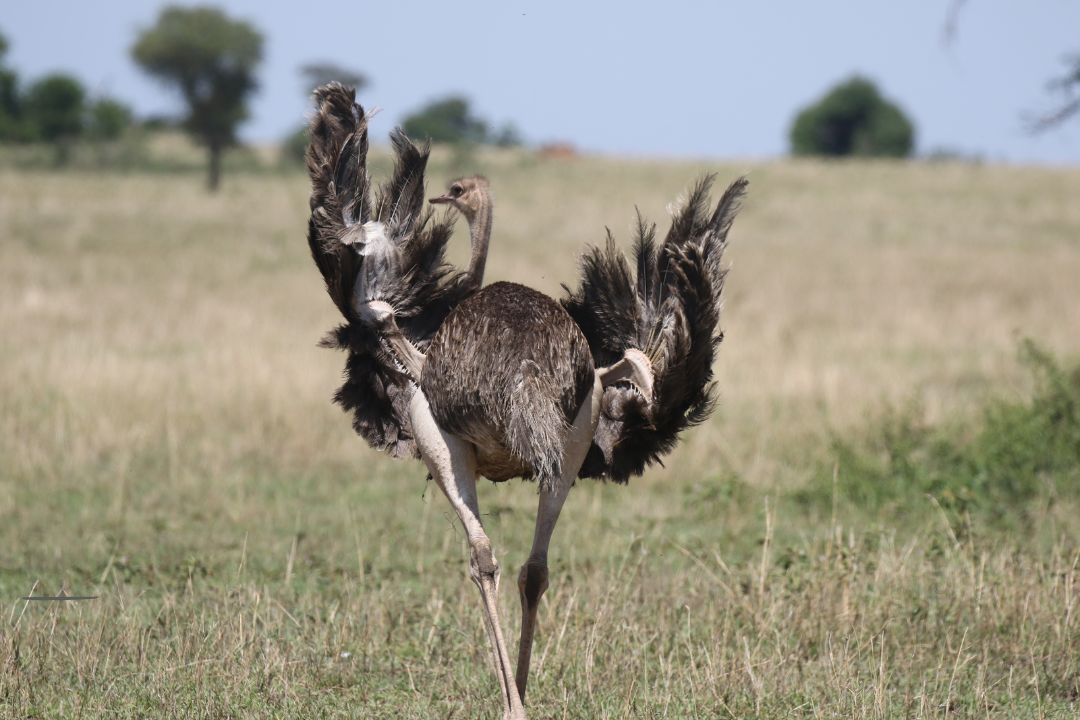
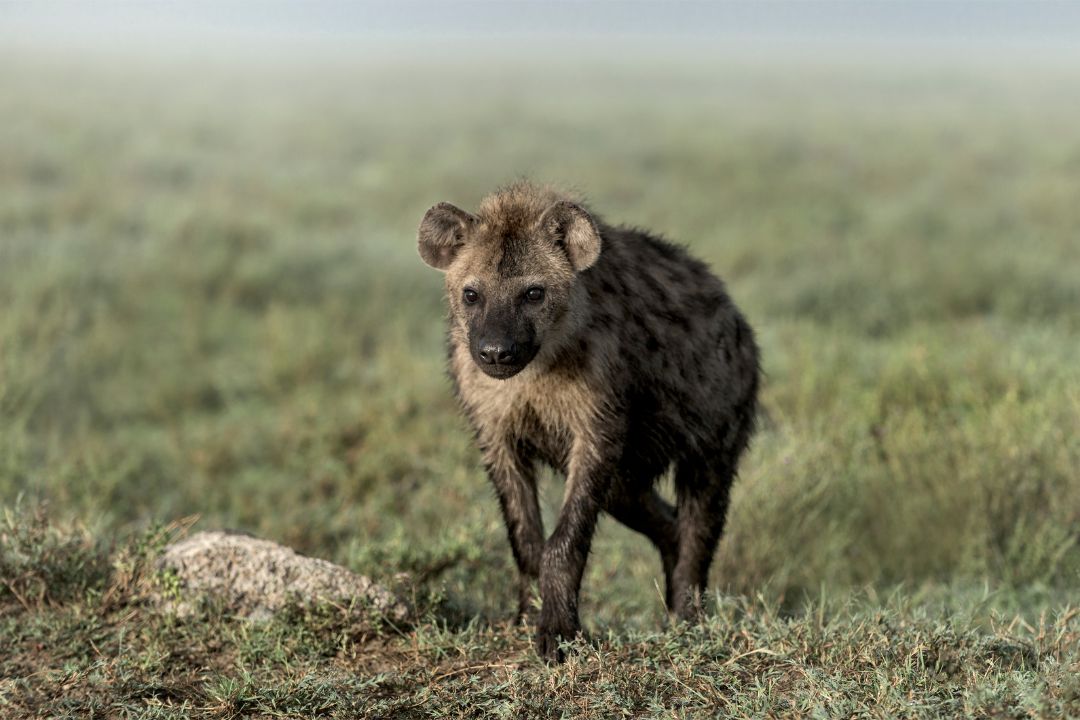
Moreover, the Serengeti supports over 500 species of birds, including ostriches, vultures, eagles, and colorful bee-eaters. Meanwhile, smaller animals such as hyraxes, mongoose, jackals, and servals also thrive here. Whether you're a first-time visitor or a seasoned wildlife enthusiast, the Serengeti promises awe-inspiring sightings and a deep connection with nature.
04 — Weather
Serengeti National Park experiences a generally warm and pleasant climate year-round, which makes it a great destination in any season. During the dry seasons, from June to October and mid-December to February, conditions are ideal for wildlife viewing, as animals gather near water sources. In contrast, the wet seasons, from March to May (long rains) and November to early December (short rains), bring lush landscapes and excellent birdwatching opportunities, although some areas may become less accessible.
June to October & Mid-December to February
March to May & November to early December
05 — Location
Explore the destination’s position in northern Tanzania and plan the wider safari circuit around the Serengeti.
Serengeti National Park
Open in Google MapsThe Great Wildebeest Migration
The migration occurs throughout the year, with different stages visible across the Serengeti depending on rainfall, grazing and the movement of the herds.
Jan — Mar
Ndutu calving season, when the southern plains become a major focus of the annual cycle.
Apr — Jul
Grumeti region and the western corridor become important areas as the herds continue their movement.
Aug — Oct
Kogatende & Lamai are associated with the dramatic Mara River crossing period.
Nov — Dec
Seronera and central areas feature in the continuing annual movement of the herds.
More Facts
From migration and wildlife to balloon flights and cultural encounters, Serengeti offers multiple ways to experience its landscapes.
One of the most spectacular wildlife events in the world, the Great Migration sees millions of wildebeests, zebras, and gazelles moving across the Serengeti and into Kenya’s Masai Mara in search of fresh grazing grounds. Along the way, they are accompanied by predators like lions, crocodiles, and hyenas.
Serengeti is home to the "Big Five" (lion, leopard, elephant, buffalo, and rhinoceros), along with cheetahs, giraffes, hippos, crocodiles, and hundreds of bird species. Its ecosystems, from savannahs to riverine forests, host a wide array of creatures year-round.
Serengeti’s name means “endless plains” in the Maasai language, perfectly capturing its vast, sweeping landscapes that stretch as far as the eye can see. The park features rolling hills, rocky outcrops (kopjes), and the Seronera River that supports a rich mix of wildlife.
For a truly unique perspective, visitors can take to the skies in a hot air balloon, offering panoramic views of the Serengeti at sunrise. The flight provides a bird’s-eye view of the wildlife and the expansive landscape below.
Travelers can experience Maasai culture through visits to Maasai villages, gaining insight into their traditions, lifestyle, and customs that have remained unchanged for centuries.
06 — FAQ
Find practical information about location, wildlife, safety, seasons, safari activities, transport, packing and accommodation.
Serengeti National Park is located in northern Tanzania, within the Mara and Simiyu regions, and shares its northern border with Kenya’s Maasai Mara National Reserve. As part of the greater Serengeti ecosystem, it is one of East Africa’s most celebrated safari destinations, accessible from Arusha, Kilimanjaro International Airport, and other popular tourism hubs.
Covering approximately 14,750 square kilometers, Serengeti National Park is one of Africa’s largest and most iconic wildlife conservation areas. Its vast plains, woodlands, and river systems provide habitats for thousands of animal species, making it ideal for big game safaris, nature photography, and birdwatching.
The Serengeti is best known for the Great Wildebeest Migration, where over 1.5 million wildebeests and hundreds of thousands of zebras and gazelles cross the plains in search of greener pastures. Additionally, it is renowned for its dense predator population, including lions, cheetahs, leopards, and hyenas, making it one of the top safari destinations for witnessing dramatic wildlife encounters.
Serengeti National Park is home to a remarkable range of wildlife, including the Big Five—lions, leopards, elephants, buffaloes, and rhinos—alongside cheetahs, giraffes, hippos, crocodiles, and more. Furthermore, over 350 mammal species and 500+ bird species make the park a paradise for nature lovers and photographers alike.
Yes, Serengeti is considered a very safe destination for tourists. By traveling with a licensed tour operator, visitors benefit from professional guidance and strict adherence to park regulations. Wildlife is wild and should always be respected, but your guide ensures safety by following designated routes and established protocols.
Serengeti can be visited year-round, depending on what you want to experience. During the dry season (June to October), game viewing is ideal as animals gather near water sources, while the wet season (March to May) brings lush green landscapes and migratory birds. Moreover, the migration’s calving season occurs from January to March in the southern plains.
Visitors can enjoy a variety of safari experiences, including morning and evening game drives, hot air balloon safaris, walking safaris in designated areas, photographic safaris, and cultural tours to nearby Maasai communities. Each option offers a unique way to explore the Serengeti's rich landscapes and wildlife.
Travelers can reach Serengeti by domestic flights to airstrips such as Seronera, Kogatende, and Grumeti from Arusha, Zanzibar, or Kilimanjaro Airport. Alternatively, overland journeys take 7–8 hours from Arusha and can be paired with visits to Ngorongoro Crater or Lake Manyara along the way.
Pack light, breathable clothing in neutral colors, a wide-brim hat, sunglasses, sunscreen, insect repellent, a reusable water bottle, and a good camera with extra batteries. Additionally, binoculars are highly recommended for game viewing, and a small medical kit is useful for personal needs.
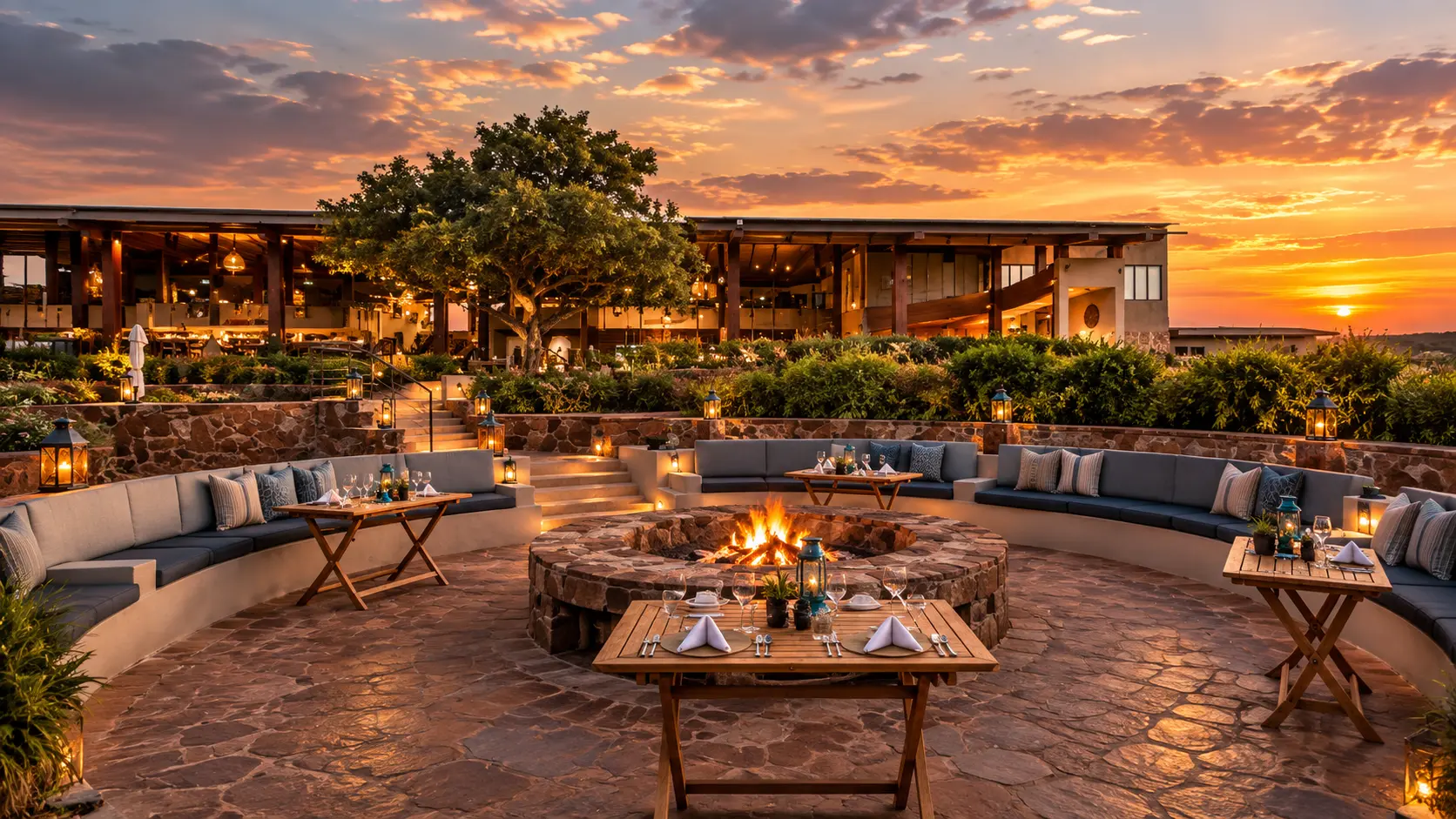
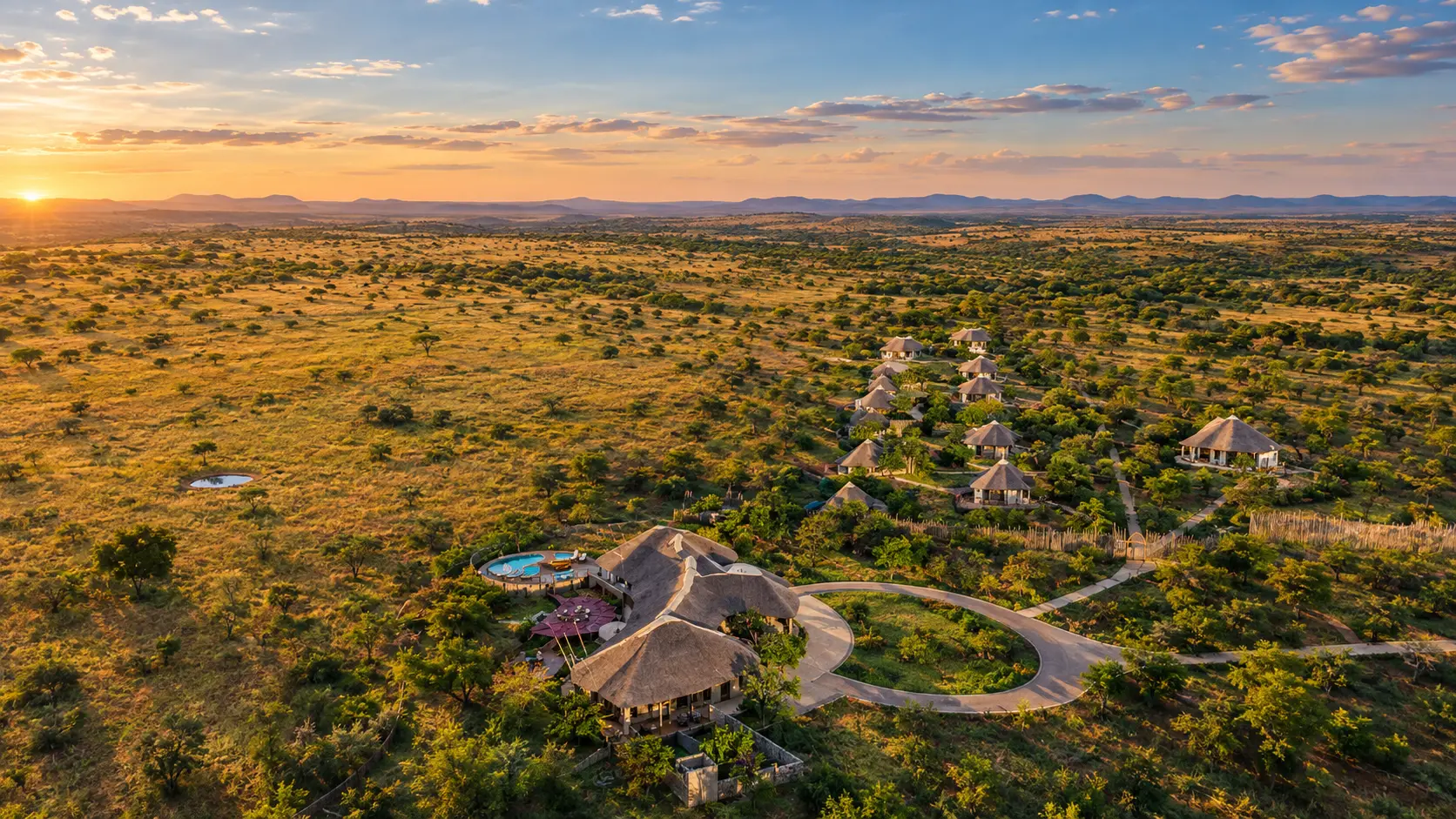
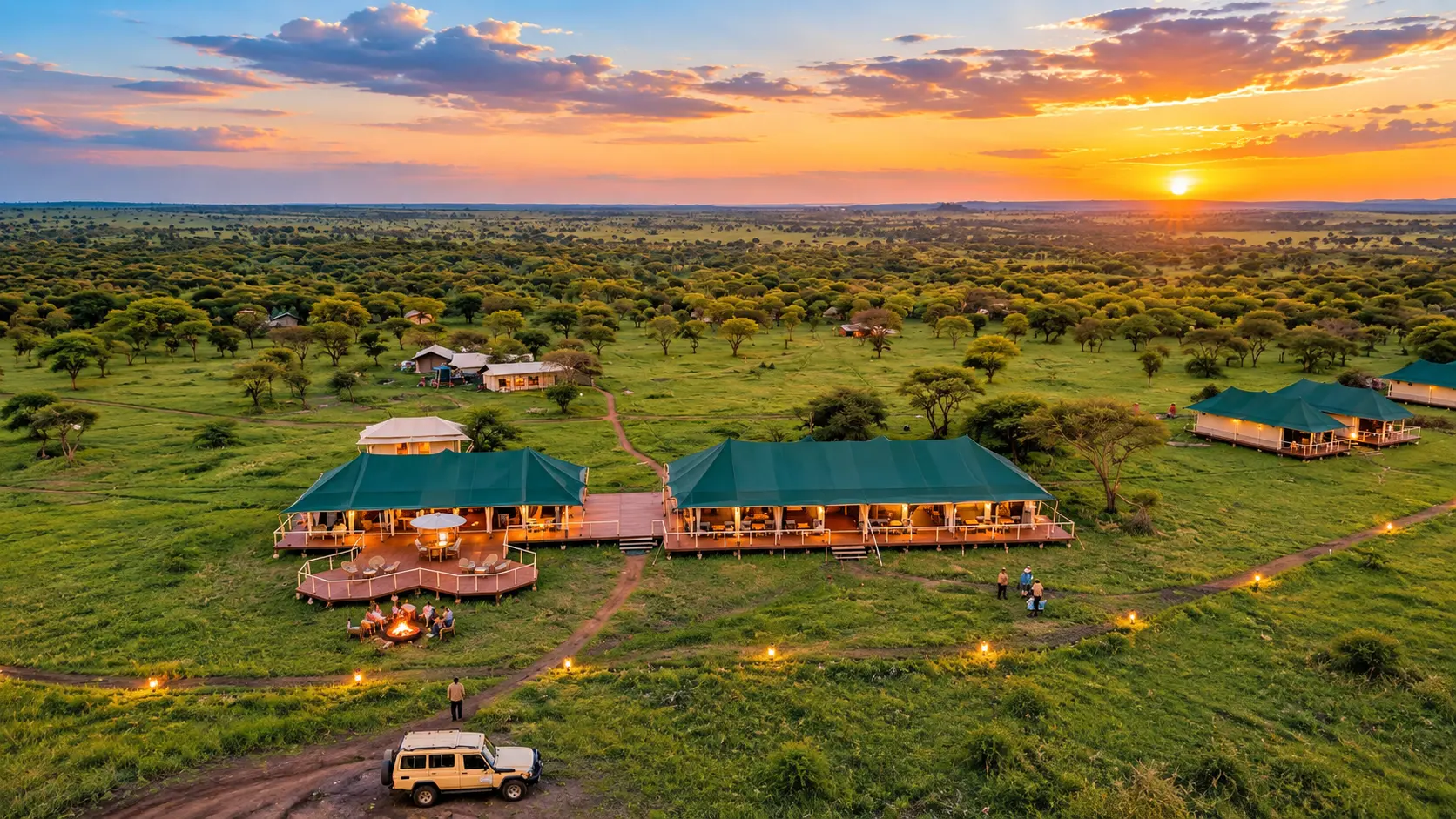
Yes, Serengeti offers a wide range of accommodations, ranging from luxury lodges and tented camps to mobile camps that move with the migration. Options such as Four Seasons Serengeti, Singita, Asilia, Lemala, and Serengeti Serena Safari Lodge provide comfort, exclusivity, and excellent access to wildlife.
What is the Great Wildebeest Migration?The Great Wildebeest Migration is one of the most extraordinary natural events in the world. During this annual journey, over 1.5 million wildebeests, accompanied by zebras, gazelles, and other herbivores, move in a circular route through the Serengeti-Mara ecosystem in search of water and fresh grazing. Driven by rainfall patterns and predator-prey dynamics, it’s a must-see highlight on any Tanzania safari.
The migration occurs year-round, with different stages visible across the Serengeti depending on the season. Key phases include the calving season from January to March in the southern plains, Grumeti River crossings around June–July in the western corridor, and the dramatic Mara River crossings between August and October in the northern Serengeti.
Each migration phase takes place in a specific Serengeti region:
• Southern Plains (Ndutu) – Jan to Mar (calving season)
• Western Corridor (Grumeti) – Apr to Jul
• Northern Serengeti (Kogatende & Lamai) – Aug to Oct (Mara River crossings)
• Central Serengeti (Seronera) – Nov to Dec
By choosing the right location, you can witness the migration at its most dramatic and photogenic moments.
The Mara River crossing is the most iconic part of the Great Migration. Here, herds must navigate fast-flowing waters, crocodile-infested rivers, and steep embankments. As a result, it’s a heart-pounding spectacle and a top highlight for wildlife photographers and safari enthusiasts alike.
Yes, predators such as lions, cheetahs, hyenas, leopards, and crocodiles closely track the herds. Consequently, the Serengeti becomes a living theater of predator-prey dynamics, offering thrilling wildlife encounters that are unique to this ecosystem.
Absolutely. Many tour operators provide mobile camps and itineraries that track the herds across regions. By planning carefully, you can witness different stages of the migration at almost any time of the year.
Yes, hot air balloon safaris over the Central and Northern Serengeti offer breathtaking aerial views of the herds. Floating above the plains at sunrise, you’ll experience a magical perspective of this iconic wildlife phenomenon.
There are mobile migration camps, luxury lodges, and seasonal tented camps positioned near key migration zones. Top options include &Beyond Serengeti Under Canvas, Lemala Kuria Hills, and Nomad Lamai Serengeti, all designed for an immersive and comfortable safari experience.
Yes, the Great Migration is safe and fascinating for families. Many lodges and operators offer family-friendly safaris with educational wildlife activities and child-focused experiences. However, some age restrictions may apply for balloon or walking safaris.
The migration is a symbol of ecological balance, demonstrating the importance of habitat connectivity, predator-prey relationships, and natural resilience. Moreover, it drives eco-tourism, supports local communities, conservation initiatives, and promotes sustainable travel in Tanzania.
Explore the destination
Explore our selected Tanzania safari itineraries designed around the Serengeti and the wider northern safari circuit.
Explore Trekking Adventure
Explore Trekking Adventure (ETA) offers expertly guided treks, authentic cultural experiences, and responsible travel. With local knowledge, quality gear, and personalized service, ETA ensures safe, unforgettable journeys across East Africa.
Selected accommodation
Comfortable lodges, luxury tented camps and seasonal mobile camps positioned around the safari route and migration areas.