Habitat
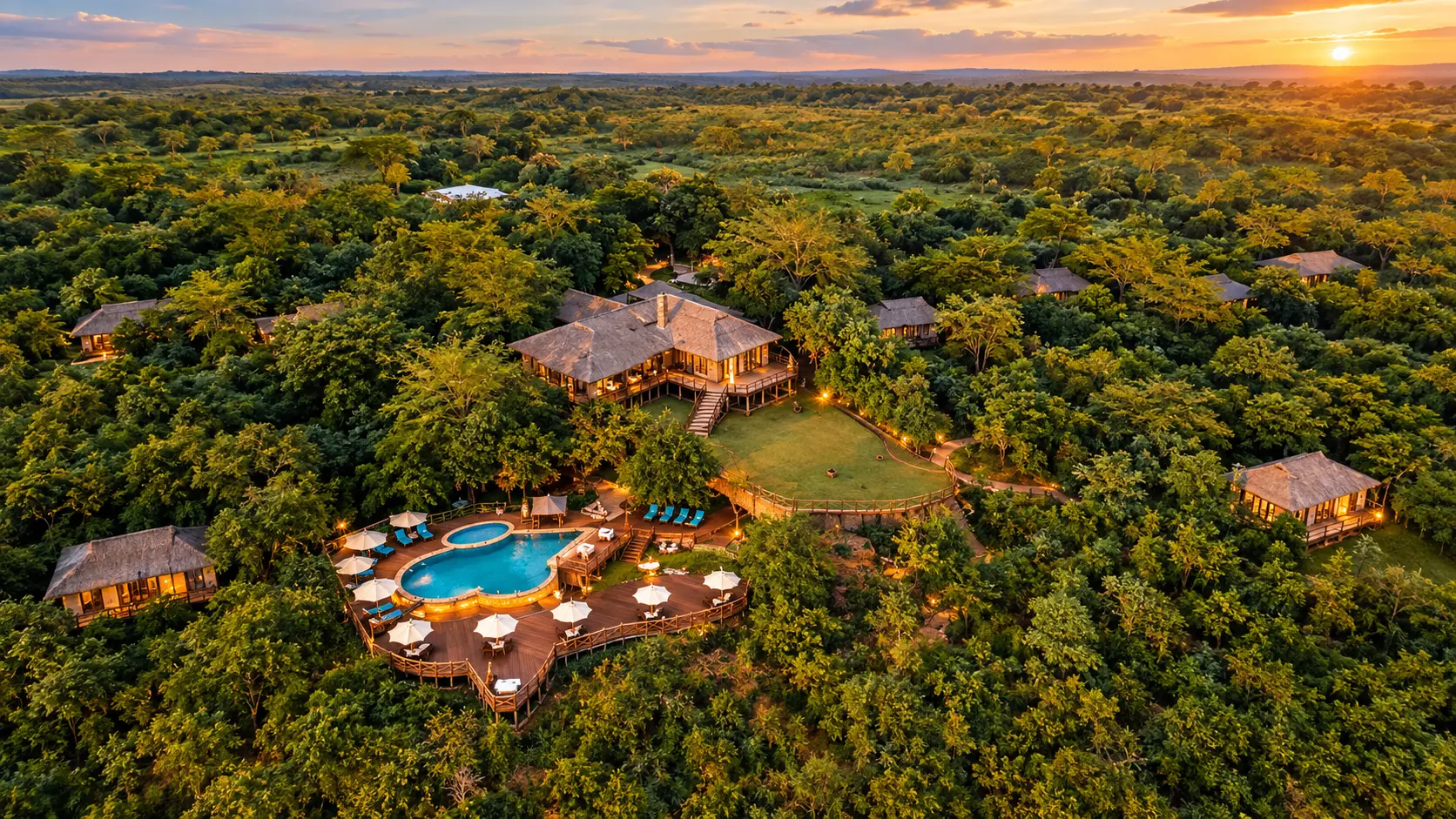
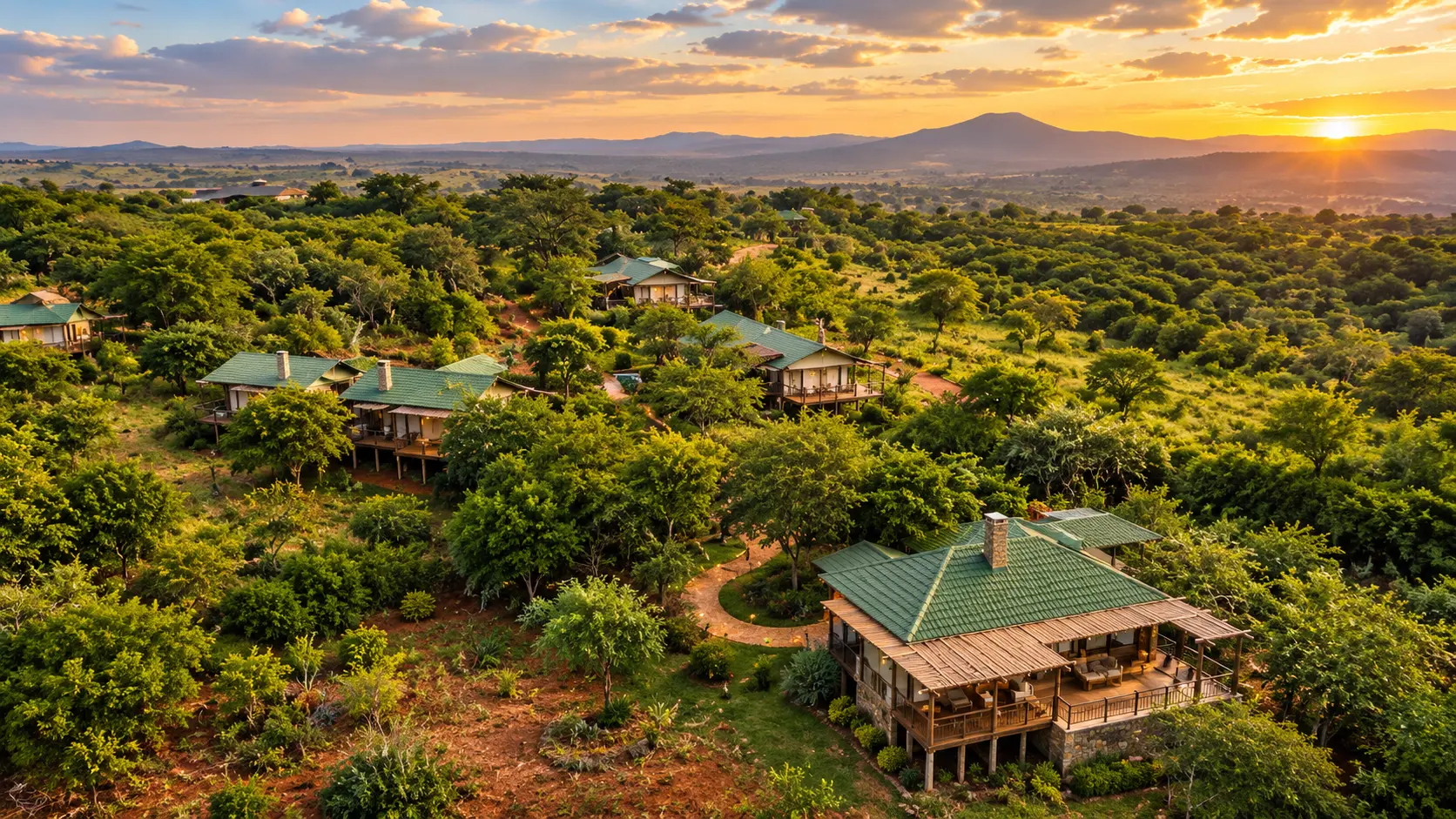
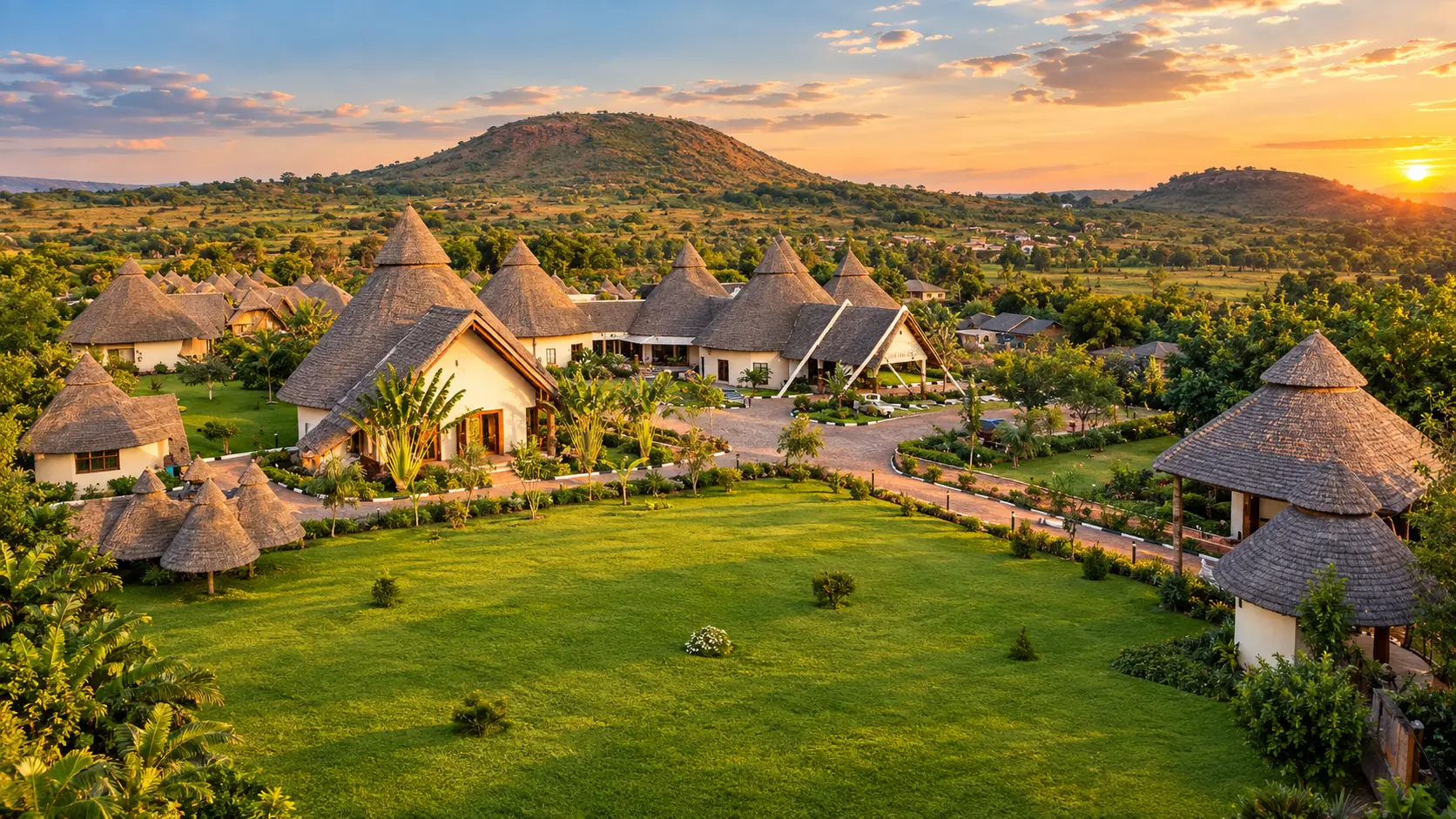
Groundwater Forests
Fed by underground springs, these lush green forests are home to elephants, baboons, blue monkeys, and bushbucks, offering shade and cooler temperatures year-round.
Tanzania • Safari Destination
Lake Manyara National Park is a scenic gem located along the base of the Great Rift Valley escarpment in northern Tanzania. Covering about 330 square kilometers, it's a small yet biodiverse haven famed for tree-climbing lions, vibrant birdlife, and picturesque lake views.
3.3762° S, 35.8188° E
BENEATH THE RIFT
01 — Overview
A small park with a big reputation — tree-climbing lions, flamingos and the Rift Valley wall.
Though often overshadowed by its more famous neighbors, Lake Manyara offers a unique and tranquil safari experience. Its compact size allows for intense wildlife encounters in a short period. From dense forests and open savannahs to marshy floodplains and alkaline lakes, the variety of habitats is astonishing. The park is ideal for first-time visitors, bird lovers, and travelers seeking an off-the-beaten-path adventure.
With its accessibility from Arusha and proximity to Tarangire and Ngorongoro Crater, Lake Manyara is a key part of the Northern Safari Circuit. Whether you're on a day trip or staying overnight, the park's beauty and wildlife will leave a lasting impression.
02 — Habitats
A compact yet diverse park offering thick forests, open plains, soda lakes, and lush floodplains. Ideal for day safaris, the park is home to elephants, hippos, baboons, flamingos, and the rare tree-climbing lions.
03 — Wildlife & Birds
Lake Manyara may be small, but it boasts an impressive variety of wildlife. Elephants are commonly seen in the forests, while hippos wallow in pools along the lake's edge. The park is best known for its tree-climbing lions, a rare behavior seen in only a few places in Africa.
Troops of baboons — sometimes in the hundreds — are a common sight, alongside vervet monkeys, giraffes, warthogs, impalas, and zebras. Birdwatchers will find a paradise here with over 400 bird species, including large flocks of flamingos, pelicans, spoonbills, and raptors such as fish eagles and augur buzzards.
04 — Weather
The park enjoys a warm climate year-round. The dry season (June to October) is best for general wildlife viewing as animals gather around shrinking water sources. The wet season (November to May) transforms the landscape into a lush paradise and is ideal for birdwatching and photographing dramatic scenery. Rain can make some trails muddy but also brings life to the park.
June to October & Mid-December to February
March to May & November to early December
05 — Location
Explore where Lake Manyara National Park sits in northern Tanzania and plan the wider circuit around it.
Lake Manyara National Park
Open in Google MapsMore Facts
Lions in trees, flamingo shores and Rift Valley views in one compact park.
Lake Manyara is famous for its lions that lounge in acacia branches — a behavior believed to help them escape insects or enjoy cooler breezes. Sightings aren't guaranteed but remain a top visitor highlight.
Large herds roam the park's groundwater forests, often appearing up close along the roadside or during forest walks — great for photography.
Over 400 bird species call the park home, from seasonal flamingos on the lake to hornbills, kingfishers, and bee-eaters in the forests.
Lake Manyara has some of Africa's largest baboon troops, offering fascinating viewing during game drives.
The towering escarpment forms the park's western edge, with viewpoints like Msasa and Majimoto offering breathtaking views and perfect photo stops.
06 — FAQ
Practical answers about location, wildlife, seasons, activities, getting there and where to stay.
In northern Tanzania, about 125 km west of Arusha — conveniently on the route to Ngorongoro Crater and Serengeti, making it a common first or last stop on a Northern Circuit safari.
About 330 km², with the alkaline lake making up nearly two-thirds of its area. Despite its smaller size, its diversity and ease of exploration make it highly rewarding.
Tree-climbing lions, large elephant herds, a flamingo-filled lake, and dense primate populations — its diverse habitats pack a wide range of experiences into a single day.
Elephants, giraffes, zebras, wildebeests, hippos, baboons, vervet monkeys, buffaloes, and the elusive tree-climbing lions, plus exceptional birdlife, especially in the wet season.
Yes — the park is safe and well-maintained, with guided tours by licensed operators ensuring secure wildlife viewing.
Year-round. June to October is best for dry-season wildlife viewing; November to May offers lush greenery and spectacular birdlife, especially flamingos and migrant species.
Game drives, birdwatching, walking safaris (in designated areas), cultural visits to nearby Mto wa Mbu village, and seasonal canoeing when water levels permit.
A 2-hour drive from Arusha on good tarmac roads. Domestic flights from Arusha or Kilimanjaro International Airport land at Lake Manyara Airstrip, just outside the park gate.
Neutral-colored clothes, a sunhat, insect repellent, binoculars, camera, sunscreen, and a refillable water bottle. Add waterproof shoes and a light rain jacket during wet months.
Yes — including Lake Manyara Tree Lodge (&Beyond), Escarpment Luxury Lodge, and Manyara Serena Safari Lodge, plus midrange lodges, mobile camps, and budget tented camps near Mto wa Mbu.
The soda-rich waters attract thousands of flamingos, especially during the wet season, creating a dramatic pink contrast against the green forests and Rift Valley escarpment.
November to May, when water levels are high and food is abundant. Numbers vary with rainfall and lake salinity but peak during the rains.
Pelicans, storks, kingfishers, hornbills, bee-eaters, and birds of prey like martial eagles and fish eagles — the mix of habitats ensures year-round birdwatching.
Yes, seasonally — typically during the wet months when lake levels rise, offering a peaceful way to observe hippos, aquatic birds, and the surrounding landscape.
Absolutely — it's often combined with Tarangire, Ngorongoro, and Serengeti in a classic Northern Circuit itinerary, and makes an easy first or final safari destination.
Yes — the park's small size, gentle terrain, and high wildlife density make it ideal for family safaris, with some lodges offering children's programs and family accommodations.
Its tree-climbing lions, alkaline flamingo lake, lush forests, and the dramatic backdrop of the Rift Valley escarpment combine wildlife and beauty in a small space.
Yes, though predator density is lower than in Serengeti or Ngorongoro. Lions are occasionally spotted in trees, and leopards and hyenas are present but harder to see.
Yes — options near Mto wa Mbu include Migunga Forest Camp, Manyara Wildlife Safari Camp, and Kirurumu Tented Lodge, all offering easy access and great lake views.
It supports unique ecosystems and biodiversity in a compact area, contributing to sustainable tourism, community income, and bird and elephant conservation in the Greater Rift Valley region.
Explore the destination
Explore our Tanzania safari itineraries that include Lake Manyara, from day trips to full Northern Circuit safaris.
Explore Trekking Adventure
Explore Trekking Adventure (ETA) offers expertly guided treks, authentic cultural experiences, and responsible travel. With local knowledge, quality gear, and personalized service, ETA ensures safe, unforgettable journeys across East Africa.
Selected accommodation
Handpicked lodges and camps we recommend around this destination.