Habitat
Soda Lake Basin
Lake Eyasi is a seasonal alkaline lake surrounded by open plains and rocky ridges. During the wet season, it fills with water and attracts flamingos and other migratory birds.
Tanzania • Cultural Destination
Lake Eyasi is a shallow seasonal soda lake located in the Great Rift Valley of northern Tanzania, just southwest of the Ngorongoro Crater. Though less visited than Tanzania's big-name parks, Lake Eyasi offers an extraordinary cultural and ecological experience for travelers seeking authentic human and natural encounters.
3.5924° S, 35.0741° E
ANCIENT WAYS OF LIFE
01 — Overview
A rare glimpse into Tanzania's human heritage, set against salt flats and Rift Valley walls.
Unlike the open savannahs of the Serengeti or lush forests of Arusha, Lake Eyasi is best known for its connection to indigenous cultures. Here, you can meet and interact with the Hadzabe and Datoga tribes — communities that have preserved their ancient ways of life for centuries. Beyond culture, Lake Eyasi's landscapes include volcanic escarpments, dry open plains, and bird-rich seasonal wetlands.
This off-the-beaten-path destination provides a rare glimpse into Tanzania's human heritage while still offering scenic beauty and serenity. It's a favorite add-on for travelers visiting the Ngorongoro Highlands or Northern Circuit.
02 — Habitats
Lake Eyasi offers an immersive experience into ancient tribal cultures alongside scenic salt lake vistas, dramatic rift valley escarpments, and a surprising variety of birds and wildlife — making it ideal for those interested in anthropology and peaceful nature excursions.
03 — Culture, Wildlife & Birds
Lake Eyasi is a cultural stronghold for two of Tanzania's oldest ethnic groups. The Hadzabe, one of the last remaining hunter-gatherer tribes in East Africa, live entirely off the land, using bows, arrows, and foraging. The Datoga, skilled pastoralists and blacksmiths, inhabit the surrounding areas and maintain a rich traditional identity.
Although Lake Eyasi is not a major wildlife safari destination, it supports a range of bird species, especially during the wet season. Flamingos, pelicans, storks, and herons frequent the lake when water levels are high. Small mammals like dik-diks, hyraxes, and mongooses can also be seen in the area.
04 — Weather
The area has a semi-arid climate, with hot daytime temperatures and cooler nights. The dry season (June to October) is best for travel and cultural visits, while the wet season (November to May) transforms the lake and attracts birdlife. Rain can make access roads muddy, especially in March and April.
June to October & Mid-December to February
March to May & November to early December
05 — Location
Explore where Lake Eyasi sits in northern Tanzania and plan the wider circuit around it.
Lake Eyasi
Open in Google MapsMore Facts
Culture first: hunting walks, blacksmiths, flamingos and Rift Valley views.
Living without modern tools, the Hadzabe people still practice traditional hunting and gathering. Visitors can join them on a morning hunt, watch fire-making techniques, and learn how they identify edible plants and use natural medicine.
The Datoga tribe are skilled metalworkers and pastoralists. Visitors can tour their homesteads and see how they forge arrowheads and jewelry from recycled materials using ancient bellows and charcoal furnaces.
In wetter months, Lake Eyasi becomes a haven for flamingos and other migratory birds — the lake's shallow, salty waters support algae blooms that attract them in dazzling pink flocks.
Lake Eyasi is often visited as a cultural extension of a safari to Ngorongoro or Serengeti, providing a strong contrast to wildlife-focused parks.
Unmatched opportunities to capture daily life, hunting rituals, traditional dress, and the stunning Rift Valley escarpment and salt lake backdrop.
06 — FAQ
Practical answers about location, wildlife, seasons, activities, getting there and where to stay.
Southwest of the Ngorongoro Conservation Area, along the Great Rift Valley floor — accessible from Karatu town, about a 2-hour drive from Ngorongoro Crater.
Its surface area fluctuates dramatically with the seasons, ranging from 400 to over 1,000 km². It fills with shallow, alkaline water in the rainy season and becomes a salt-flat basin in the dry season.
Indigenous cultural experiences, particularly visits with the Hadzabe and Datoga tribes, plus seasonal birdwatching, tranquil scenery, and dramatic rift valley escarpment views.
Not a classic wildlife park, but it offers sightings of birds, small mammals, and reptiles. Its main draw is cultural immersion, often combined with a larger Northern Circuit itinerary.
Yes, when visiting with a certified local guide or tour operator. Tribal visits are arranged respectfully, often supported by community tourism initiatives that directly benefit local people.
June to October for travel and outdoor cultural walks; the wet season (November–April) is best for birding and photography. Tribal visits can be done year-round.
Hadzabe hunting excursions, Datoga village and blacksmith visits, birdwatching, nature walks, photography, cultural learning, escarpment hiking, and scenic sundowners.
Best accessed from Karatu, reachable from Arusha, Ngorongoro Crater, or Lake Manyara. The final approach is via dirt roads — 4x4 vehicles recommended during the wet season.
Light, modest clothing and durable walking shoes, sun protection, insect repellent, a camera, and a water bottle. Gifts for the tribes aren't expected but should be culturally appropriate if offered.
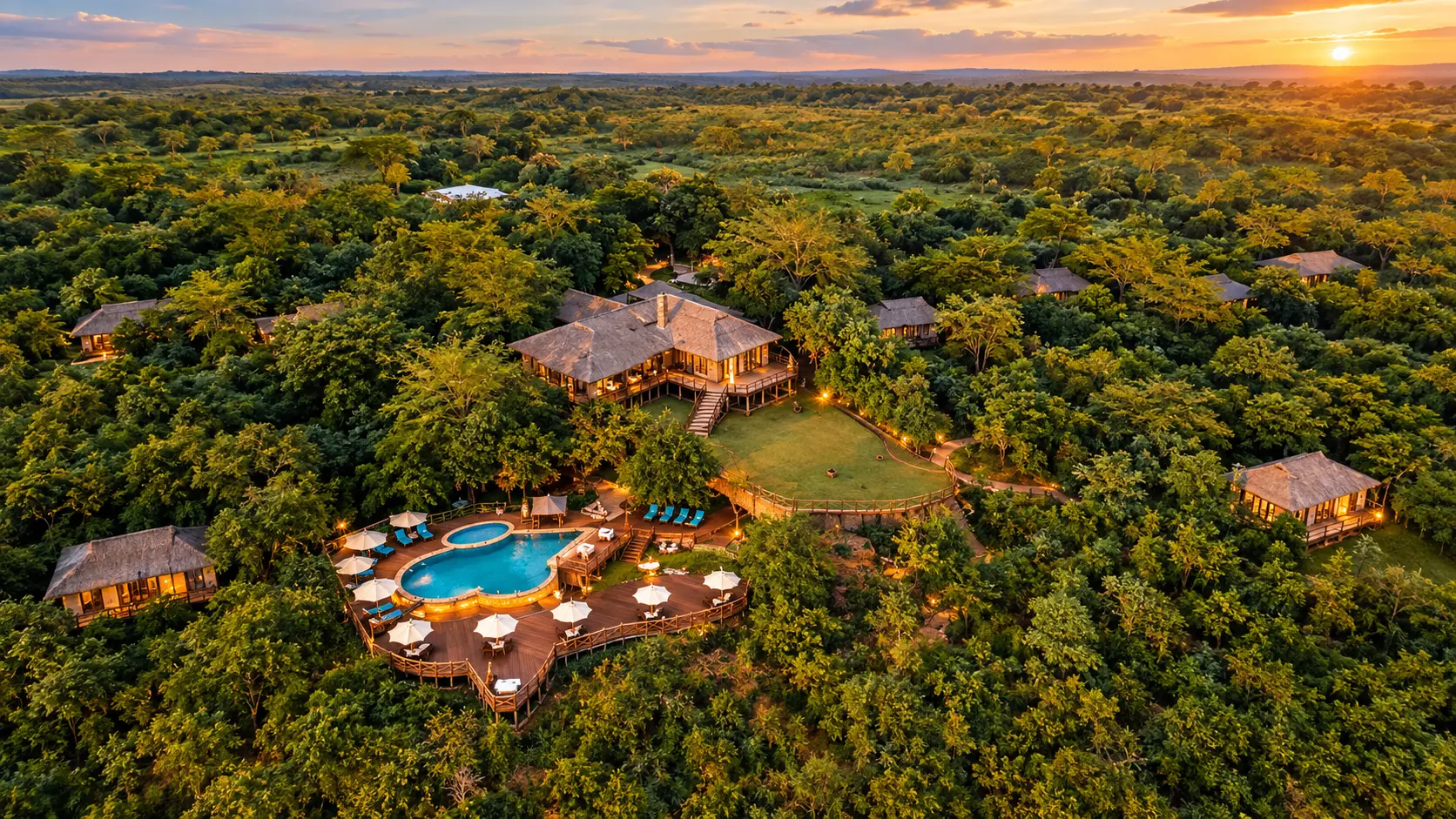
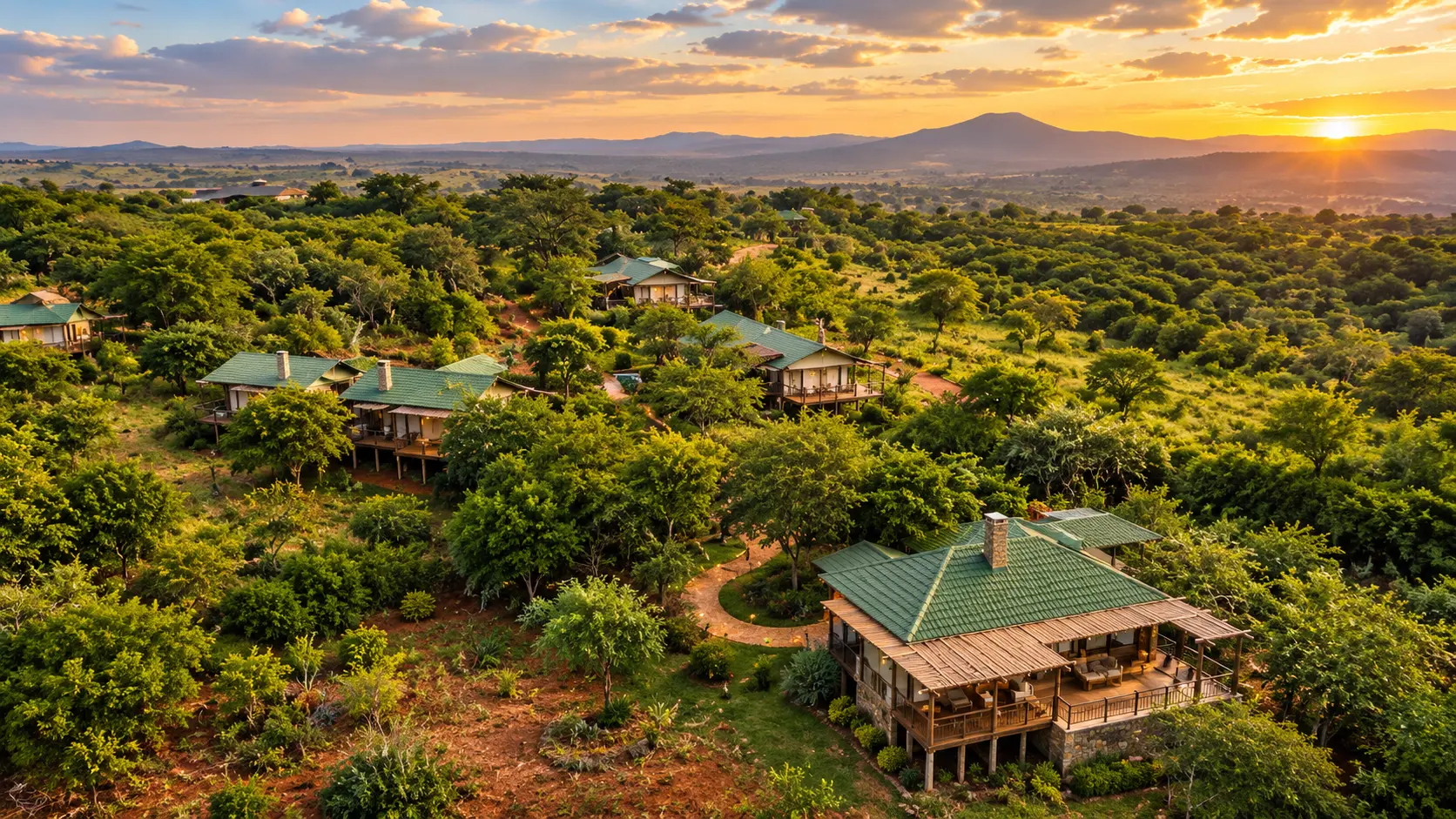
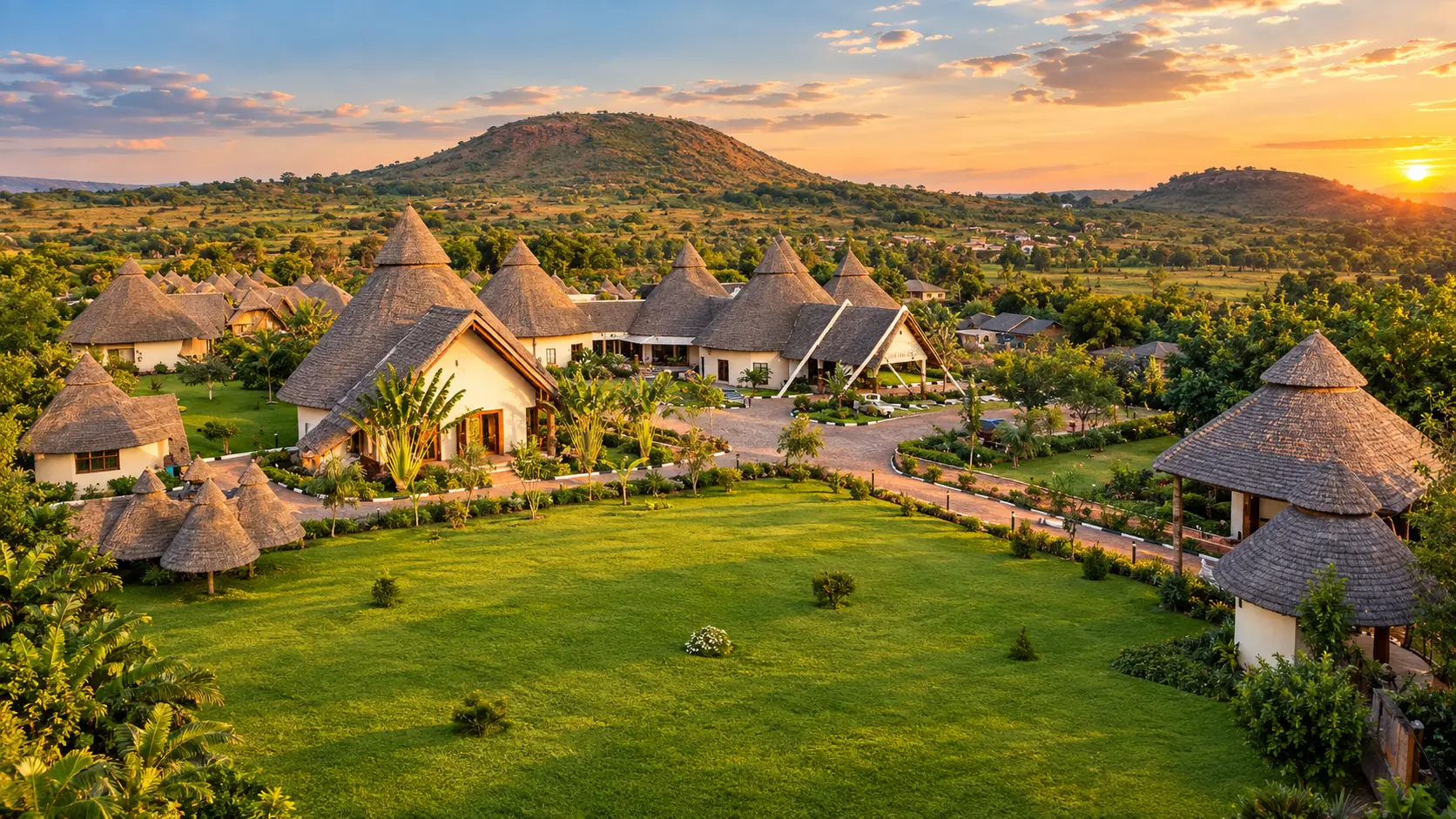
Yes — eco-lodges, tented camps, and midrange guesthouses, including Lake Eyasi Safari Lodge, Ziwani Lodge, and Tindiga Tented Camp, all close to tribal villages.
An indigenous hunter-gatherer tribe believed to be among the last of their kind in Africa. They live in small bands, surviving by hunting, foraging, and living in harmony with nature.
Yes — visitors can join early-morning hunting trips, observe traditional archery, gather edible plants, and learn about medicinal herbs and fire-making, guided by tribe members with translation support.
Traditional herders and skilled metalworkers, known for distinct facial markings and jewelry. They live in huts and practice age-old blacksmithing to create tools and ornaments.
Yes, when arranged with responsible tour operators who partner with the communities — focused on mutual respect, cultural exchange, and ensuring tourism benefits local people directly.
Usually welcomed, but always ask permission first — some ceremonial or private moments may not be appropriate to photograph.
Yes — the cultural experiences are engaging and educational for children, though parental supervision is necessary during walks or hunting excursions.
Yes — nature walks around the lake, birding walks, and short hikes along the rift escarpment, often guided by locals.
No, but it complements a Great Migration safari by offering a cultural and ecological contrast to the Serengeti's wildlife-focused experience.
A 1–2 night stay is ideal for cultural tours, scenic photography, and nature walks without rushing — a good stop between Ngorongoro and Tarangire or Manyara.
It preserves Tanzania's cultural diversity, offers unique insights into traditional lifestyles, supports community-based tourism, and diversifies the safari experience beyond wildlife alone.
Explore the destination
Safaris and day trips that add a Hadzabe and Datoga cultural visit to your Northern Circuit.
Explore Trekking Adventure
Explore Trekking Adventure (ETA) offers expertly guided treks, authentic cultural experiences, and responsible travel. With local knowledge, quality gear, and personalized service, ETA ensures safe, unforgettable journeys across East Africa.
Selected accommodation
Handpicked lodges and camps we recommend around this destination.