Habitat
Ngurdoto Crater (Mini Ngorongoro)
A forested volcanic caldera home to warthogs, buffaloes, and baboons. Scenic viewpoints along the rim offer panoramic vistas into the lush crater floor.
Tanzania • Safari Destination
Arusha National Park is a compact yet captivating gem located just 40 minutes from Arusha city. Spanning approximately 137 square kilometers, the park offers a stunning variety of ecosystems — from montane forests and crater lakes to alpine meadows and the snow-capped peak of Mount Meru.
3.2559° S, 36.8350° E
IN MERU’S SHADOW
01 — Overview
One of Tanzania's most underrated safari destinations — small in size, remarkable in variety.
Arusha National Park is one of Tanzania's most underrated safari destinations. Despite its modest size, it boasts remarkable ecological diversity. From hiking through lush forests filled with black-and-white colobus monkeys to canoeing on the serene Momella Lakes, Arusha offers an intimate and active safari experience away from the typical crowds.
The park's backdrop is dominated by Mount Meru, Tanzania's second-highest peak and a challenging trekking alternative to Kilimanjaro. With its proximity to Kilimanjaro International Airport and Arusha city, this park is a perfect introduction to Tanzania's wild beauty.
02 — Habitats
A compact park of forested crater, alkaline lakes, and the towering slopes of Mount Meru. Walking and canoe safaris here offer an intimate wildlife experience you won't find in Tanzania's larger parks.
03 — Wildlife & Birds
Though Arusha National Park lacks large predators like lions or cheetahs, it compensates with unique wildlife and birdlife. Giraffes roam freely across the open plains, buffaloes graze in the Ngurdoto Crater, and troops of baboons and monkeys swing through the forest canopy. Waterbucks, bushbucks, zebras, and warthogs are frequently seen.
The park is a birdwatcher's haven with over 400 species recorded, including flamingos, African fish eagles, silvery-cheeked hornbills, turacos, and crowned cranes. The tranquil lakes and forests offer excellent vantage points for bird photography.
04 — Weather
The park's climate is generally mild and temperate due to its elevation. The dry season (June to October) offers clear skies and better visibility for hiking and game drives. The wet seasons (March–May and November–December) bring lush greenery, full waterfalls, and peak bird activity, though trails may be slippery.
June to October & Mid-December to February
March to May & November to early December
05 — Location
Explore where Arusha National Park sits in northern Tanzania and plan the wider circuit around it.
Arusha National Park
Open in Google MapsMore Facts
Walk, paddle or climb: Arusha National Park is made for active safaris.
At 4,566 meters, Mount Meru is Africa's fifth-highest mountain. A popular trekking alternative to Kilimanjaro, the Meru climb is scenic, uncrowded, and offers dramatic views of both Meru and Kilimanjaro.
Arusha is one of the few national parks in Tanzania where guided walking safaris and canoe trips are permitted. Walk among giraffes and zebras or paddle quietly past hippos and flamingos.
Arusha is one of the best places in Tanzania to spot black-and-white colobus monkeys, known for their striking appearance and agile tree-leaping behavior.
Nicknamed the "Mini Ngorongoro," this lush volcanic crater is home to buffaloes, monkeys, warthogs, and diverse birdlife, with several scenic viewpoints along the rim.
These shallow lakes attract seasonal flamingos and countless aquatic birds. The contrast of the lake's mineral-rich hues against Mount Meru's backdrop is stunning.
06 — FAQ
Practical answers about location, wildlife, seasons, activities, getting there and where to stay.
In northern Tanzania, just 29 km from Arusha city and about 60 km from Kilimanjaro International Airport (JRO), between Mount Kilimanjaro and Mount Meru.
137 km² — small by African standards, but with one of the most diverse ecological ranges in a compact space, from montane rainforests to alpine highlands.
Mount Meru, black-and-white colobus monkeys, Momella Lakes, and Ngurdoto Crater, plus walking and canoe safaris.
Giraffes, buffaloes, zebras, warthogs, waterbucks, bushbucks, blue monkeys, baboons, and colobus monkeys. Large predators are absent, though leopards are occasionally spotted.
Yes — a secure, well-managed park. Walking and canoeing safaris are guided by armed rangers.
Year-round. Dry season (June–October) is best for hiking and general wildlife viewing; wet season (March–May, November) is ideal for lush scenery and birdwatching.
Game drives, guided walking safaris, canoeing on the Momella Lakes, trekking Mount Meru, and picnicking at scenic viewpoints.
A 40-minute drive from Arusha city; about an hour from Kilimanjaro International Airport. Often a first or last stop on a Northern Circuit itinerary.
Layered, breathable clothing, comfortable walking shoes, a hat, sunscreen, and insect repellent. For hiking or trekking Meru, bring warm clothing and rain protection.
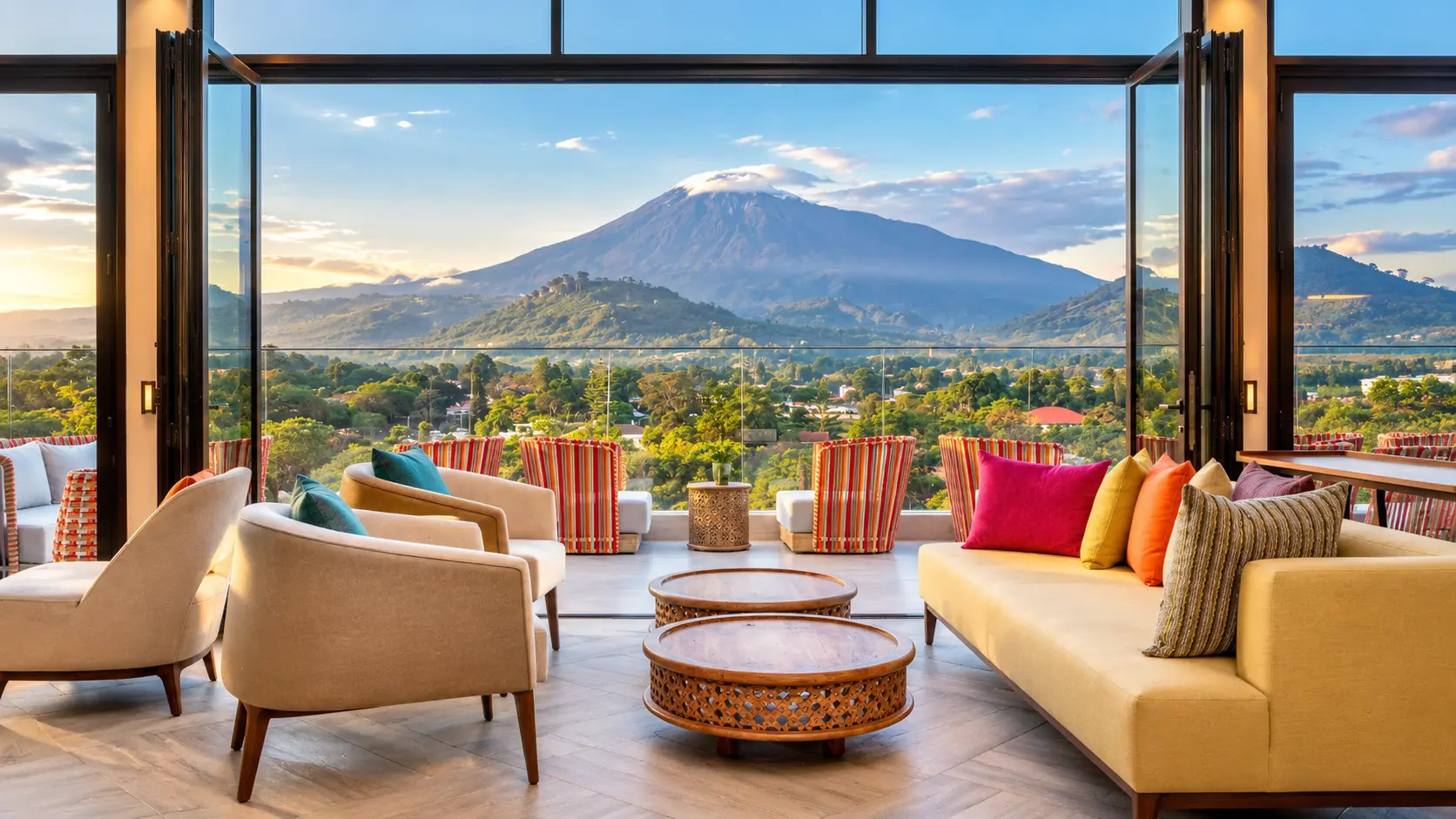
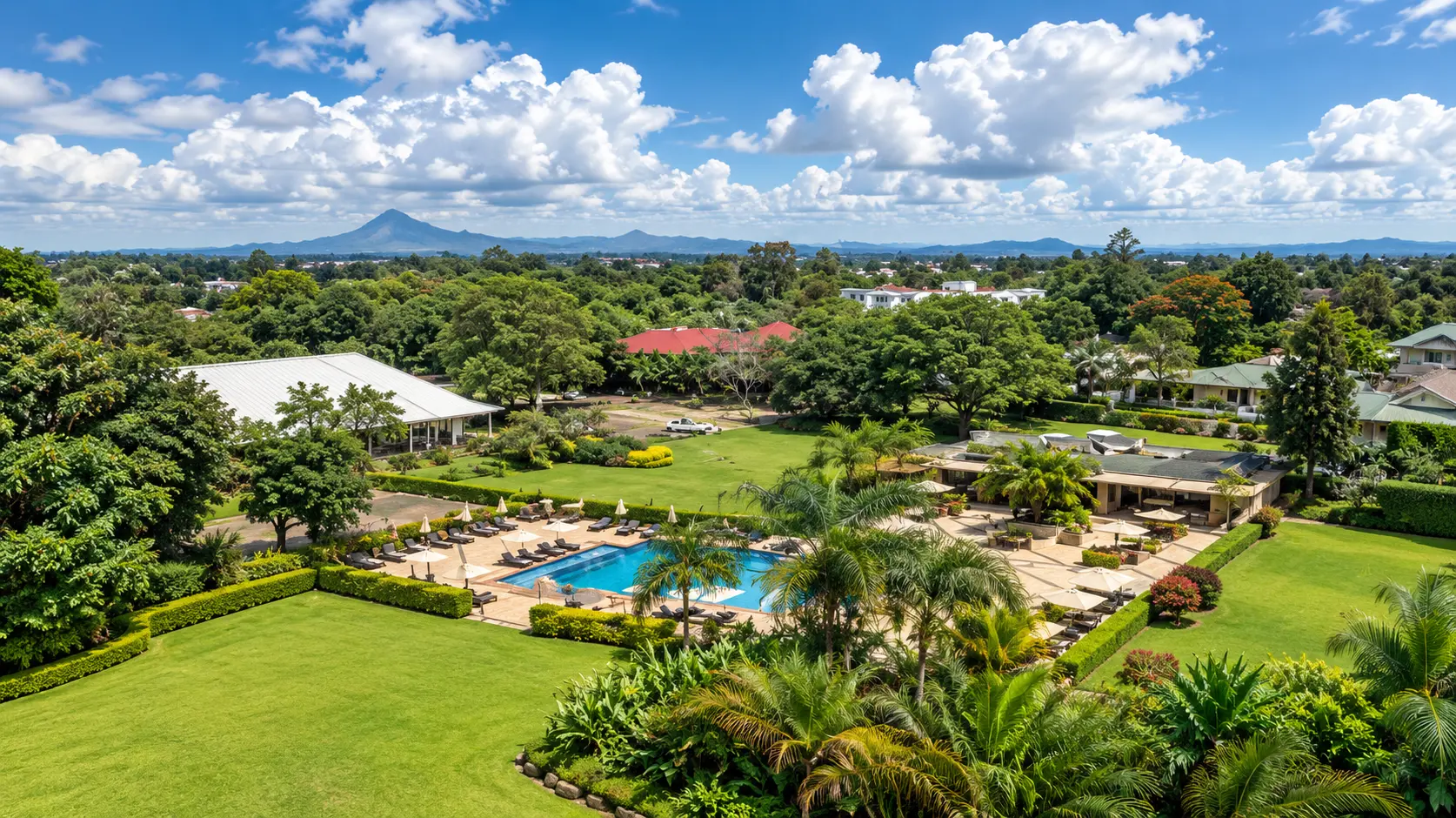
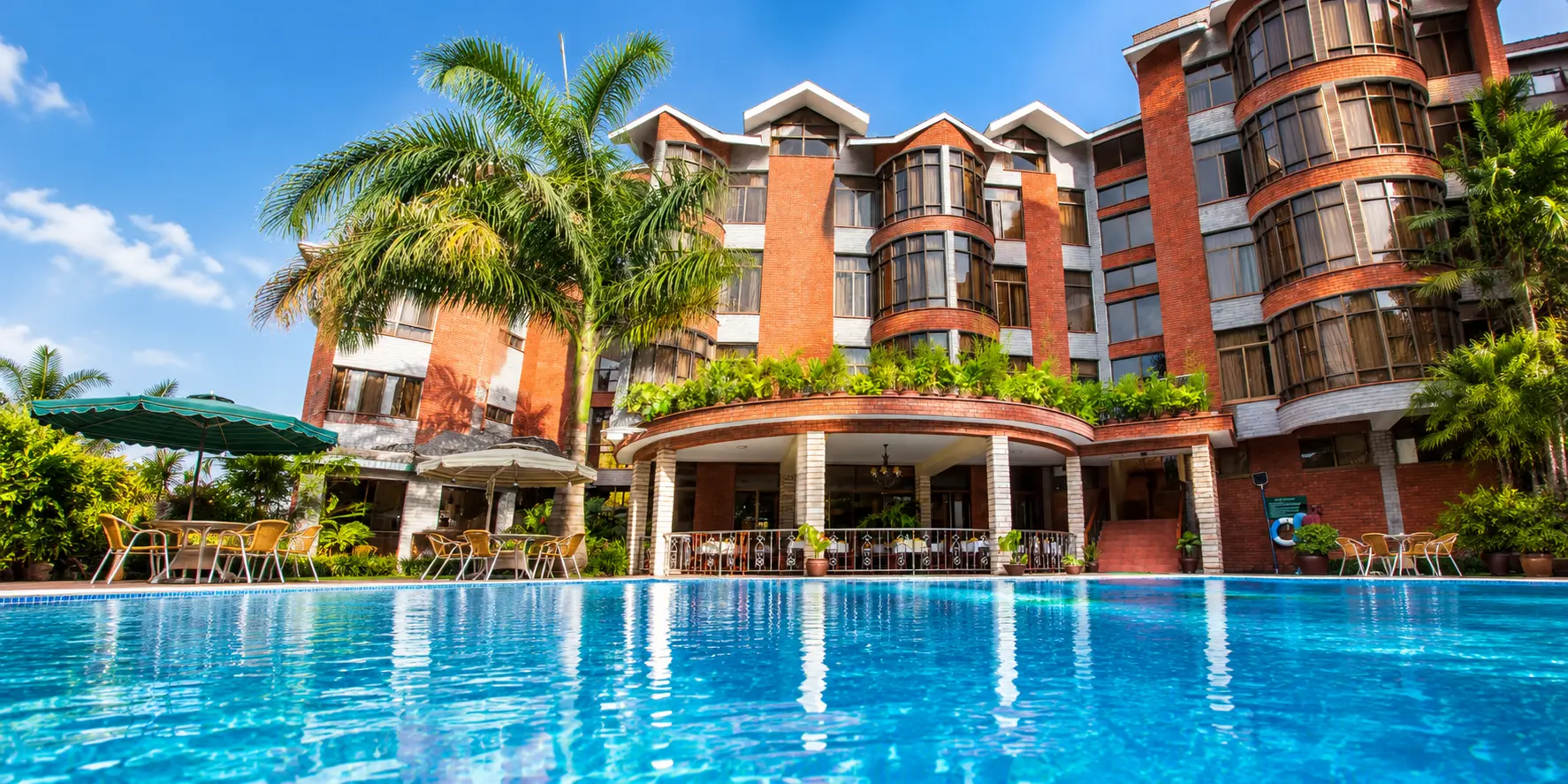
Yes — including Hatari Lodge, Ngare Sero Mountain Lodge, Rivertrees Country Inn, and various hotels in Arusha city. Camping is also permitted in designated areas inside the park.
Absolutely — less crowded, cheaper, and equally scenic. The 3–4 day trek offers wildlife on the lower slopes, alpine scenery, and panoramic views of Kilimanjaro from the summit.
Moderately challenging — steep sections and high altitude, but manageable for those with good fitness. Acclimatization is easier than Kilimanjaro.
Yes — all treks require a registered park guide and an armed ranger, as wildlife encounters are common on the lower slopes.
Giraffes, colobus monkeys, buffaloes, bushbucks, and occasionally elephants in the lower forests; Hartlaub's turaco and mountain buzzards in the highlands.
Yes — a major attraction. Walk through forested trails or open plains spotting giraffes, buffaloes, and monkeys.
It's seasonal and depends on water levels, but often available throughout the year — a tranquil, low-impact way to explore lakeside wildlife and birds.
A single day trip from Arusha works, but a 1–2 night stay allows deeper exploration, especially for hiking, walking, or canoeing.
Yes — it pairs well with Tarangire, Lake Manyara, Ngorongoro, and Serengeti on Northern Circuit safaris, and is a great pre- or post-trek stop for Kilimanjaro climbers.
Its combination of walking safaris, alpine trekking, colobus monkey sightings, and crater-and-lake ecosystems is unmatched in Tanzania for such a small area.
Yes — accessible terrain, moderate safari pace, and a variety of short activities make it ideal for families, older travelers, and those with limited time.
Explore the destination
Day trips and Northern Circuit safaris that include Arusha National Park.
Explore Trekking Adventure
Explore Trekking Adventure (ETA) offers expertly guided treks, authentic cultural experiences, and responsible travel. With local knowledge, quality gear, and personalized service, ETA ensures safe, unforgettable journeys across East Africa.
Selected accommodation
Handpicked lodges and camps we recommend around this destination.