Habitat
Riverine Forests
Along the Tarangire River, lush corridors support elephants, buffaloes, and various primates while attracting predators during the dry season.

Tanzania • Safari Destination
Tarangire National Park, covering approximately 2,850 square kilometers, is located in northern Tanzania, just south of Lake Manyara and part of the larger Manyara Region ecosystem. It is a haven of seasonal swamps, ancient baobab trees, and a rich diversity of wildlife.
3.8333° S, 36.0833° E
LAND OF GIANTS
01 — Overview
A classic safari of peaceful plains, ancient baobabs, seasonal swamps and enormous elephant herds.
Famous for its large elephant herds and iconic baobab-studded landscapes, Tarangire offers a uniquely intimate safari experience. It may be less visited than its famous neighbors, but its dense concentration of wildlife — particularly during the dry season — makes it one of Tanzania's hidden safari gems.
Tarangire's lifeline is the Tarangire River, which attracts thousands of animals during the dry season (June–October), turning the park into a bustling wildlife corridor. In addition to elephants, the park is home to buffaloes, giraffes, zebras, wildebeests, and numerous predators. Birdwatchers will find over 500 species here, making it a true birding paradise.
02 — Habitats
A classic safari destination known for its peaceful atmosphere, ancient baobab trees, seasonal swamps, and enormous elephant populations. Game-viewing is most dramatic during the dry season when animals gather at the Tarangire River.
03 — Wildlife & Birds
Tarangire boasts an impressive variety of wildlife, especially known for hosting Tanzania's largest elephant population. Massive herds gather around the Tarangire River during the dry season, creating unforgettable sightings. Lions, leopards, and cheetahs patrol the grasslands, while giraffes, zebras, wildebeests, buffaloes, and warthogs roam freely — making every safari feel alive with movement.
The park is also a paradise for bird lovers, with over 550 recorded species, including yellow-collared lovebirds, bateleur eagles, hornbills, and the striking lilac-breasted roller. Unique creatures like fringe-eared oryx, gerenuks, and greater kudu can also be spotted here.
04 — Weather
Tarangire enjoys a warm, temperate climate year-round, making it a rewarding safari destination in any season. Dry seasons — June to October and mid-December to February — are best for game viewing, as wildlife congregates along the river and around dwindling water sources, offering dramatic sightings of elephant herds and predators in action. Wet seasons run March to May (long rains) and November to early December (short rains), turning the park into a green oasis with vibrant birdlife and fewer visitors, though some roads can get muddy.
June to October & Mid-December to February
March to May & November to early December
05 — Location
Explore where Tarangire National Park sits in northern Tanzania and plan the wider circuit around it.
Tarangire National Park
Open in Google MapsMore Facts
Elephants, baobabs, birds and culture: the many sides of Tarangire.
Tarangire is home to one of Africa's largest elephant populations, with herds numbering in the hundreds — often seen bathing, feeding, or socializing by the riverbanks and swamps.
The park is renowned for its towering baobab trees, some over a thousand years old, which dominate the landscape and serve as water storage during dry months.
From June to October, animals migrate into Tarangire's river system from surrounding areas, providing one of the highest concentrations of wildlife outside the Serengeti.
With over 500 bird species, including kori bustards, yellow-collared lovebirds, and hammerkops, Tarangire is a haven for both novice and seasoned birders.
Visitors can enjoy cultural interactions with the Barabaig and Maasai communities around the park, learning about their pastoral lifestyles, traditions, and crafts.
06 — FAQ
Practical answers about location, wildlife, seasons, activities, getting there and where to stay.
In northern Tanzania, about 120 km southwest of Arusha, on the Northern Circuit safari route — part of the larger Manyara ecosystem, bordered by Lake Manyara and Maasai steppe lands.
About 2,850 km², with habitats ranging from riverine forests to floodplains, sheltering wildlife year-round, especially during the dry season.
Massive elephant herds, ancient baobab trees, and seasonal migration — especially vibrant in the dry season when animals gather at the river.
Elephants, lions, giraffes, zebras, wildebeests, leopards, and rarities like the fringe-eared oryx and lesser kudu, plus rich birdlife including ostriches, hornbills, and bee-eaters.
Yes — licensed operators and experienced rangers ensure a secure experience, with strict conservation and safety regulations.
Dry season (June–October) for concentrated wildlife along the river; wet season (November–May) for lush scenery, bird migrations, and fewer crowds.
Game drives, night drives (in nearby concessions), walking safaris, and cultural excursions.
A 2–3 hour drive from Arusha, often the first stop on Northern Circuit safaris; fly-in options are also available via charter flights from Arusha or Serengeti.
Neutral-colored clothing, sun protection, comfortable walking shoes, binoculars, insect repellent, a good camera, and a warm layer for cooler months (June–August).
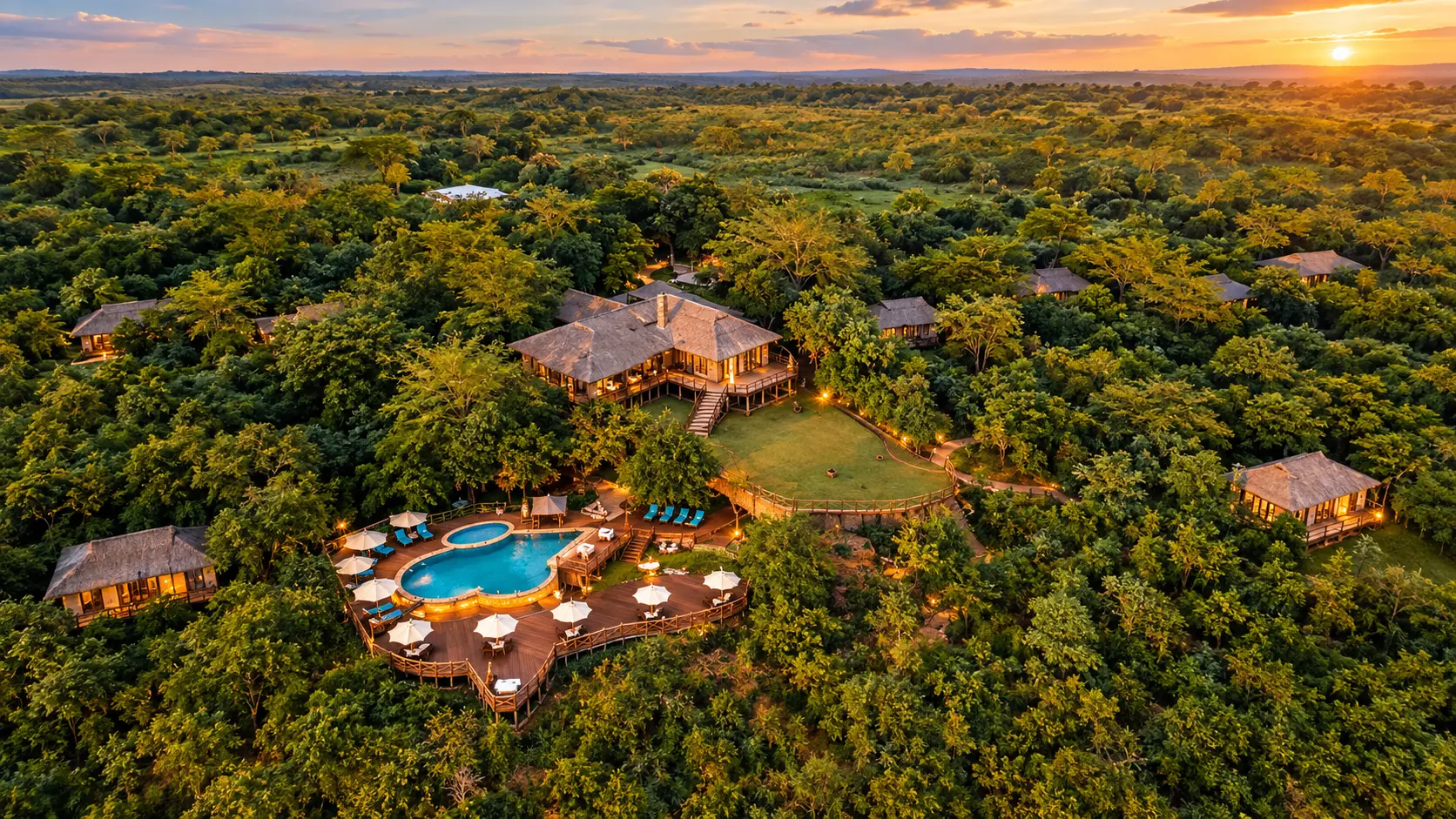
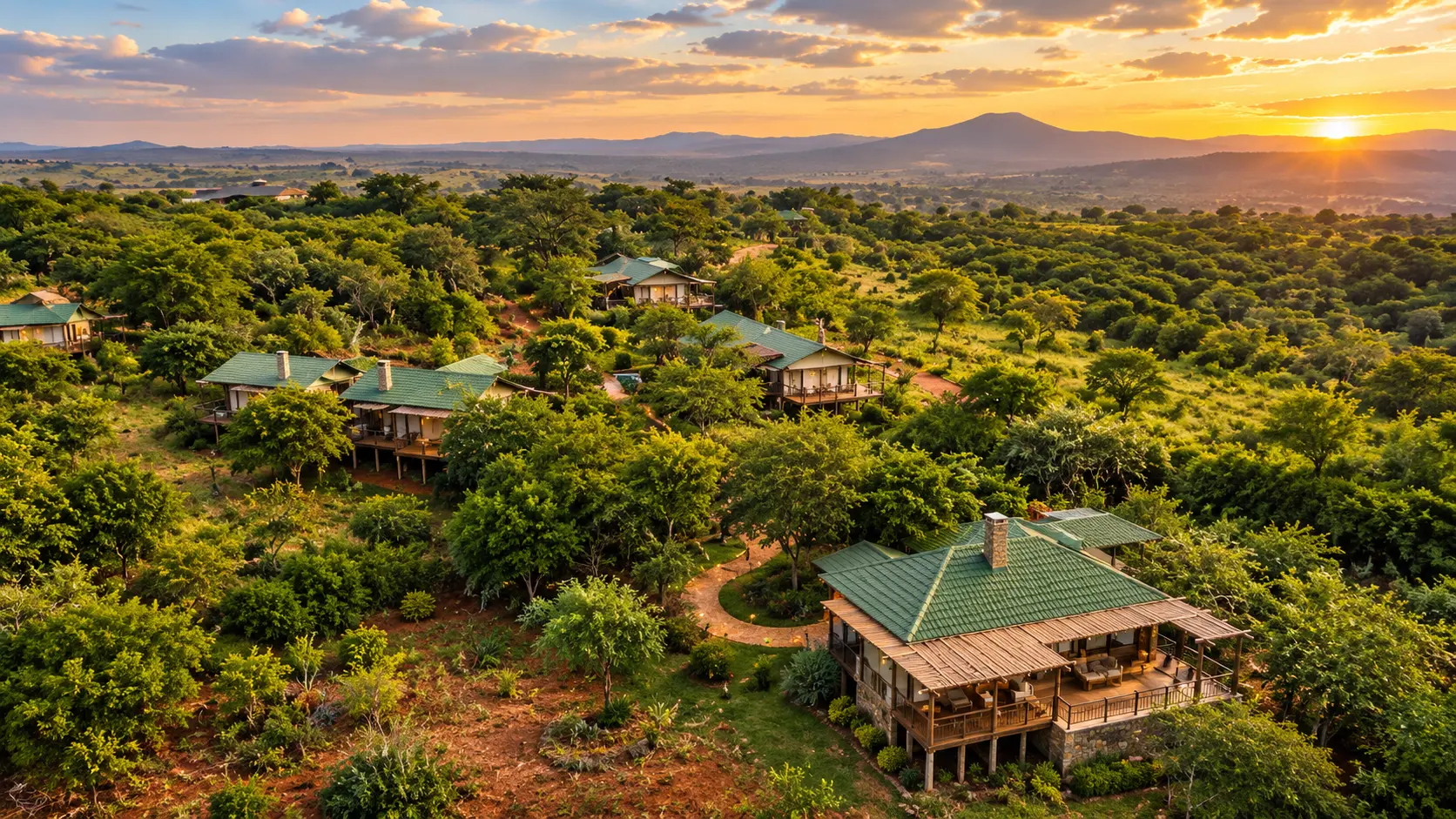
Yes — options range from rustic lodges to high-end tented camps, including Tarangire Treetops by Elewana, Sanctuary Swala Camp, Lemala Mpingo Ridge, and Baobab Tented Camp.
Animals migrate to the Tarangire River — the only reliable water source — creating a spectacle of hundreds of elephants and predator-prey interactions.
It's quieter and more intimate, with distinctive baobab landscapes. While Serengeti is known for the Great Migration, Tarangire is known for elephant herds and seasonal density along its river.
Yes — guided walking safaris are available in designated park zones and nearby conservation areas, led by professional guides and rangers.
Yes — Tarangire is one of the few places in Tanzania to see fringe-eared oryx, greater kudu, and African wild dogs.
Absolutely — baobab-strewn landscapes, golden dry-season light, dramatic skies, and abundant wildlife make for excellent wide-angle and telephoto opportunities.
Yes — many lodges offer family tents, child-friendly meals, and educational wildlife experiences, and the park's manageable size suits younger travelers.
Yes — it pairs well with Lake Manyara, Ngorongoro Crater, and Serengeti National Park as part of a Northern Circuit safari.
Midrange and budget options near the main gate and in Mto wa Mbu or Karatu, including Tarangire Safari Lodge, Lake Burunge Tented Camp, and Whistling Thorn Camp.
Hornbills, guinea fowls, kori bustards, lovebirds, yellow barbets, and bee-eaters — the Silale Swamp is especially rich in waterbirds like herons, storks, and African jacanas.
It's part of a crucial migratory corridor connecting several wildlife zones, helping preserve biodiversity, support local livelihoods through tourism, and protect elephants and lesser-known species.
Explore the destination
Explore our Tanzania safari itineraries that start with Tarangire’s elephants and baobabs.
Explore Trekking Adventure
Explore Trekking Adventure (ETA) offers expertly guided treks, authentic cultural experiences, and responsible travel. With local knowledge, quality gear, and personalized service, ETA ensures safe, unforgettable journeys across East Africa.
Selected accommodation
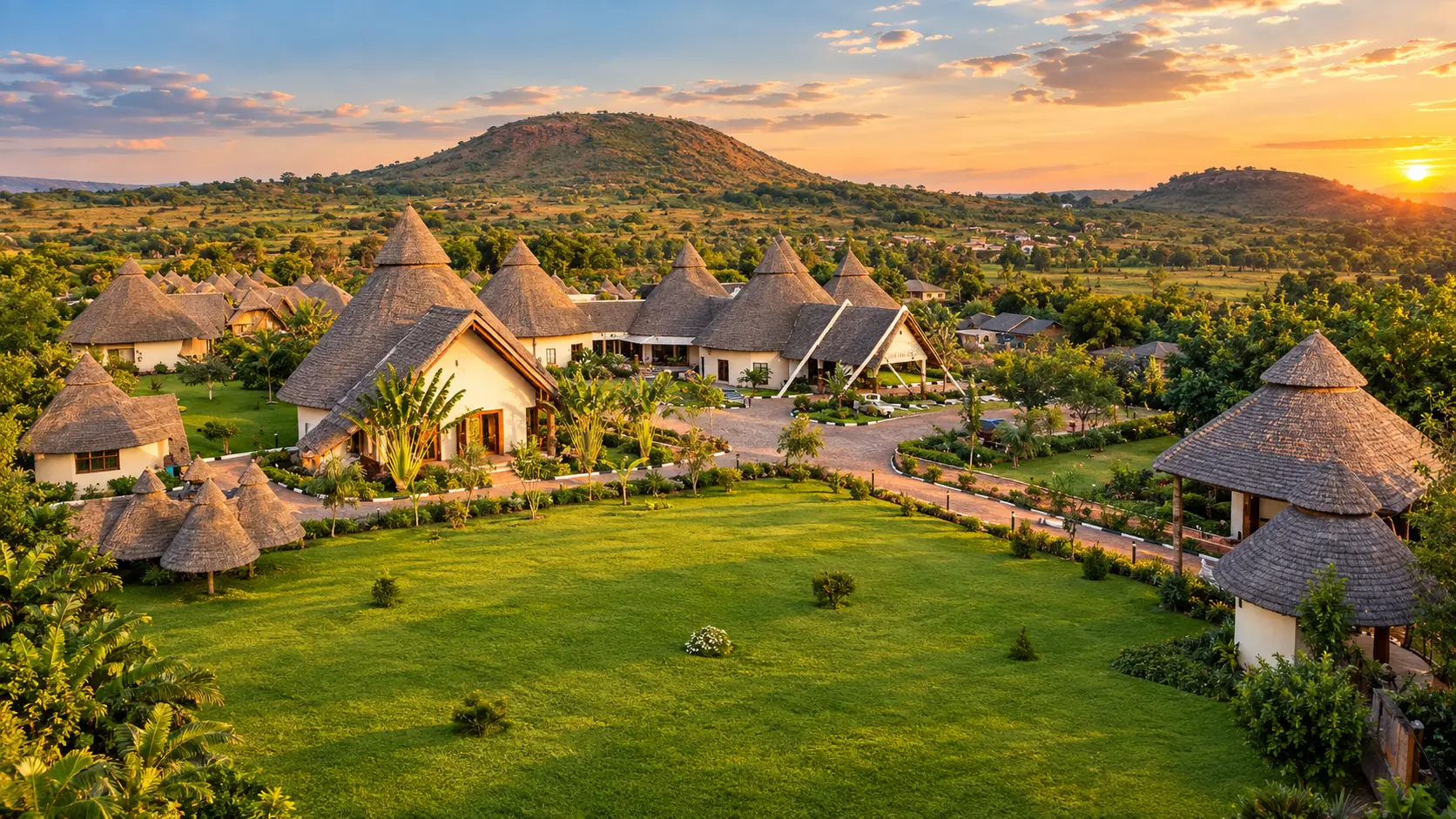
Handpicked lodges and camps we recommend around this destination.