Skip to content
★★★★★ Rated 5.0 of 5 on Tripadvisor, based on 64 reviews
Explore Trekking Adventure
Zanzibar

Tanzania • The Spice Island

ZanzibarTravel Guide

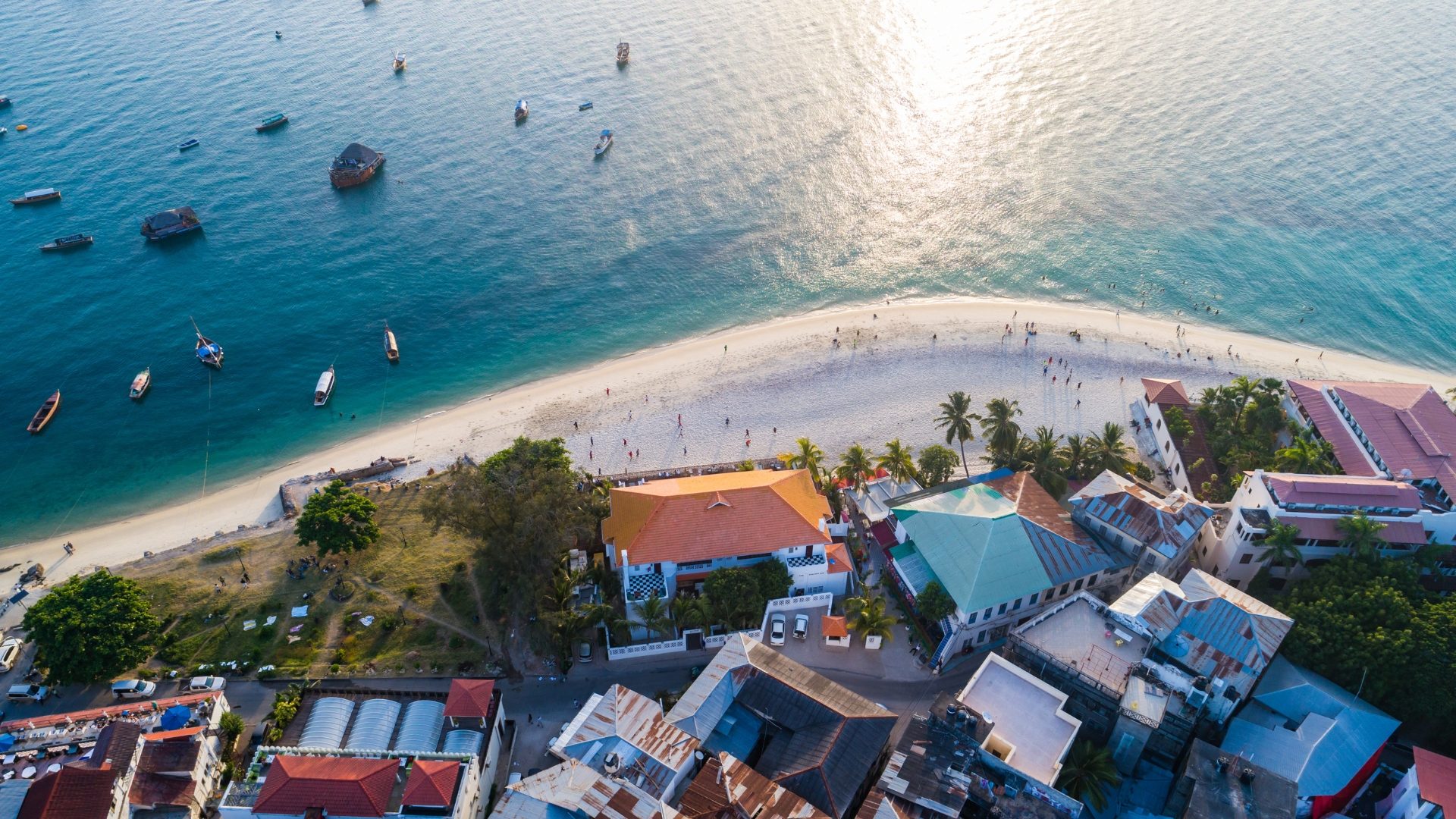
A sun-drenched archipelago in the Indian Ocean, 15 to 30 miles off the coast of Tanzania — where world-class beaches meet centuries of Swahili, Omani, Persian, Indian and European heritage.

6.1659° S, 39.2026° E

01 — Overview

The “Spice Island” — the ultimate post-safari retreat, or a destination in its own right.

Zanzibar is anchored by the main island of Unguja — usually simply called Zanzibar — and its northern sister island Pemba. This tropical enclave seamlessly blends beach luxury with centuries of Swahili, Omani, Persian, Indian and European heritage.

Renowned around the world as the "Spice Island", Zanzibar is either the perfect coastal retreat after a safari or Kilimanjaro climb, or a standalone destination for beach lovers, history enthusiasts, ocean adventurers and foodies alike.

Location
15–30 miles off mainland Tanzania
Main Islands
Unguja & Pemba
Best Time to Visit
Jun–Oct & Dec–Feb
Currency
Tanzanian Shilling (TZS)
Languages
Swahili & English

Destination Essentials

Before you goto Zanzibar

Planning a trip to Zanzibar takes a few practical steps to ensure a smooth arrival and stay.

Best Time to Visit

Jun–Oct & Dec–Feb

Zanzibar is warm year-round. June–October is the cool dry season, perfect for beaches and sightseeing; December–February is hot and dry, ideal for diving and water sports. The long rains fall March–May; the short November rains pass quickly.
Entry & Visa

Tourist visa

All foreign visitors need a Tanzania Tourist Visa — apply on the official Tanzanian e-Visa portal before departure or on arrival at major entry points. Check current requirements for mandatory inbound travel insurance or health declarations.

Health & Safety

Be prepared

A Yellow Fever certificate is mandatory if arriving from or transiting a country with Yellow Fever risk. Malaria precautions are recommended — carry DEET repellent and ask your doctor about prophylaxis. Drink bottled or purified water.

Currency & Payments

Cash is king

The local currency is the Tanzanian Shilling (TZS). US Dollars issued after 2009 are widely accepted at hotels, restaurants and tour agencies. Card terminals are rare outside major resorts; ATMs are mostly in Stone Town and larger towns.

Language

Kiswahili

Swahili is the official language and English is widely spoken in hotels, restaurants and tourist areas. A few Swahili greetings go a long way with locals.

Cultural Etiquette

Dress modestly

Zanzibar is predominantly Muslim. Swimwear is fine at resorts and on the beach, but cover shoulders and knees in Stone Town, villages and markets. Public drinking outside licensed bars and hotels is discouraged.

Say it in Swahili

JamboHello

The everyday greeting

KaribuWelcome

You will hear it everywhere

Asante sanaThank you

“Thank you very much”

Pole poleSlowly

The island pace of life

02 — Coasts & Regions

Choose yourcoastal vibe

Each region of Unguja Island has a distinct personality, coastline and tidal profile. Pick your base by whether you want energy, tranquillity or water sports.

Coast

North Coast · Nungwi & Kendwa

Lively and resort-focused, with white powder sand and non-tidal water deep enough to swim all day. Sunset dhow cruises, beach bars and nightlife. Best for couples, social travellers and luxury.

Coast

Northeast · Matemwe, Kiwengwa & Pongwe

Exclusive and serene: wide white beaches framed by palms, boutique hotels and direct access to Mnemba Atoll. Best for honeymooners, divers and peace-seekers.

Coast

Southeast · Paje, Jambiani & Michamvi

Bohemian and active, with dramatic tides revealing lagoons and seaweed farms. World-class kitesurfing in Paje, beach cafés and eco-lodges. Best for kitesurfers and adventurous souls.

Coast

West Coast · Stone Town

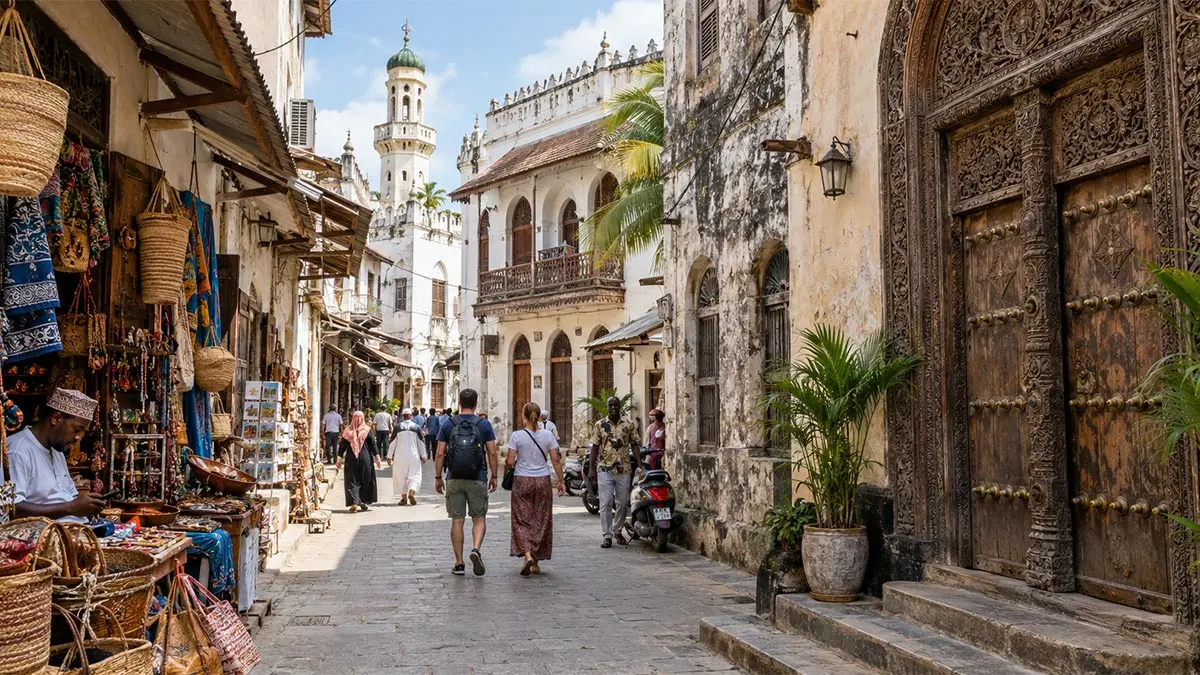
The historic heart of the islands beside the harbour and airport: winding alleys, Omani architecture, street-food markets and rooftop dining. Best for 1–2 night stopovers.

Choosing your coastal vibe

Compare thecoasts at a glance

Each region of Unguja has its own personality, coastline and tides. Choose your base by the holiday you want — lively, tranquil or active.

RegionBeachesTidesVibeBest for
North CoastNungwi & KendwaSwim all dayLively, social, resortsCouples, nightlife, luxury
Northeast CoastMatemwe, Kiwengwa & PongweModerateExclusive, sereneHoneymooners, divers
Southeast CoastPaje, Jambiani & MichamviDramatic low tidesBohemian, active, ecoKitesurfers, budget, nomads
West CoastStone TownHarbour townHistoric, cultural1–2 night stopovers

03 — Marine Life & Wildlife

Red colobus,turtles & dolphins

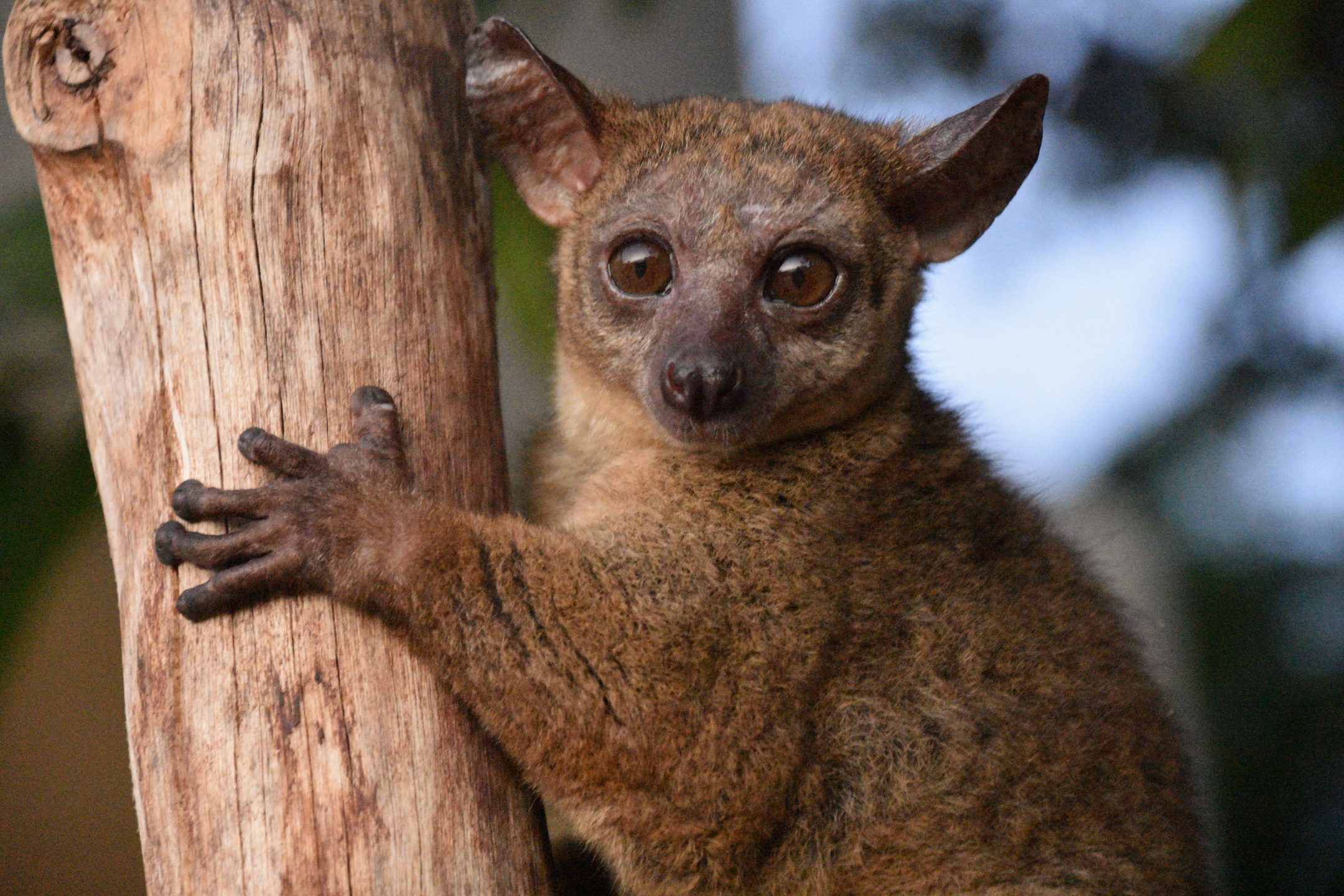
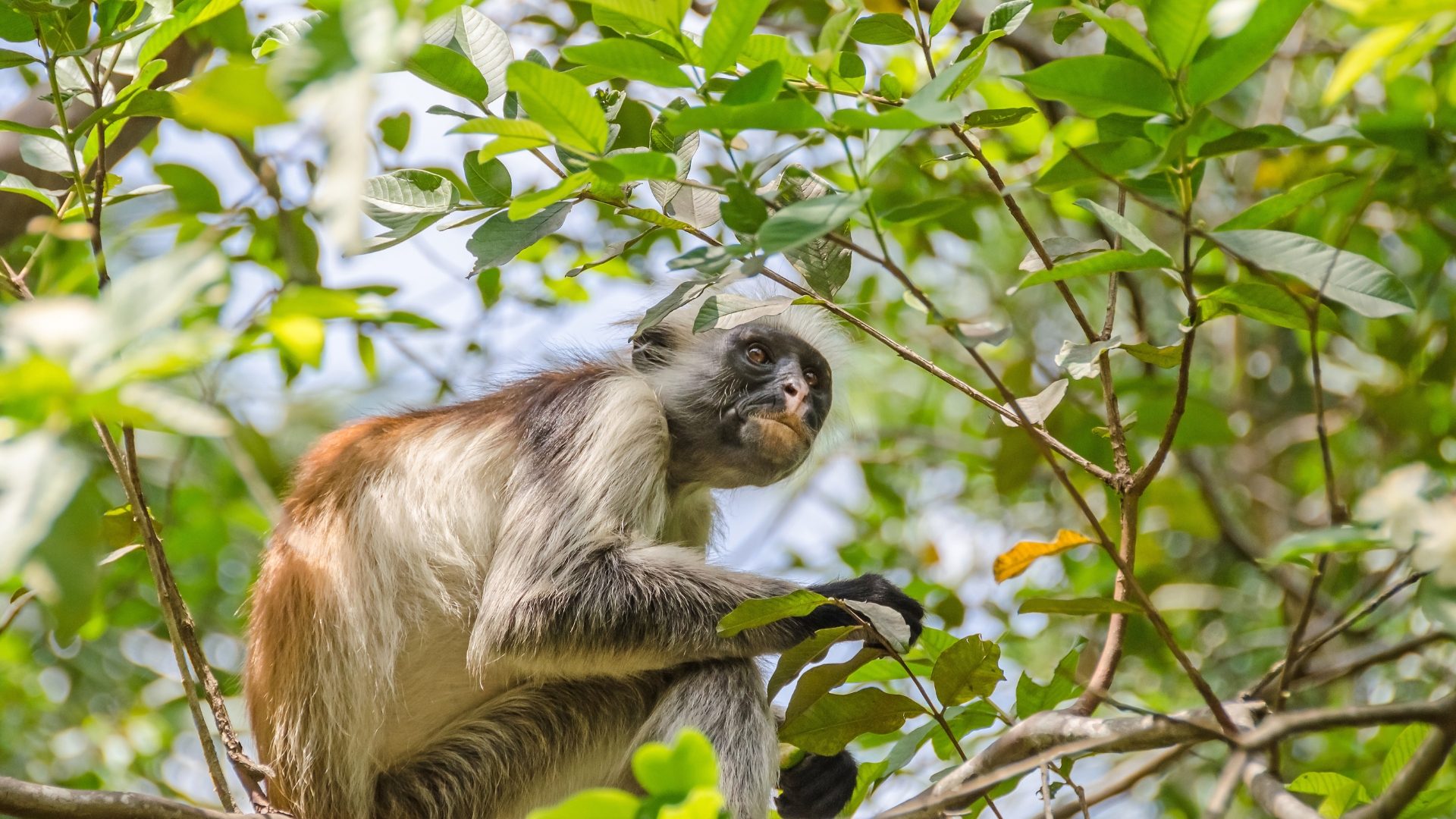
Zanzibar's only national park, Jozani Chwaka Bay, protects the endangered Zanzibar red colobus monkey — found nowhere else on Earth — alongside Sykes' monkeys, bushbabies, more than 40 bird species and a mangrove boardwalk.

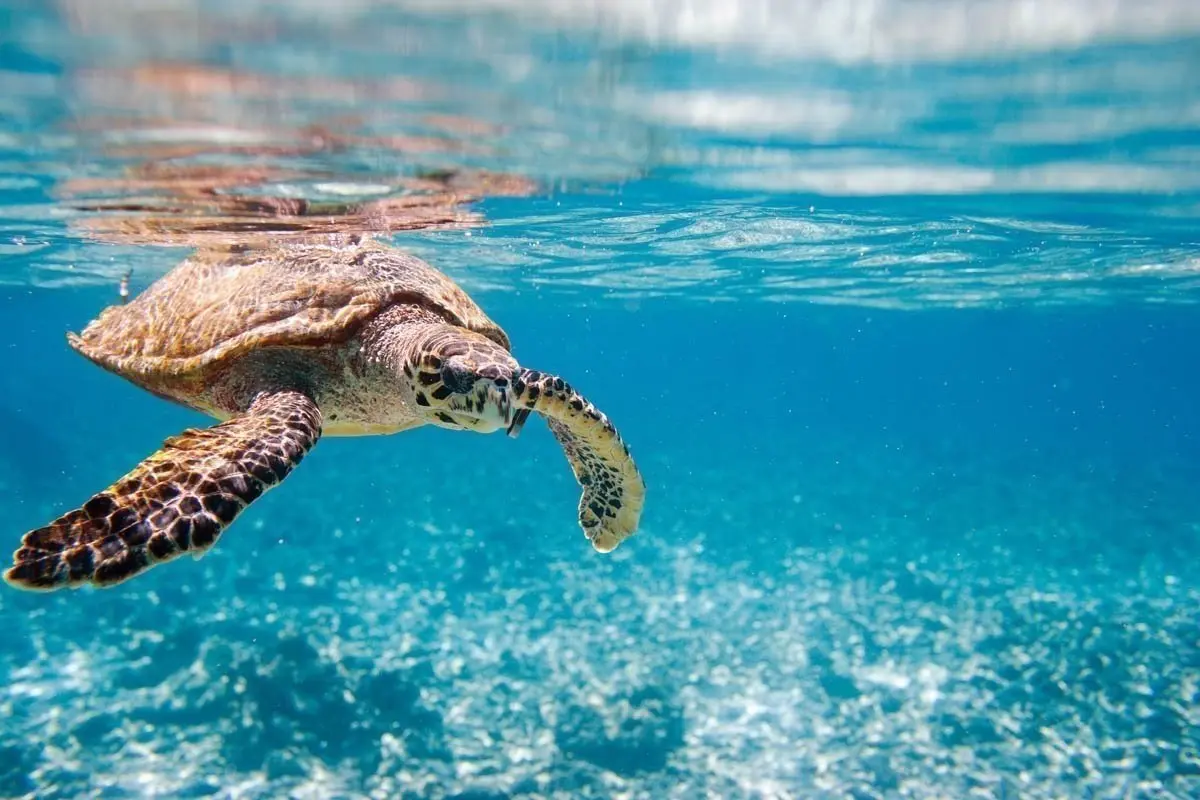
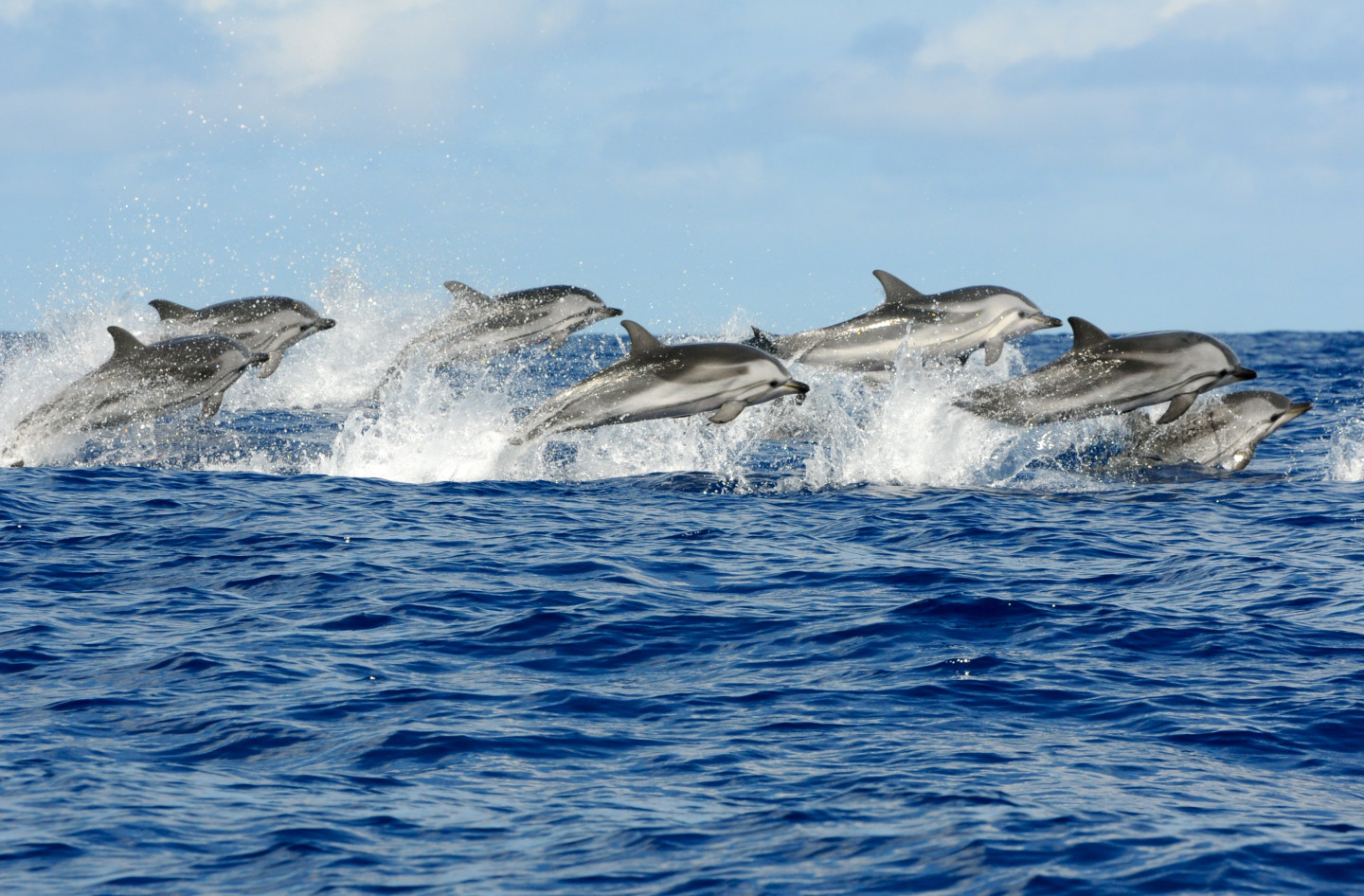
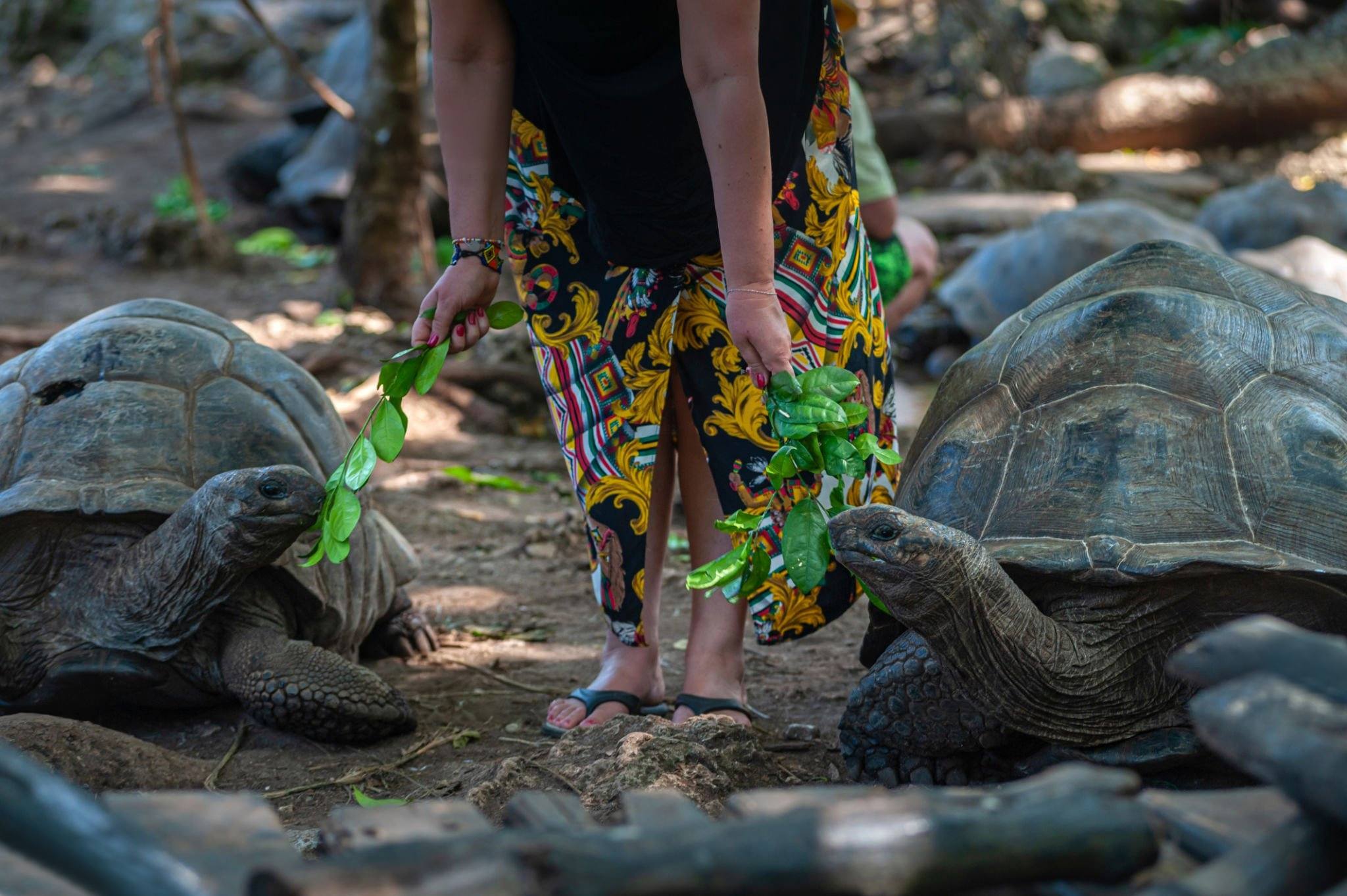
Offshore, the reefs of Mnemba Atoll and Menai Bay are home to green sea turtles, resident bottlenose dolphins, blue-spotted rays and colourful reef fish, while Prison Island shelters a colony of Aldabra giant tortoises, some well over 100 years old.

  • Zanzibar red colobus
  • Green sea turtles
  • Bottlenose dolphins
  • Aldabra giant tortoises
  • Blue-spotted rays
  • Bushbabies

Activities & Excursions

The best thingsto do in Zanzibar

From marine conservation and history to adventure and food — the island’s most iconic experiences.

Stone Town Heritage WalkUNESCO World Heritage SiteCulture

What you will see

  • Ornate carved doors: hand-carved Swahili doors with brass studs (an Indian influence) or floral motifs symbolising Omani status and wealth.
  • Former Slave Market & Anglican Cathedral: the site of the last open slave market in East Africa, its underground chambers and the memorial at Christ Church Cathedral.
  • House of Wonders & the Old Fort: the first building in Zanzibar with electricity and a lift, and the 17th-century Omani fort with artisan stalls and open-air performances.
  • Freddie Mercury Museum: the birth house of Queen’s legendary frontman, with photographs and early-life artefacts.
Safari Blue Dhow CruiseMenai Bay Conservation AreaOceanFull dayDuration

The day

  • Traditional sailing on a handcrafted wooden dhow among uninhabited islands and sandbanks.
  • Sandbanks & snorkelling over coral reefs, with occasional humpback or bottlenose dolphins.
  • Seafood banquet on Kwale Island: grilled slipper lobster, prawns, calamari, red snapper, Swahili rice and tropical fruit tasting.
  • Ancient baobab: climb a huge fallen baobab estimated to be hundreds of years old.
Mnemba Atoll Snorkel & DiveNortheast coast, off MatemweSnorkel & Dive

Why go

  • Aquarium-clear water: visibility often exceeds 20–30 metres on the shallow oval reef.
  • Marine life: green sea turtles, resident bottlenose dolphins, Moorish idols, blue-spotted rays, parrotfish and occasional reef sharks.
  • Scuba diving: wall drop-offs, caverns and coral gardens for certified divers.
  • Conservation note: the island itself is reserved for guests of the private resort; the reefs are open to eco-conscious charters.
Organic Spice Farm TourThe “Spice Island” storyFood & Spice

A sensory walk

  • Taste straight from the plant: cloves, turmeric, ginger, cinnamon bark, nutmeg and red mace, and fragrant ylang-ylang.
  • History: under 19th-century Omani sultans Zanzibar became a major global exporter of cloves, nutmeg and cinnamon.
  • Local hospitality: palm-leaf crowns and baskets woven for you, and a coconut climber singing Swahili songs before fresh coconut water (*dafu*).
Jozani Chwaka Bay National ParkZanzibar’s only national parkWildlife~50 km²Area

Highlights

  • Zanzibar red colobus monkeys: endangered, found nowhere else on Earth, with red backs, white chests and pink faces.
  • Mangrove boardwalk: learn how mangroves prevent erosion and shelter young marine life.
  • Forest life: Sykes’ monkeys, bushbabies, 40+ bird species and rare butterflies.
Prison Island & Giant TortoisesChanguu, 20 minutes from Stone TownHistory & Wildlife

Why go

  • History: acquired in 1893 as a prison for rebellious slaves, later converted into a yellow-fever quarantine station.
  • Aldabra giant tortoises: descendants of a 1919 gift from the Seychelles; several residents are over 100–150 years old. Feed them and learn about their conservation.
The Rock RestaurantMichamvi PingweDining

The experience

  • Walk across the sandbank at low tide, or take a small boat at high tide, to a restaurant on a coral outcrop in the ocean.
  • Fresh seafood with Swahili spices — rock lobster, king prawns, octopus salad and catch of the day.
  • Book well in advance — reservations are needed months ahead.
Sunset Cruises & Night MarketNungwi, Kendwa & Stone TownEvening

Evenings

  • Sunset dhow cruises along the north coast with cold drinks, live *taarab* music and fresh fruit.
  • Forodhani Gardens night market: Zanzibar pizza, grilled octopus skewers, garlic naan, sugarcane juice with ginger and lime, and banana crepes.

04 — Weather

Zanzibarweather

Zanzibar enjoys a warm tropical climate all year. June to October is the cool dry season, perfect for the beach and sightseeing, while December to February is hot and dry — ideal for diving and water sports. The long, heavy rains come from March to May; the short rains of November usually pass quickly.

Dry Season

June to October & December to February

Wet Season

March to May & November

Transportation

Getting aroundZanzibar

Mode of transportBest forWhat you need to know
Private airport transfersArrival & departurePre-book through your hotel or driver; flat rates, with pick-up outside the ZNZ terminal or ferry pier.
Local taxisPoint-to-point travelNo meters — agree the fare in USD or TZS before you get in.
Car rental / scootersIndependent exploringDrive on the left. You need an International Driving Permit plus a local temporary permit (about $10, arranged by the rental agency). Expect police checkpoints.
Dala-dalas (minibuses)Budget travellersOpen-air local minibuses on fixed routes between Stone Town and coastal villages — very cheap and authentic, but crowded and slow.
Ferries (Azam Marine)Mainland connectionsHigh-speed ferries link Dar es Salaam and Stone Town in about 1.5–2 hours, several times a day.

05 — Location

ZanzibarMap

Unguja lies in the Indian Ocean off Tanzania’s coast, a short flight from Arusha, Kilimanjaro and the Serengeti.

Zanzibar

Open in Google Maps

Travel Itinerary Options

How to spendyour days

Two ready-made ideas — a quick highlight trip and the full island experience. We tailor either one to your dates and budget.

  1. 1Day 1

    Stone Town

    Arrive at Abeid Amani Karume Airport and check in to Stone Town. Heritage walking tour, then dinner at the Forodhani Gardens night market.

  2. 2Day 2

    Tortoises, spices & sunset

    Morning at Prison Island with the giant tortoises, an afternoon spice farm tour, then transfer north to Nungwi for a sunset dhow cruise.

  3. 3Day 3

    Nungwi beach

    Relax on Nungwi Beach and swim in the non-tidal water before your flight or ferry.

7-Day Ultimate Zanzibar Experience

  1. 1Day 1

    Arrival & Stone Town

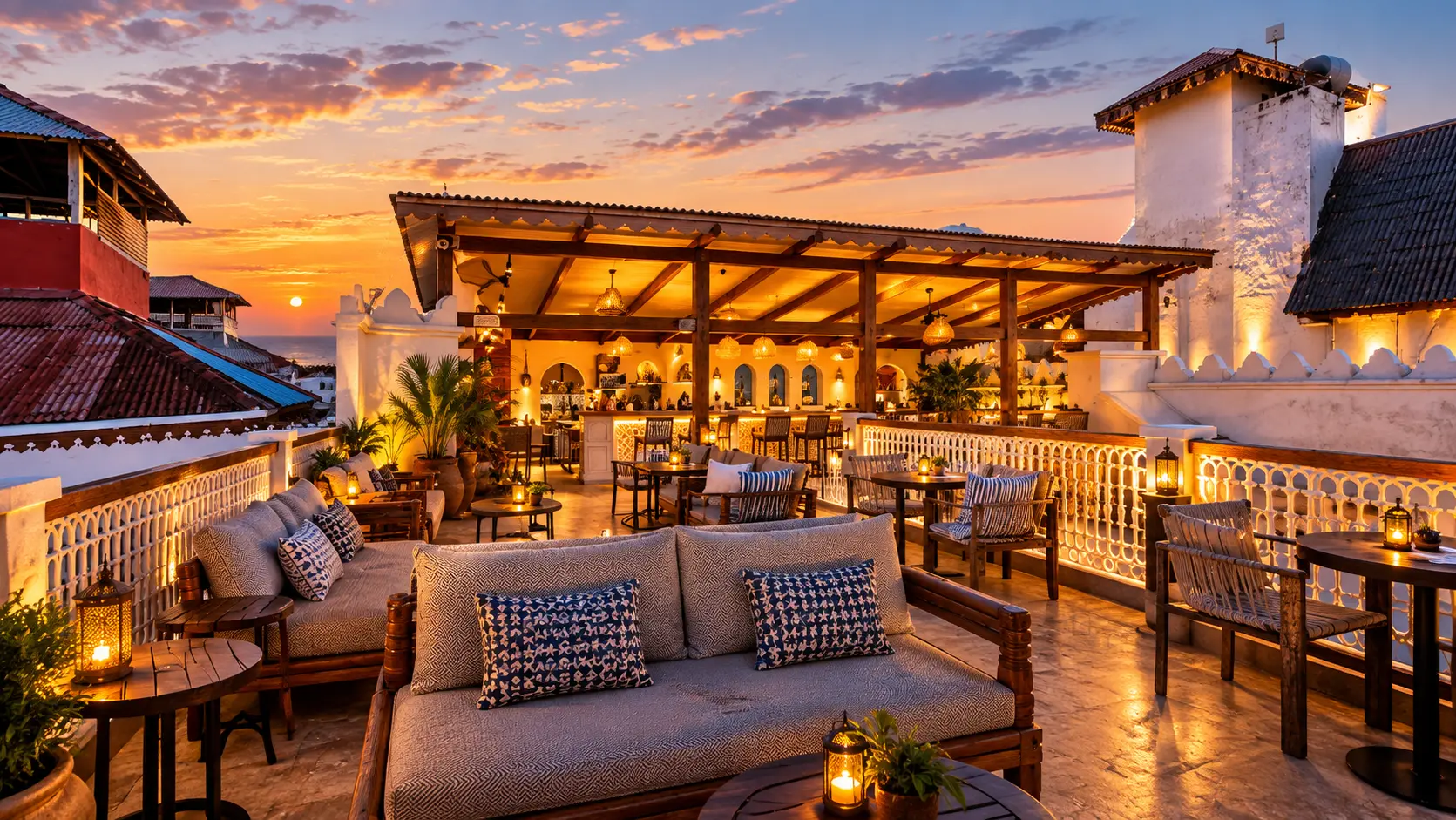
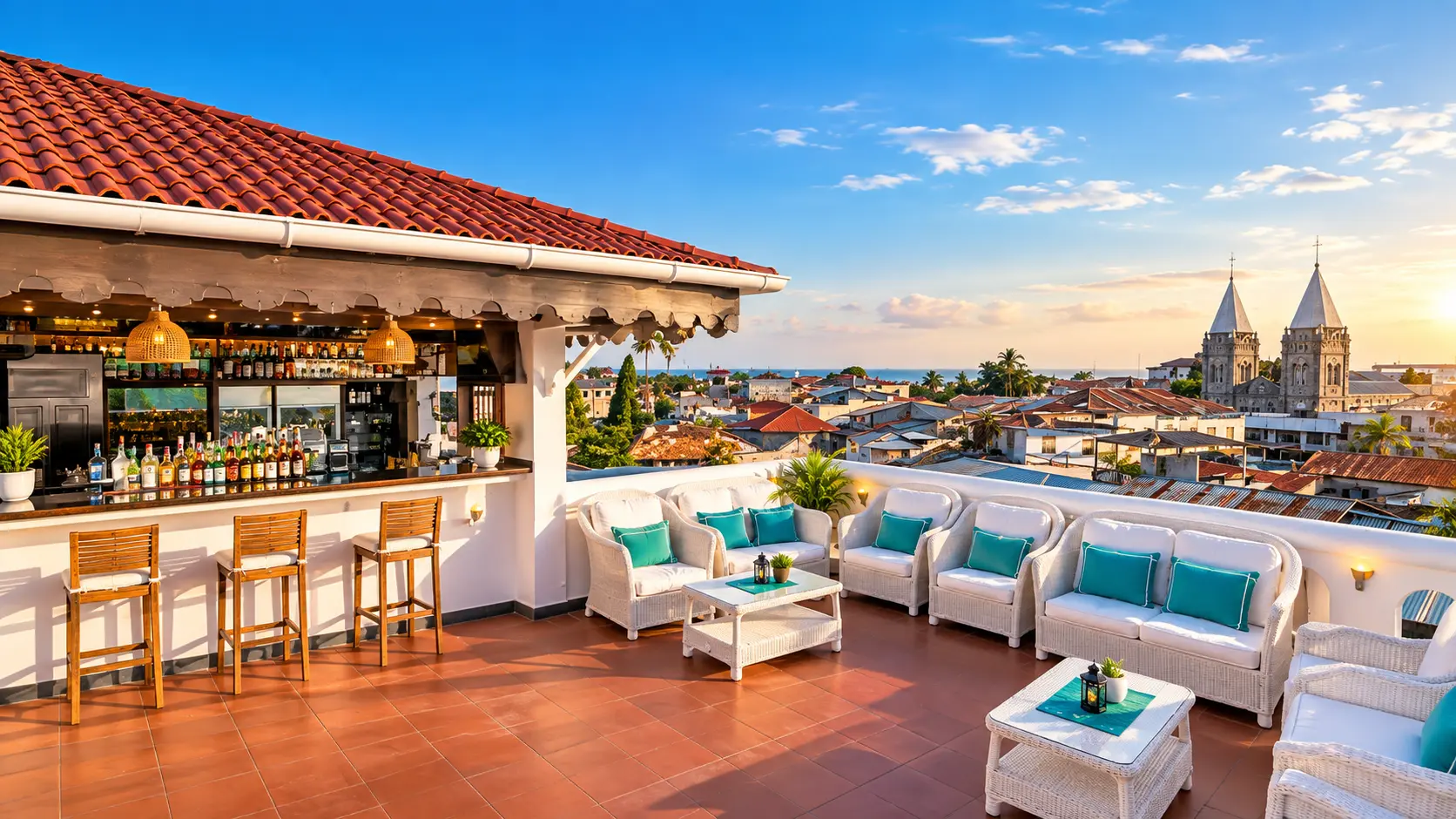
    Explore Stone Town and enjoy a rooftop dinner overlooking the harbour.

  2. 2Day 2

    Safari Blue

    Full-day Safari Blue sailing trip in Menai Bay, then transfer to the east coast (Paje or Jambiani).

  3. 3Day 3

    Jozani & The Rock

    Morning in Jozani Chwaka Bay National Park; lunch at The Rock Restaurant in Michamvi.

  4. 4Day 4

    Beach & ocean

    Kitesurfing lesson, ocean kayaking, or a lazy day on the beach in Paje or Jambiani.

  5. 5Day 5

    Spice farm & north

    Transfer to the north coast via a spice farm tour.

  6. 6Day 6

    Mnemba Atoll

    Morning snorkelling charter to Mnemba Atoll; afternoon on Kendwa Beach with sunset cocktails.

  7. 7Day 7

    Souvenirs & departure

    Shop for spices, kanga fabrics and Tanzanite in Stone Town before your flight.

More Facts

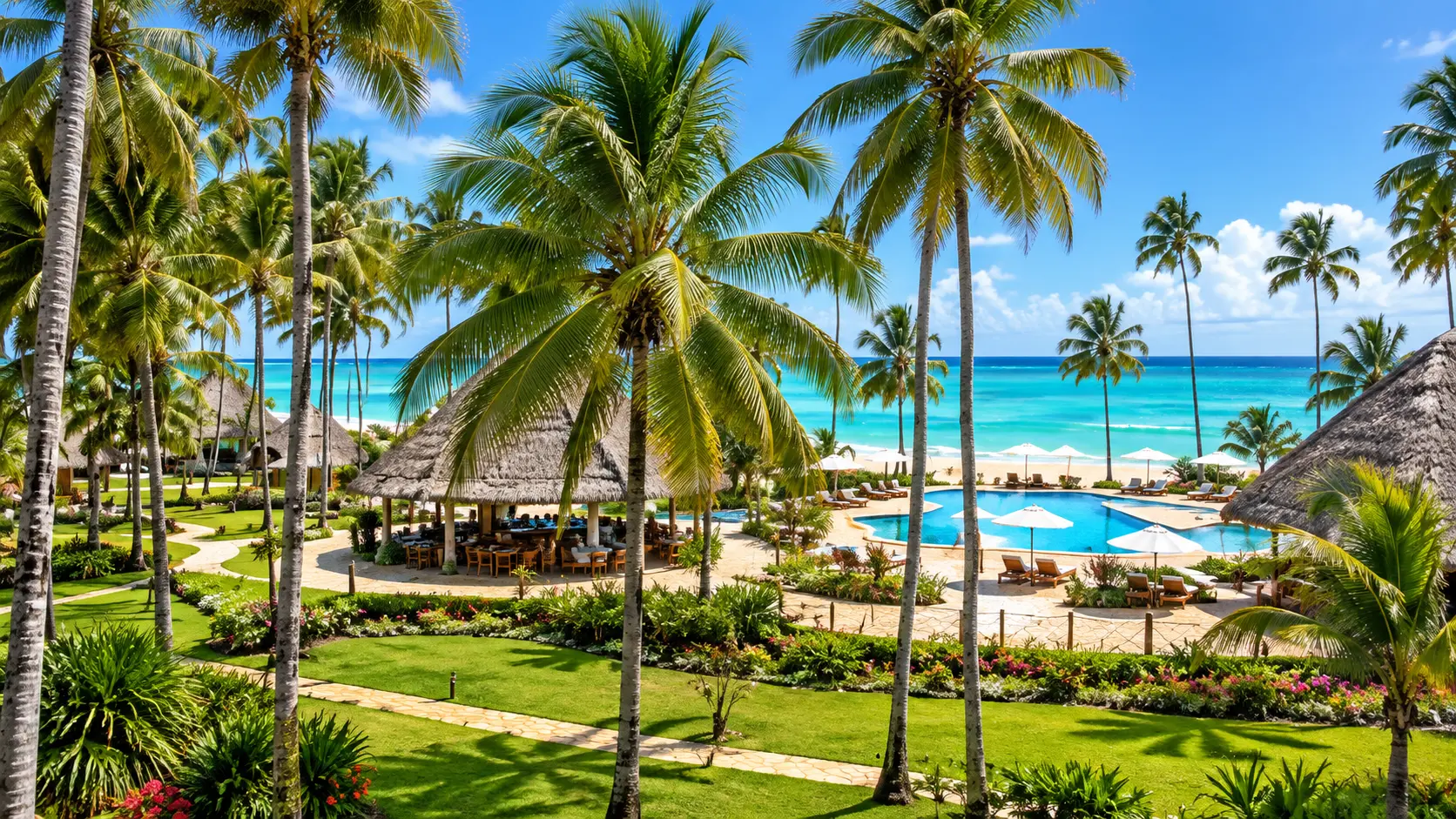
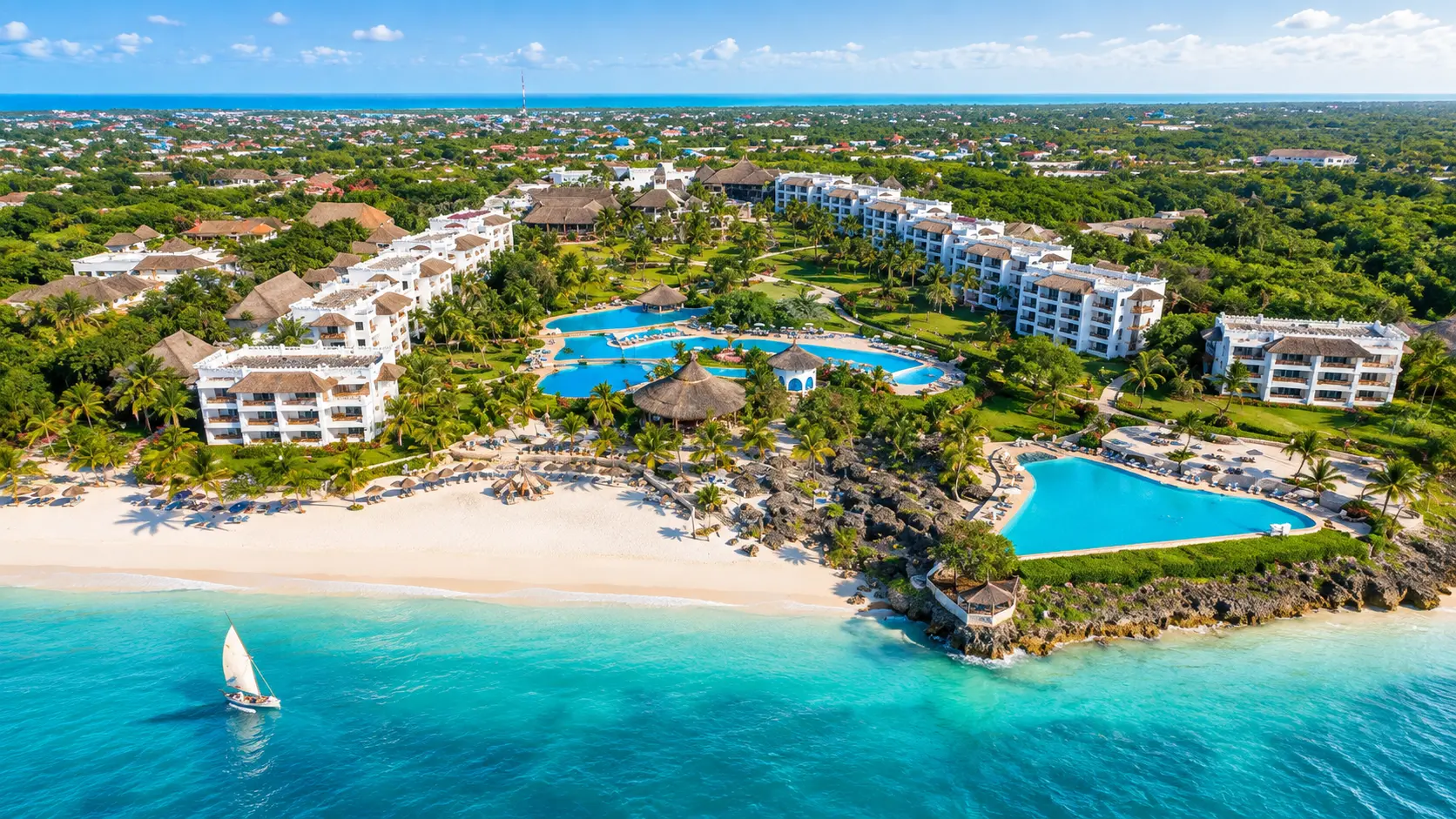
Where to stayin Zanzibar

Zanzibar caters to every style and budget — from barefoot eco-lodges to palace hotels.

  1. 01

    Luxury Beach Resorts

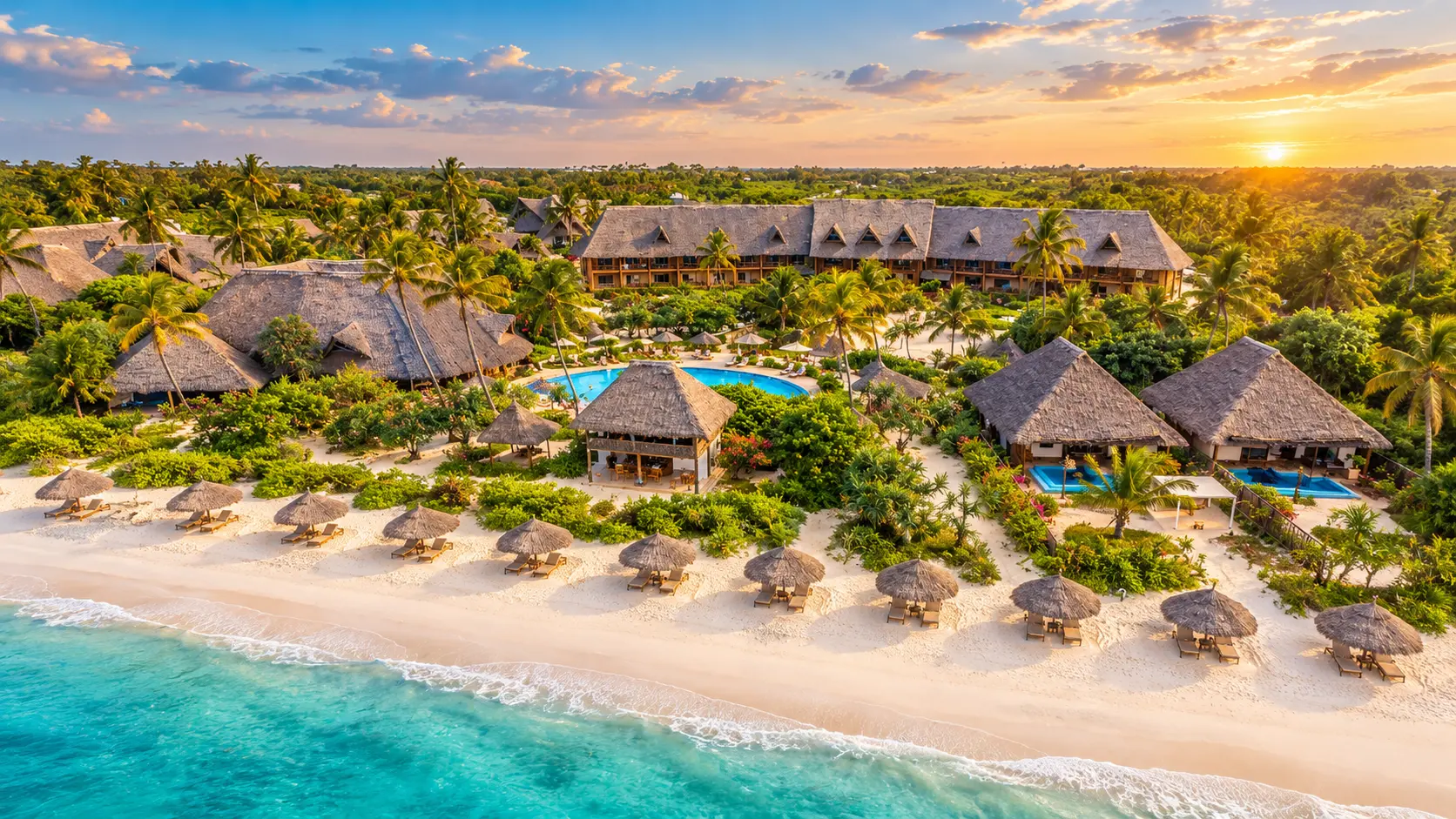
    5-star properties in Nungwi, Kendwa and Matemwe with private plunge pools, spas, butler service and private beach access.

  2. 02

    Boutique Eco-Lodges

    Low-impact wooden villas and thatched bungalows in Paje, Jambiani and Michamvi, focused on sustainability, farm-to-table Swahili food and intimate service.

  3. 03

    Historic Stone Town Hotels

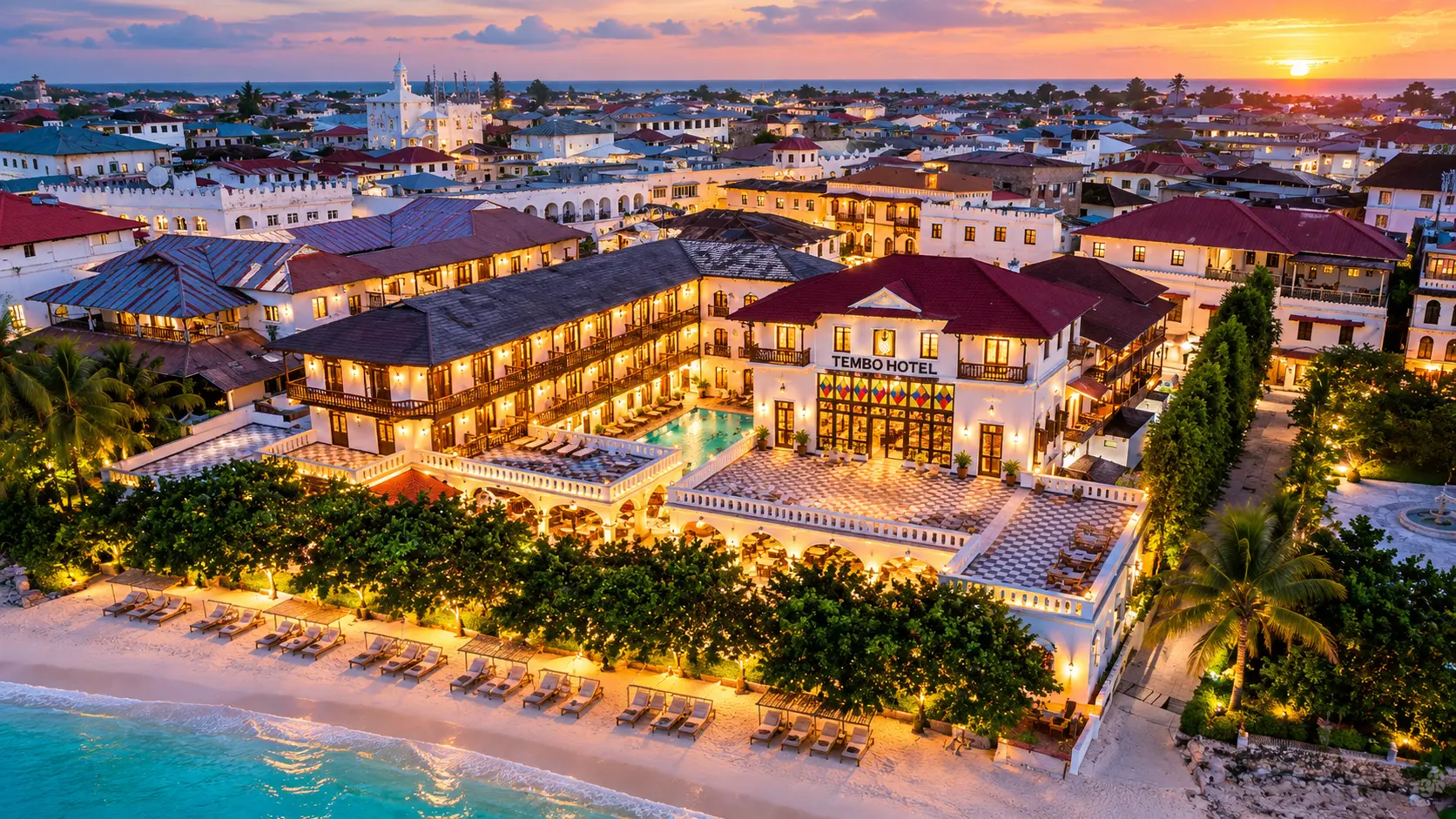
    Restored Omani palaces and Swahili merchant houses with courtyard pools, carved poster beds and rooftop breakfast terraces.

  4. 04

    Hostels & Guesthouses

    Budget-friendly, social stays steps from the water in Paje and Nungwi, with shared kitchens and group excursions.

Safari & Beach

The perfect end to a Tanzania safari

Most of our travellers finish a Serengeti and Ngorongoro safari — or a Kilimanjaro climb — with a few days on Zanzibar. We arrange the flight, transfers and your beach stay in one plan.

06 — FAQ

ZanzibarFAQs

Practical answers for planning your island stay.

Planning your trip

When is the best time to visit Zanzibar?

Zanzibar is warm year-round. The dry seasons — June to October (cool and dry, perfect for beaches and sightseeing) and December to February (hot and dry, ideal for diving and water sports) — bring clear skies and low humidity. The long rains fall from March to May; the short November rains usually pass quickly.

Do I need a visa for Zanzibar?

Yes. All foreign visitors need a Tanzania Tourist Visa, available on the official Tanzanian e-Visa portal before departure or on arrival at major entry points. Also check current requirements for inbound travel insurance or health declarations.

Which part of Zanzibar should I stay in?

The north coast (Nungwi & Kendwa) is lively with swimming all day; the northeast (Matemwe, Kiwengwa) is quiet and close to Mnemba Atoll; the southeast (Paje, Jambiani, Michamvi) has dramatic tides, kitesurfing and eco-lodges; Stone Town is ideal for 1–2 nights of history and culture.

How do I get from the mainland to Zanzibar?

Fly into Abeid Amani Karume Airport (ZNZ) from Arusha, Kilimanjaro, the Serengeti or Dar es Salaam, or take a high-speed Azam Marine ferry from Dar es Salaam to Stone Town in about 1.5–2 hours.

On the island

Which currency should I bring?

The Tanzanian Shilling (TZS) is the local currency, and US Dollars issued after 2009 are widely accepted. Cash is king — card terminals are rare outside major resorts and ATMs are mostly in Stone Town and larger towns.

What should I wear in Zanzibar?

Swimwear is fine at resorts and on the beach. In Stone Town, villages and markets, cover your shoulders and knees out of respect for local culture, as Zanzibar is predominantly Muslim.

Is Zanzibar safe and healthy to visit?

Yes, with sensible precautions. Take malaria precautions (DEET repellent and advice on prophylaxis from your doctor), drink bottled or purified water, and bring a Yellow Fever certificate if you arrive from or transit a country with Yellow Fever risk.

How do I get around Zanzibar?

Pre-booked private transfers are easiest. Taxis have no meters, so agree the fare first; car or scooter rental needs an International Driving Permit plus a local temporary permit; dala-dala minibuses are cheap but crowded.

Experiences

What are the must-do experiences?

A Stone Town heritage walk, the Safari Blue dhow cruise, snorkelling at Mnemba Atoll, a spice farm tour, the red colobus monkeys in Jozani Forest, the giant tortoises on Prison Island, a meal at The Rock and a sunset dhow cruise.

Can I combine Zanzibar with a safari or Kilimanjaro?

Absolutely — it is the classic way to finish a Tanzania trip. Our Safari & Zanzibar packages include the domestic flight, transfers and your beach stay after the safari.

Explore Trekking Adventure

Ready for the Spice Island?

Tell us your dates and the kind of beach holiday you want. We’ll match you with the right coast, hotel and excursions — with no pressure to book.

Coasts to choose from
4
Signature experiences
8+
Local support
24/7