Can you climb without a guide?
LawNo. Tanzanian law mandates a licensed guide for all climbers. Solo climbing is strictly prohibited.
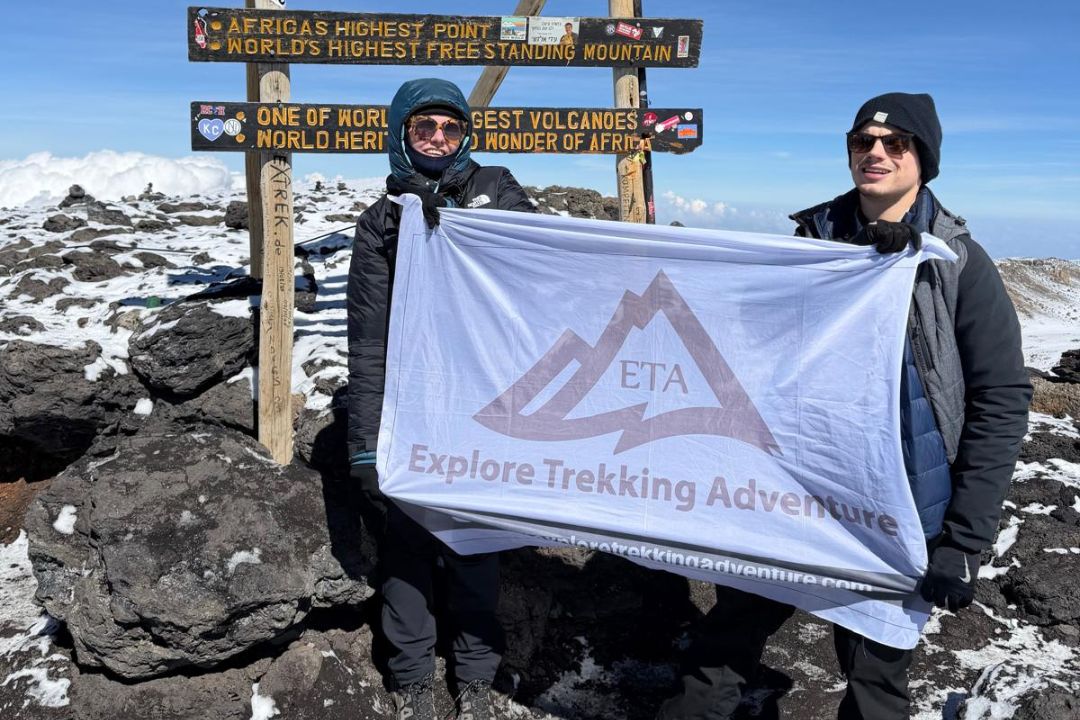
Kilimanjaro Tour Operators · Tanzania, East Africa
Routes, costs, success rates & best time to climb. Everything you need to know — from first question to standing on Uhuru Peak (5,895m).
3.0674° S, 37.3556° E
THE ROOF OF AFRICA
Quick answers
No. Tanzanian law mandates a licensed guide for all climbers. Solo climbing is strictly prohibited.
Anyone aged 10+ with determination. No technical experience required — just fitness and mental resilience.
01 — Overview
Known as the “Roof of Africa” — a journey from equatorial rainforest to arctic ice in a single trek.
Kilimanjaro is a dormant stratovolcano made up of three volcanic cones — Kibo, Mawenzi, and Shira — with Kibo's crater rim, Uhuru Peak, marking the true summit.
Unlike most mountains of its height, Kilimanjaro requires no technical climbing skills or specialized mountaineering equipment, making it accessible to determined trekkers of ordinary fitness — though its extreme altitude still demands proper acclimatization and preparation. The climb passes through five distinct climate zones in a matter of days. Roughly 30,000 people attempt the summit each year, and Kilimanjaro National Park, established in 1973, was declared a UNESCO World Heritage Site in 1987.
Beginner's Guide
Unlike technical mountains like Everest, Mount Kilimanjaro is a trekking peak. It demands strong determination, mental resilience, and physical preparation — but no rock climbing skills.
The guiding philosophy of Kilimanjaro. A deliberate, slow pace is the single most effective way to reach Uhuru Peak safely.
Our Commitment
On Kilimanjaro and Mount Meru, a great climb depends on quality meals, reliable equipment, and a crew that is genuinely respected — from summit day to the walk back down.
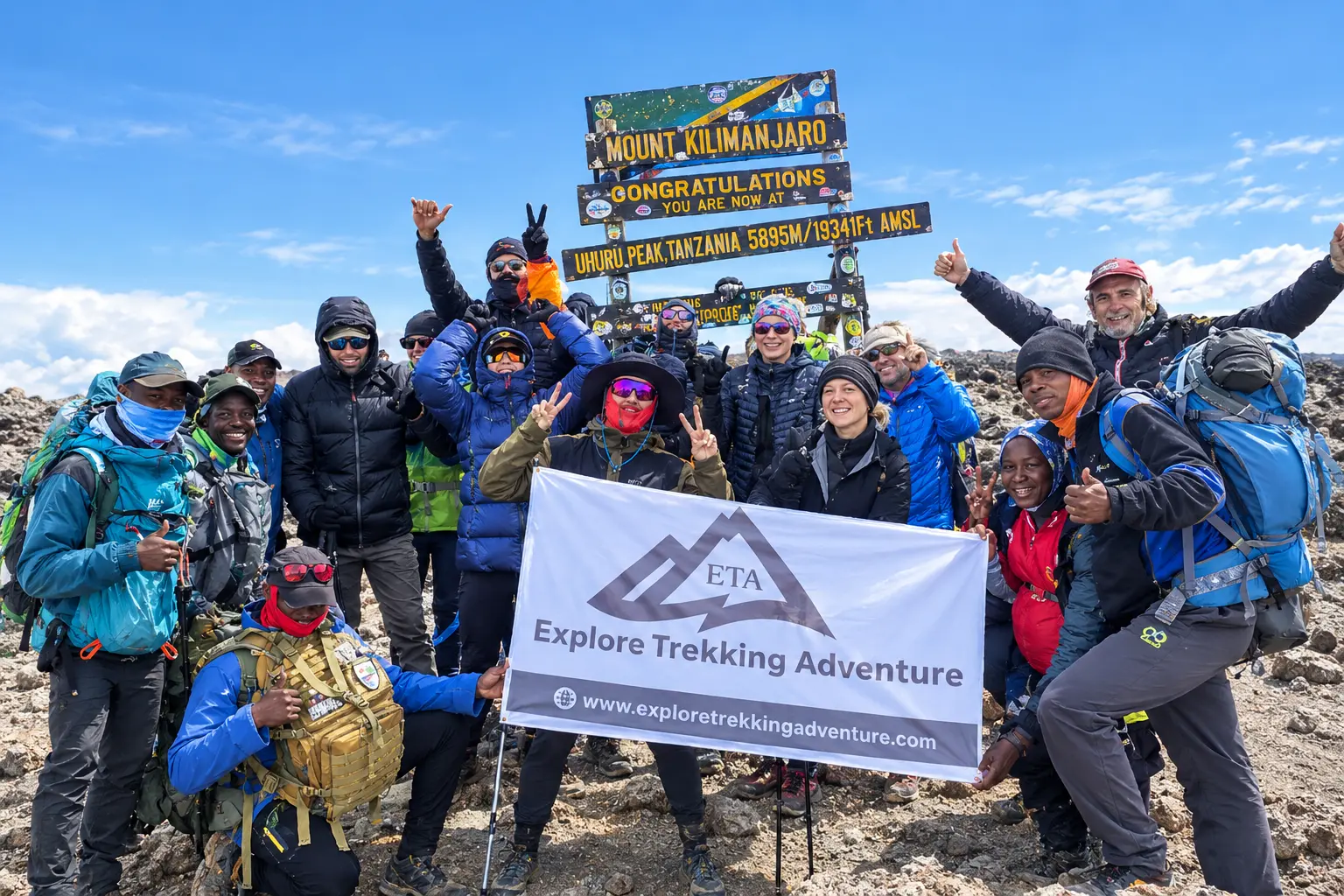
Whether you are climbing Kilimanjaro or trekking Mount Meru, expect freshly prepared, balanced meals every day of your expedition — along with high-quality camping equipment and comfortable mountain tents.
Our guides and porters receive sufficient, nutritious meals on every expedition. We maintain fair wages, timely payments, and professional working conditions — because a motivated, healthy crew is what makes every climb possible.
Booking with Explore Trekking Adventure means supporting a company that values clients, guides, and porters equally. Our commitment to safety, ethical staff treatment, and genuine service creates experiences that stay with you long after the summit.
Every Kilimanjaro trek and Tanzania safari you book gives your journey a deeper purpose. We support girls from rural, disadvantaged families by providing essential sanitary items, helping them stay clean, healthy, and consistently in school.
Seasons & Weather
The best time to climb is during the dry seasons: January–March and June–October, when weather is more stable, skies are clearer, and trails are safer. While Kilimanjaro can be climbed year-round, the rainy seasons in April, May, and November bring wetter and more challenging conditions.
Low rainfall means less slippery paths and significantly reduced risk of accidents on steep sections.
Clear skies give you unobstructed views of the summit, glacier, and the sweeping plains of Tanzania below.
Dry season climbers consistently achieve higher summit success rates due to stable, predictable weather.
Warm, mostly dry
Warm, clear skies
Increasing rainfall
Heavy rain
End of rainy season
Dry season begins
Cool and dry
Dry, clear views
Dry, slightly warmer
End of dry season
Short rains
Dry period begins
Climbing Kilimanjaro
Every price is all-inclusive. No surprises at the trailhead.
Travel Requirement for Tanzania
Effective for all foreign visitors entering Mainland Tanzania (except EAC and SADC citizens). You must have valid travel insurance before or upon arrival, costing USD $44 and valid for up to 92 days.
Issued by the National Insurance Corporation (NIC) under the supervision of the Tanzania Insurance Regulatory Authority (TIRA). Get covered before your journey.
Official Paths
Routes with more days provide better acclimatization, which significantly increases your chances of reaching Uhuru Peak safely.
| Route | Duration | Success Rate | Difficulty | Primary Failure Cause |
|---|---|---|---|---|
| Northern Circuit | 8–10 days | 95–98% | Moderate | Time constraints |
| Lemosho | 7–8 days | 90–97% | Moderate | AMS (Altitude Sickness) |
| Machame | 6–7 days | 85–94% | Strenuous | Rapid ascent issues |
| Rongai | 6–7 days | 80–90% | Easy Gradient | Fatigue & cold shocks |
| Shira | 7–8 days | ~80% | Strenuous | Rapid altitude jumps |
| Marangu | 5–6 days | 70–85% | Easy Gradient | Poor acclimatization |
| Umbwe | 6 days | 65–75% | Extreme | Severe rapid AMS |
⏱ 8–10 days · Difficulty: Moderate
The Northern Circuit is Kilimanjaro's longest, newest, and most complete wilderness trail. By wrapping entirely around the quiet northern slopes near the Kenyan border, it offers unmatched 360-degree vistas and an evolutionary acclimatization timeline that delivers the highest summit success rates on the mountain.
First-timers, safety-conscious climbers, and those wanting a true wilderness experience away from the crowds.
⏱ 7–8 days · Difficulty: Moderate
Lemosho is widely celebrated as the most scenic and rewarding path up Kilimanjaro. Starting on the tranquil western side of the mountain, it advances through pristine, untamed rainforests before traversing the spectacular Shira Plateau and merging into the southern circuit line.
Trekkers wanting the ideal balance of pristine scenery, fantastic photo opportunities, and superb acclimatization pacing.
⏱ 6–7 days · Difficulty: Strenuous
Nicknamed the "Whiskey Route," Machame is a classic, high-energy trek that approaches from the south. It offers a faster, steeper, and more physically engaging ascent profile through striking alpine ridges, making it the top choice for active global adventurers.
Fit, active hikers who enjoy physically engaging climbs and a lively, social trail community.
⏱ 6–7 days · Difficulty: Easy Gradient
The Rongai route is the only trail that initiates from the northern side of Kilimanjaro, near the international border with Kenya. Because it sits directly inside the mountain's rain shadow, it offers a flatter, drier, and more sheltered trek compared to the southern trails.
Climbers looking for an easier physical grade, or those trekking during the wetter shoulder months.
⏱ 7–8 days · Difficulty: Strenuous
Shira is an older, high-altitude trail that shares much of its path with Lemosho. However, instead of starting low in the forest, a 4x4 vehicle transports climbers directly up to the Shira Gate at 3,500 meters, trading early rainforest walks for immediate alpine exposure.
Experienced high-altitude hikers who want a faster gateway to the high heather and moorland zones.
⏱ 5–6 days · Difficulty: Easy Gradient
Famously tagged the "Coca-Cola Route," Marangu is Kilimanjaro's most historic path. It is characterized by its gentle, uniform slopes and holds the unique distinction of being the only route up the mountain that provides communal, permanent A-frame sleeping huts instead of wilderness tents.
Climbers looking to avoid sleeping in tents, preferring solid roof accommodation and a straight, direct path.
⏱ 6 days · Difficulty: Extreme
Umbwe is notorious as the steepest and most punishing path on Mount Kilimanjaro. It launches a hyper-direct vertical assault straight up the southern face, forcing minimal switchbacks and rapid elevation gains that challenge even seasoned mountaineers.
Advanced, elite high-altitude mountaineers seeking a severe, extreme physical challenge.
Financial Planning
The total cost ranges from USD 2,000 to USD 6,000+ per person. Legitimate packages are built on fixed, publicly-mandated TANAPA fees. If a price is advertised below the baseline, suspect illegal operations or crew exploitation.
| Fee Category | Cost (USD) |
|---|---|
| Conservation Entry Fee | $70.00 / climber / day |
| Camping Site Fee | $50.00 / climber / night |
| Hut Accommodation (Marangu only) | $60.00 / climber / night |
| Rescue Service Fee | $20.00 flat / climber / trip |
| Value Added Tax (VAT) | 18% on total fees |
Solo climber on 7-day Lemosho with 1 lead guide, 1 chef & 3 porters: allocate USD 450–600 in tips.
US Dollars are widely accepted. Bills must be crisp, un-torn, and printed after 2013. Use Tanzanian Shillings (TZS) from ATMs in Moshi or Arusha for small purchases.
⚡ Verified Expedition Planning
Connect instantly with our certified team in Moshi. Get a real-time, transparent breakdown of logistics, seasonal weather pacing guidelines, and availability for your requested dates.
Average response time: < 15 minutes
Northern Circuit
Altitude Medicine
At 5,895m, atmospheric pressure is halved — each breath contains 50% less oxygen density than at sea level. Understanding Acute Mountain Sickness (AMS) is essential for every climber.
Light headache, mild fatigue, slight dizziness, minor appetite loss. Common above 3,500m. Manageable with hydration and pacing.
Persistent severe headache, nausea, vomiting, shortness of breath during minor exertion. Requires close guide monitoring.
Inability to walk straight (ataxia), confusion, extreme lethargy, or persistent cough with pink sputum. Requires immediate descent.
A deliberate, slow pace limits exertion, keeping your heart rate manageable and helping your lungs process available oxygen efficiently.
Hiking higher during the day (e.g., Lava Tower at 4,630m) then descending to sleep lower (e.g., Barranco Camp at 3,900m) stimulates EPO release, signaling your bone marrow to produce more red blood cells.
Consume 4–5 liters of purified water daily. Prioritize complex carbohydrates to fuel increased metabolic demands at altitude. Avoid alcohol entirely.
A prescription medication that accelerates chemical acclimatization by causing metabolic acidosis, forcing your brain to increase respiration rate. Reduces risk of mild-to-moderate AMS by roughly 50%. Side effects: frequent urination and tingling in the extremities.
Relies on a slower, rigid itinerary without chemical support. Best achieved through longer routes — the Northern Circuit (9 days) and 8-day Lemosho are the gold standard for natural acclimatization.
| Symptom | Normal | Danger Sign |
|---|---|---|
| Headache | Mild, managed by hydration | Severe, unresponsive to meds |
| Respiration | Heavy breathing on exertion | Pink frothy cough (HAPE) |
| Appetite | Minor loss — manage with snacks | Persistent vomiting |
| Neurology | Occasional sleep disruption | Confusion / loss of balance (HACE) |
Gear & Layering
Five climate zones demand technical layering to manage body heat. Cotton must never be worn on Kilimanjaro — it absorbs moisture and retains cold. Use polyester, nylon, and merino wool throughout.
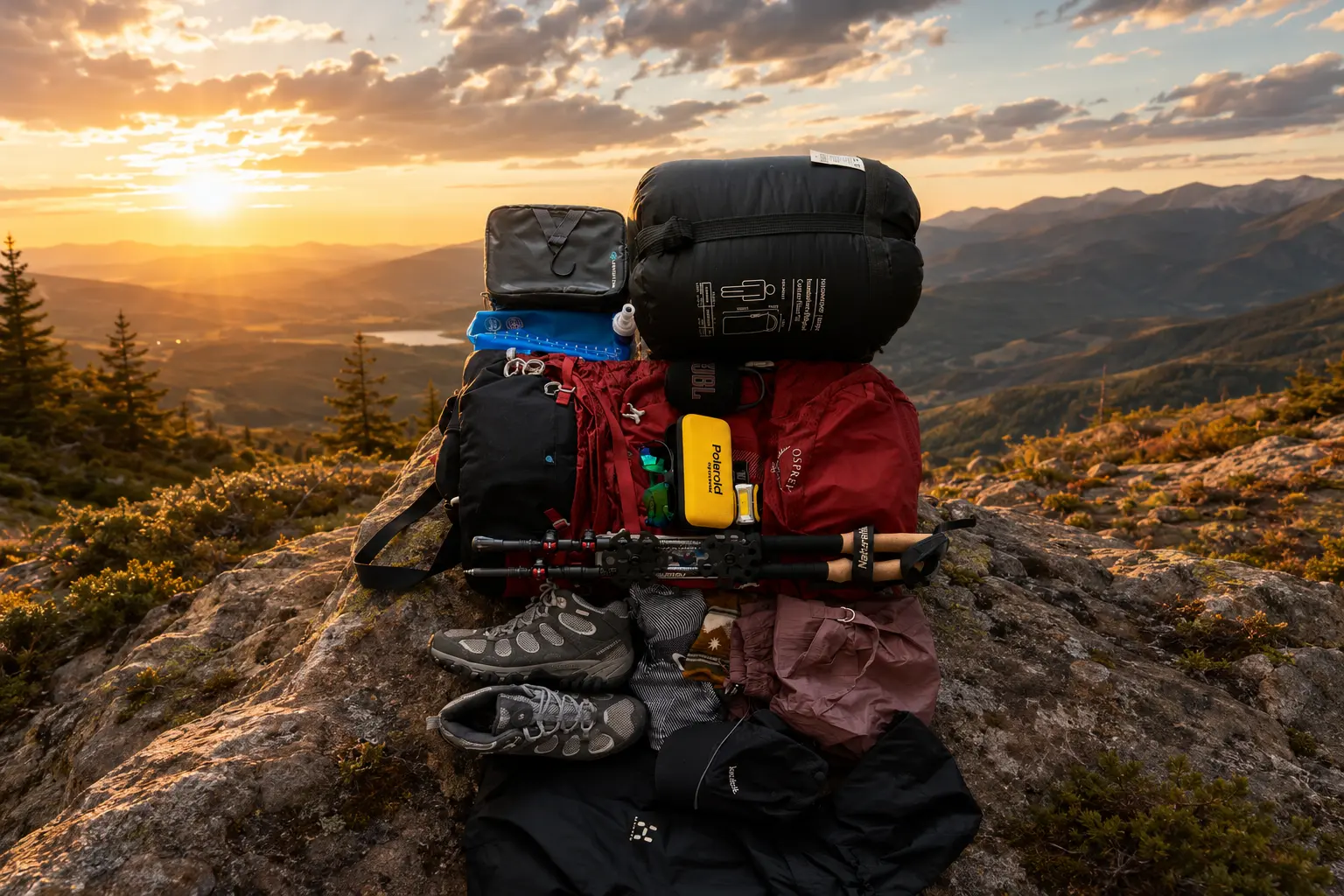
80–120L waterproof, strictly max 15 kg / 33 lbs.
30–40L with rain cover — daily layers, snacks, camera, water.
Adjustable with rubber tips; aluminum (durable) or carbon fiber (light).
3L hydration bladder + 1L Nalgene; insulated sleeve essential on summit night.
Climate Zones
Elevation: 800m – 1,800m · Expected Temp: 21°C – 27°C
The lowest tier of the mountain, characterized by rich, fertile volcanic soil, sprawling coffee and banana plantations, and local farming villages at the mountain base. This zone receives ample rainfall and remains warm throughout the year.
Elevation: 1,800m – 2,800m · Expected Temp: 15°C – 20°C
A beautiful, misty montane forest thick with dense canopy flora, moss-covered towering trees, and frequent rainfall. The moisture creates a highly atmospheric, primeval setting that marks the official beginning of the wilderness trails.
Elevation: 2,800m – 4,000m · Expected Temp: 10°C – 15°C
As the rainforest clears, you enter an expansive, raw landscape of giant heather bushes and open meadows. The temperature starts dropping noticeably, and the thinning atmosphere offers your first unobstructed vistas of Kibo's peak.
⚠️ Night Alert: Temperatures routinely plunge below freezing (<0°C) as soon as the sun dips below the horizon.
Elevation: 4,000m – 5,000m · Expected Temp: Near-freezing
A harsh, desolately beautiful volcanic landscape with almost no organic plant life. This zone experiences extreme weather swings—intense, burning solar radiation throughout the day, followed immediately by bitter, sub-zero freezes overnight.
Elevation: 5,000m – 5,895m · Expected Temp: -15°C to -25°C
The ultimate high-altitude, sub-zero arctic environment. Composed entirely of loose volcanic gravel, permanent glaciers, and towering walls of ice, this zone represents the final, demanding stretch toward Uhuru Peak.
Ethical Tourism
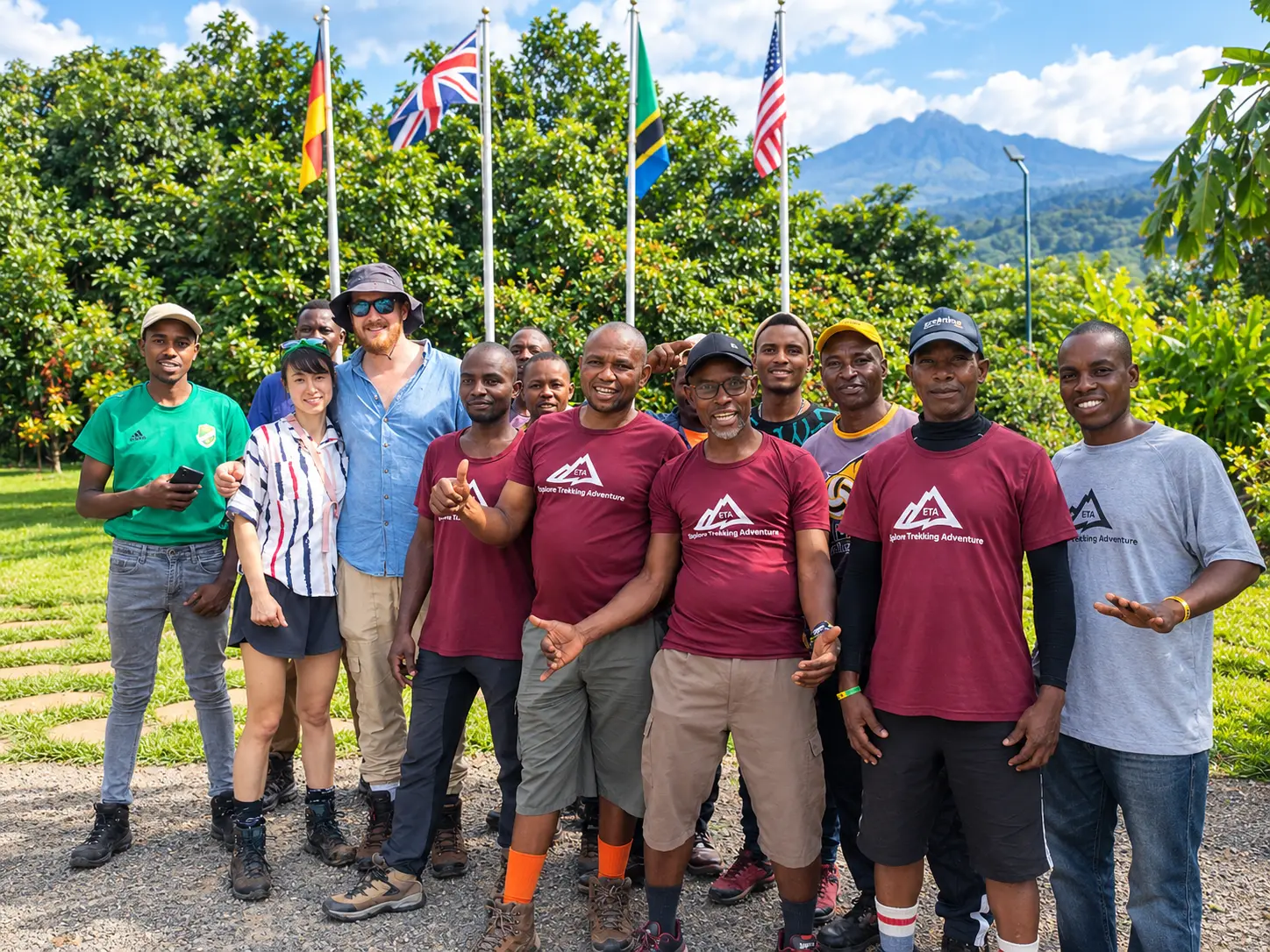
Explore Trekking Adventure holds all mountain operations to the highest independent ethical standards. Twice-daily medical checks using pulse oximeters and the Lake Louise Scoring System are conducted by lead guide Martin for total crew safety.
Pre-Departure Checklist
Ensure your documentation, cross-border visas, and medical entry immunization records strictly align with Tanzanian immigration mandates before boarding.
Valid 6+ months beyond departure date. Minimum 2 blank facing pages required for immigration stamps.
$50 for most nationalities / $100 for US citizens. Apply via the official e-visa online portal 2–3 weeks before travel.
Required only if arriving from or transiting 12+ hours through a Yellow Fever virus transmission country.
Prevalent below 1,800m. Malarone or Doxycycline are strongly recommended for your time in Moshi or Arusha.
Physical Preparation
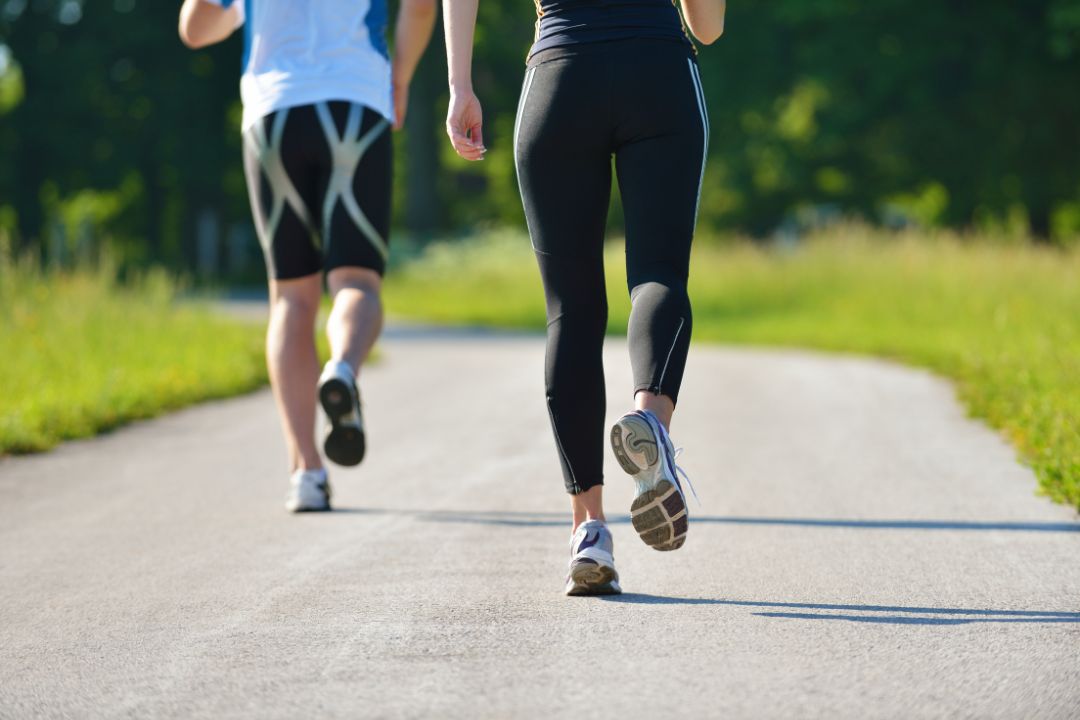
You do not need to be an athlete, but a structured training program dramatically improves your summit odds and how much you enjoy the climb. Start at least 12 weeks before your expedition.
Milestone goal: 6 hours of continuous moderate-paced walking
The #1 determinant of summit success is acclimatization — choosing a longer route and ascending slowly. A moderately fit person on an 8-day route will outperform a very fit person on a 6-day route almost every time.
Am I Ready?
Answer 4 honest questions about your experience, timeframe, fitness and climbing style. We'll calculate your readiness score, recommend the right route, and give you a personalized plan.
Uhuru Peak — 5,895m
Reaching Uhuru Peak is one of the most profound personal achievements a human being can experience. The summit celebration that follows is a tradition as old as Kilimanjaro guiding itself — and something no photograph can fully capture.
At the summit, your guides will lead the traditional Kilimanjaro celebration — a joyful, emotional singing ceremony. The guides sing "Jambo Bwana" (Hello, Sir) in Swahili, accompanied by drumming on their backpacks and synchronized clapping. The song echoes across the crater rim as your team celebrates your achievement together.
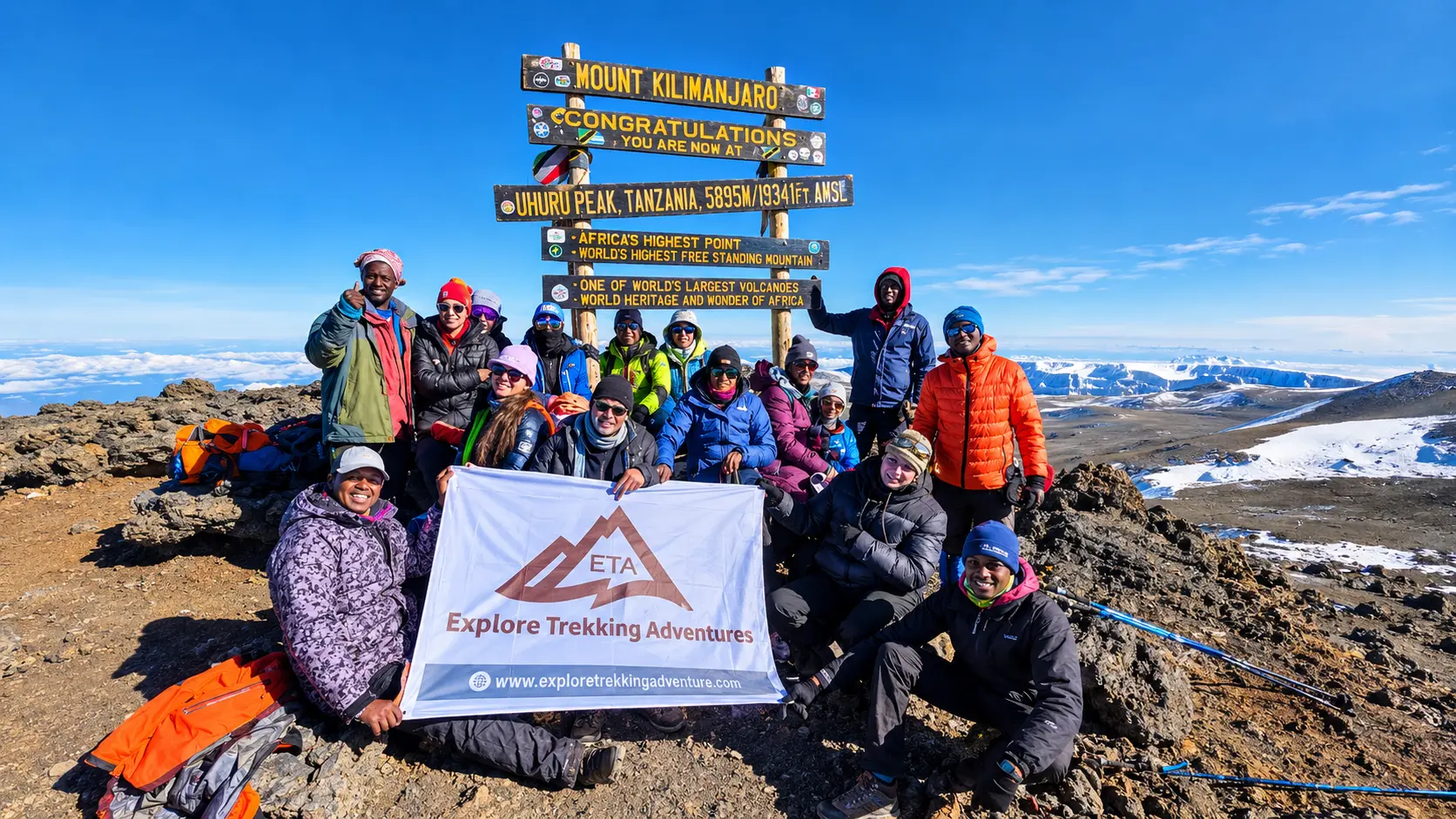
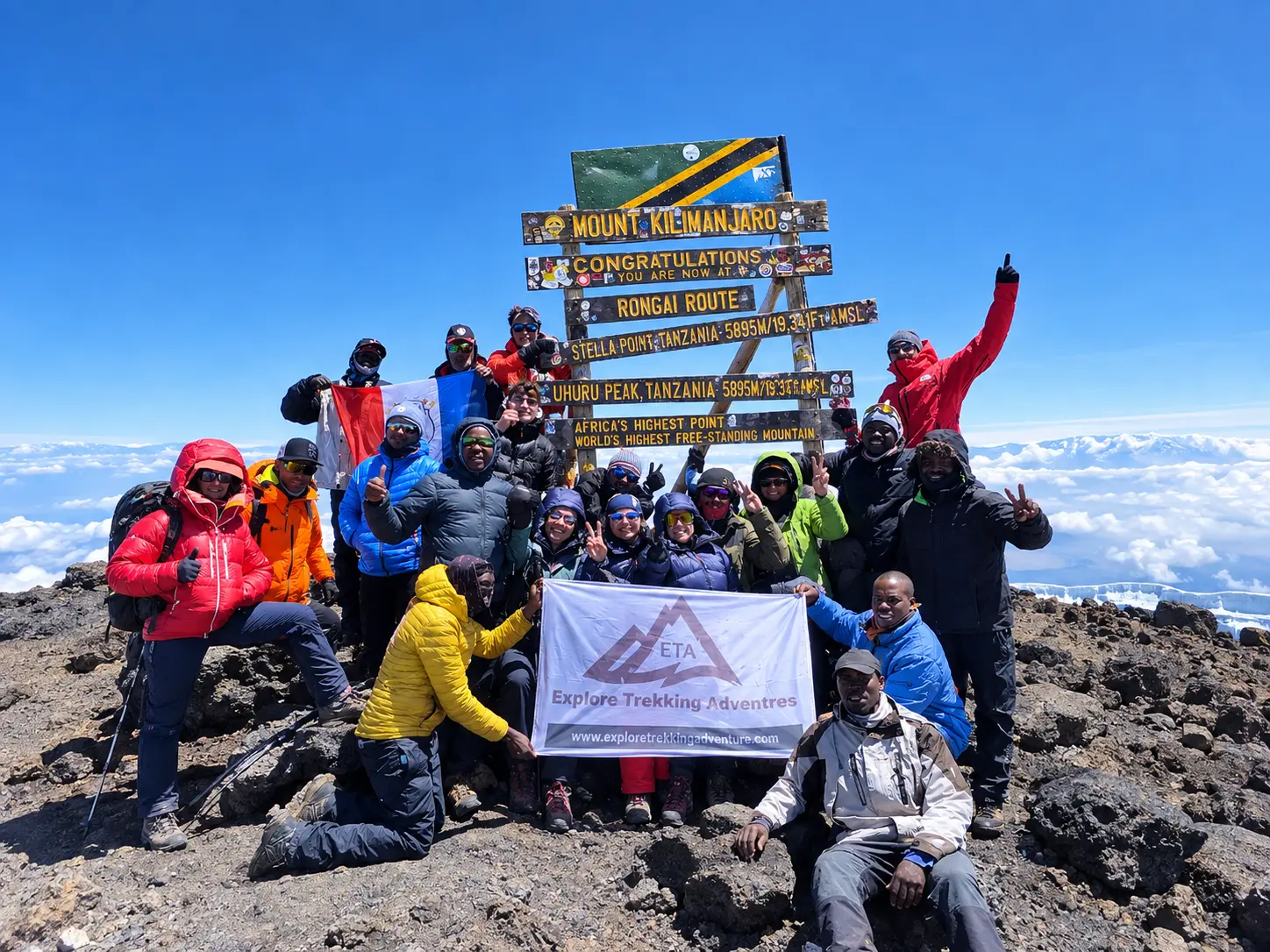
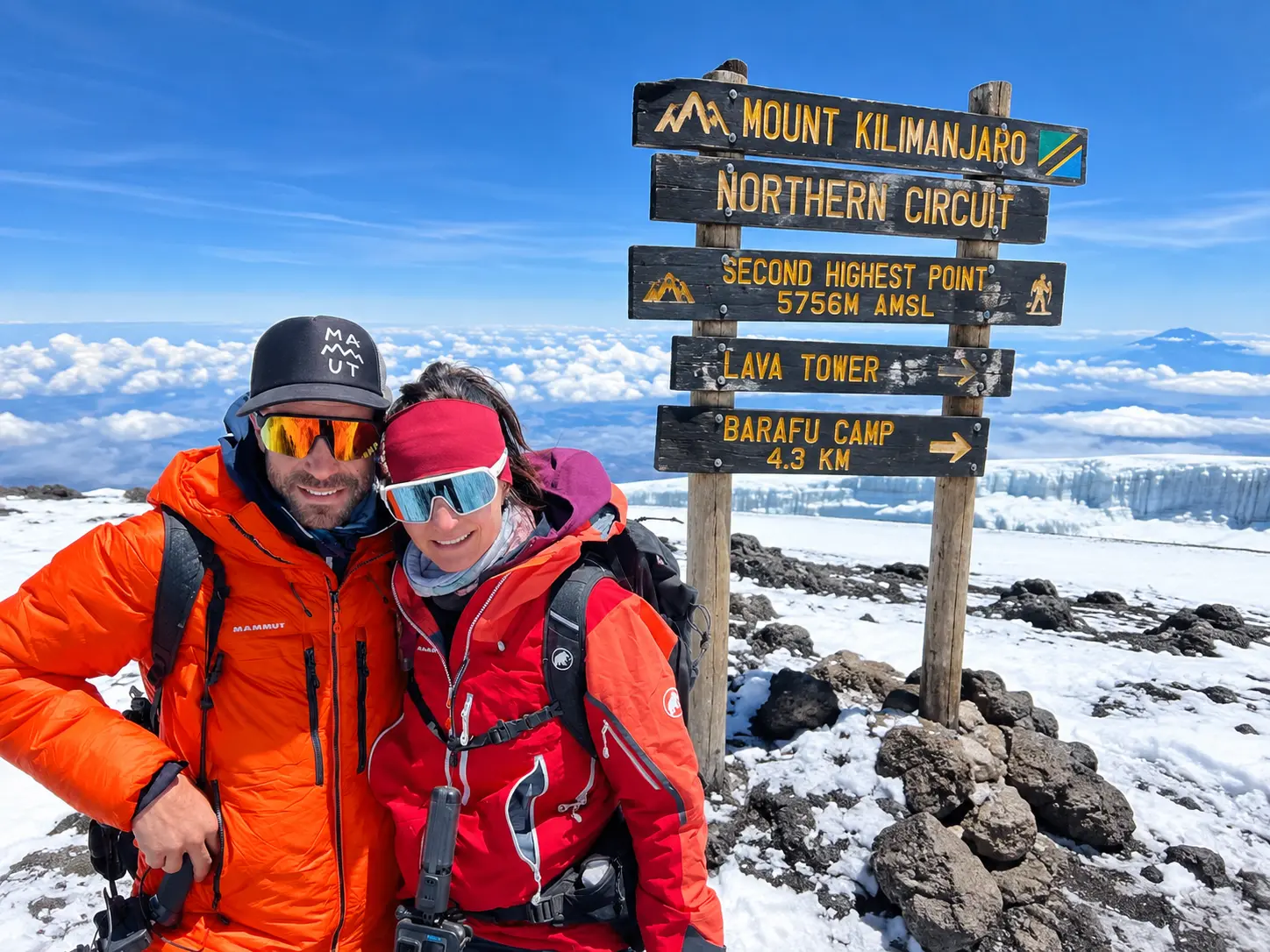
The iconic Uhuru Peak wooden sign — reading "Congratulations! You are now at Uhuru Peak, Tanzania, 5895m AMSL" — is one of the most photographed objects in Africa. Every climber gets a personal summit photo with the sign.
Back at the base camp, a formal tipping ceremony is held where climbers distribute tips to guides, porters, and the camp chef. Each crew member receives a personal thank-you handshake, often with more singing and drumming.
Summit attempts begin in darkness to arrive at the rim at sunrise. Temperature: -15°C to -25°C. Headlamps illuminate a silent line of climbers.
First summit landmark on the crater rim. Many climbers feel their first wave of emotion here. Sunrise begins to illuminate the glacier.
The highest point in Africa. Celebration, the summit sign, and 15–30 minutes to absorb the view.
Descent is faster but demands careful footwork. The tipping ceremony, a hot meal, and a well-earned night's rest in camp await.
Seven Summits Framework
The global mountaineering pursuit known as the Seven Summits is defined by the challenge of ascending the highest peak on each of the seven continents. Within this elite geographical framework, Kilimanjaro is designated as the essential starting point for international adventurers — a non-technical, high-altitude proof-of-concept that opens the door to the world's most demanding peaks.
When an expedition is organised through Explore Trekking Adventure, the complexities of high-altitude logistics are systematically managed by operations supervisor Martin to ensure optimal success rates on every route.
Unlike Everest or Elbrus, no ropes, crampons, or formal mountaineering systems are deployed on Kilimanjaro's trails. Physical conditioning and natural acclimatization are the sole drivers of performance — making it the ideal first high altitude objective.
A single itinerary traverses humid tropical rainforest, heathland, moorland, alpine desert, and arctic summit fields.
At $2,500 – $5,000, Kilimanjaro delivers a world-class high altitude experience without the extreme financial burden of Everest ($40,000 – $100,000+) or the complex logistics costs of reaching Antarctica's Vinson Massif ($20,000 – $40,000).
Kilimanjaro's structured efficiency — full porter support groups, professional high-altitude catering teams, and comprehensive camp safety frameworks — stands in sharp contrast to the multi-week self-guided gear hauls required on Denali, or the charter flights needed to reach remote polar massifs like Vinson.
02 — Wildlife & Birds
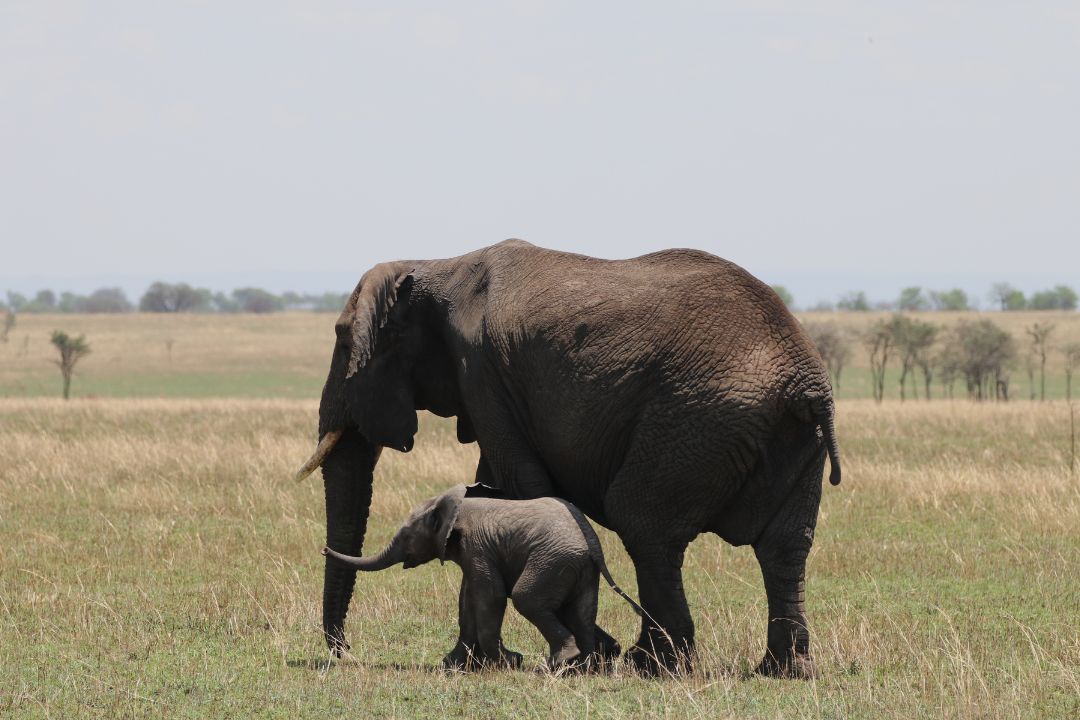
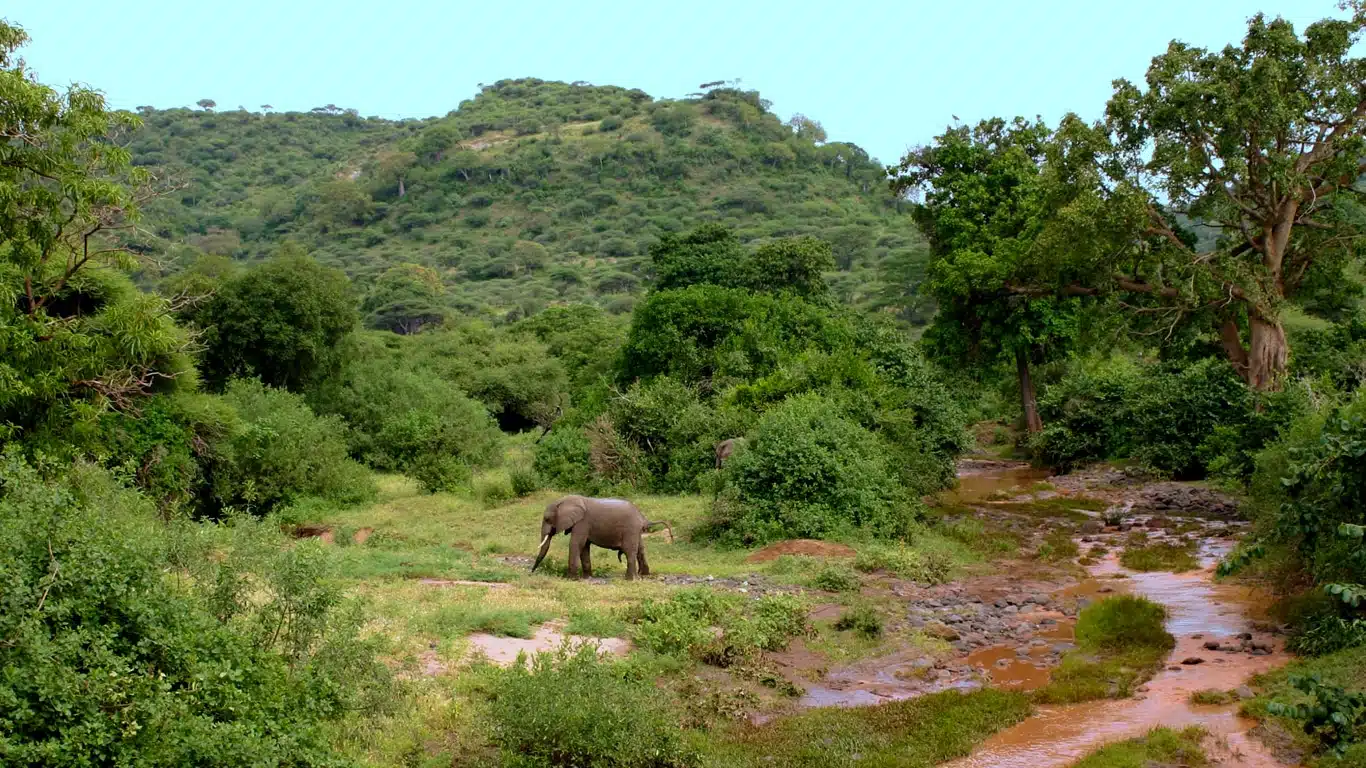
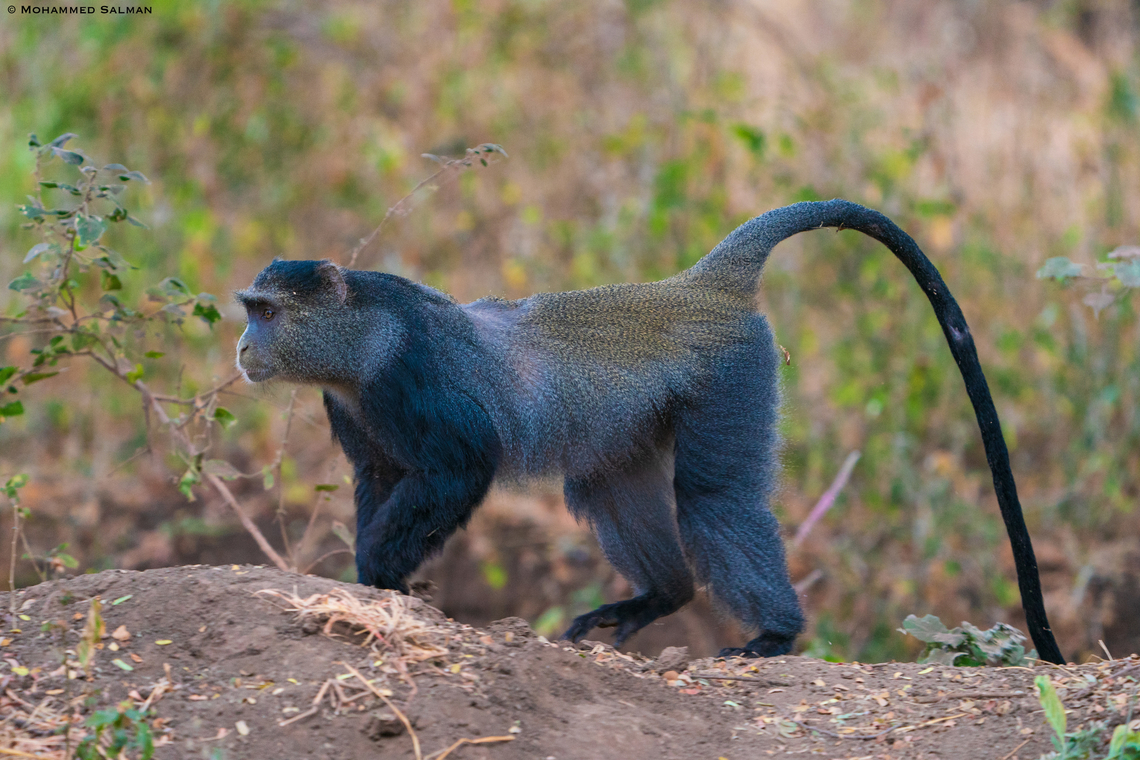
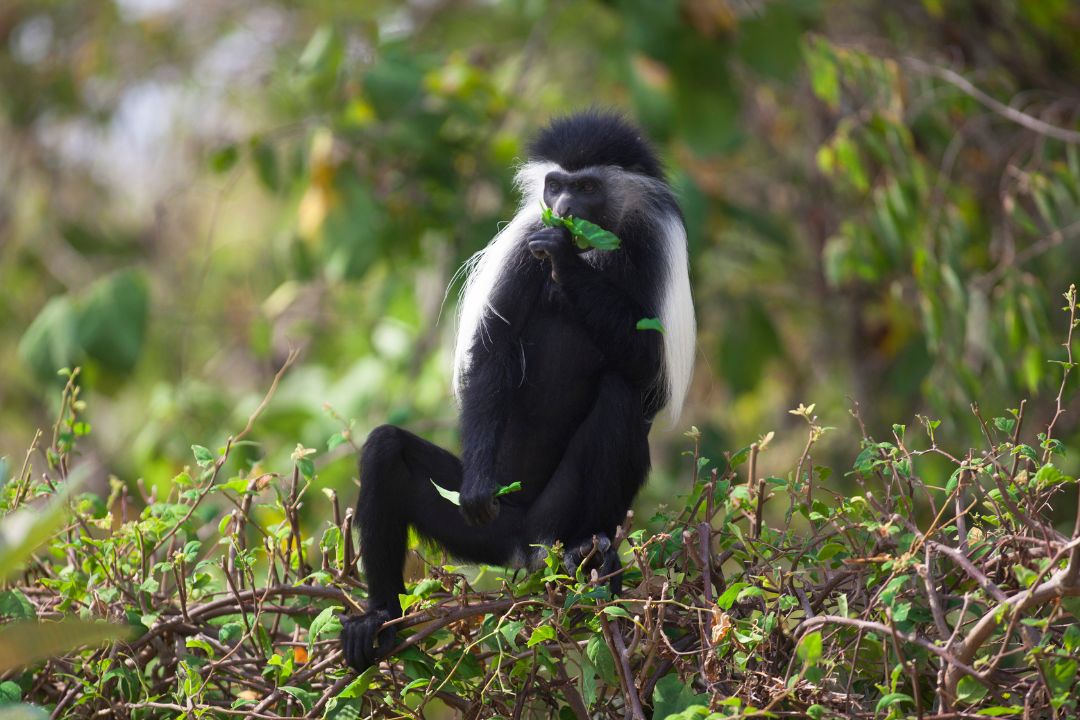
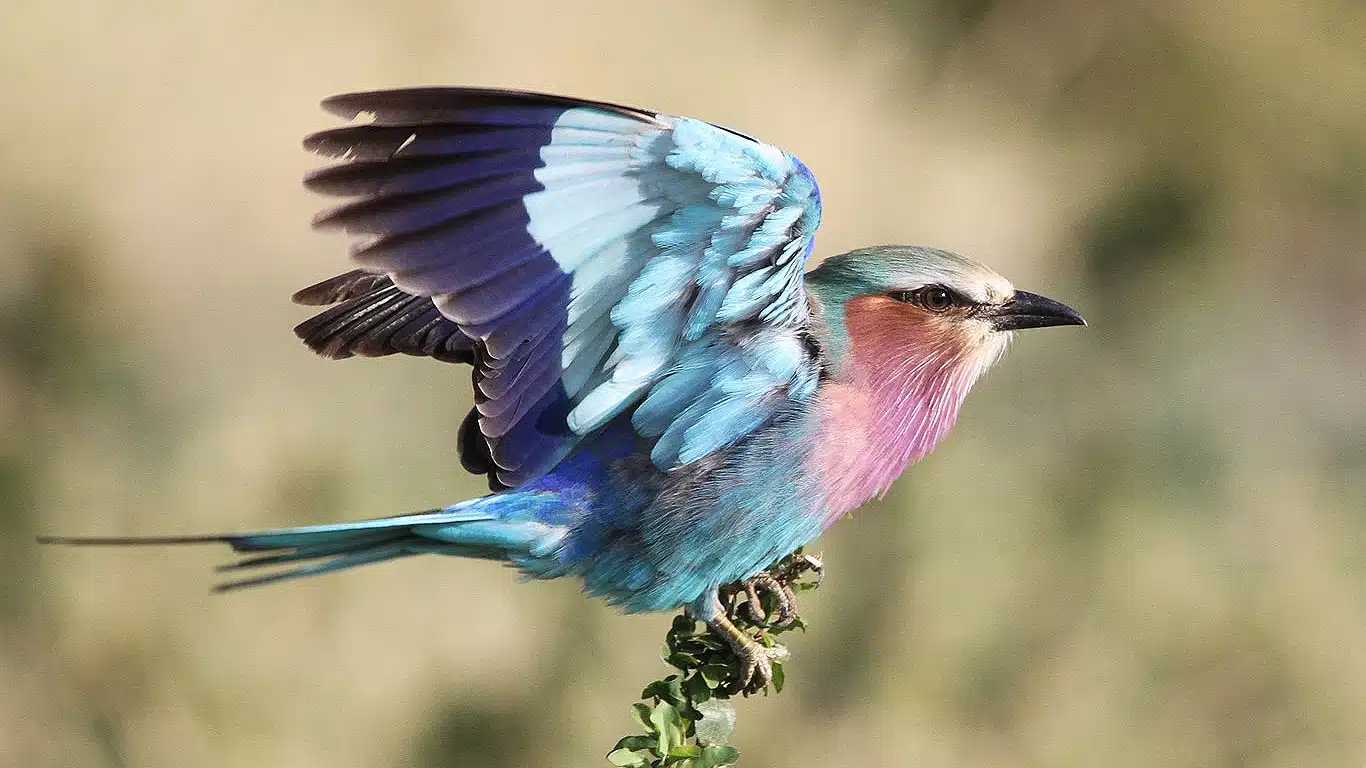
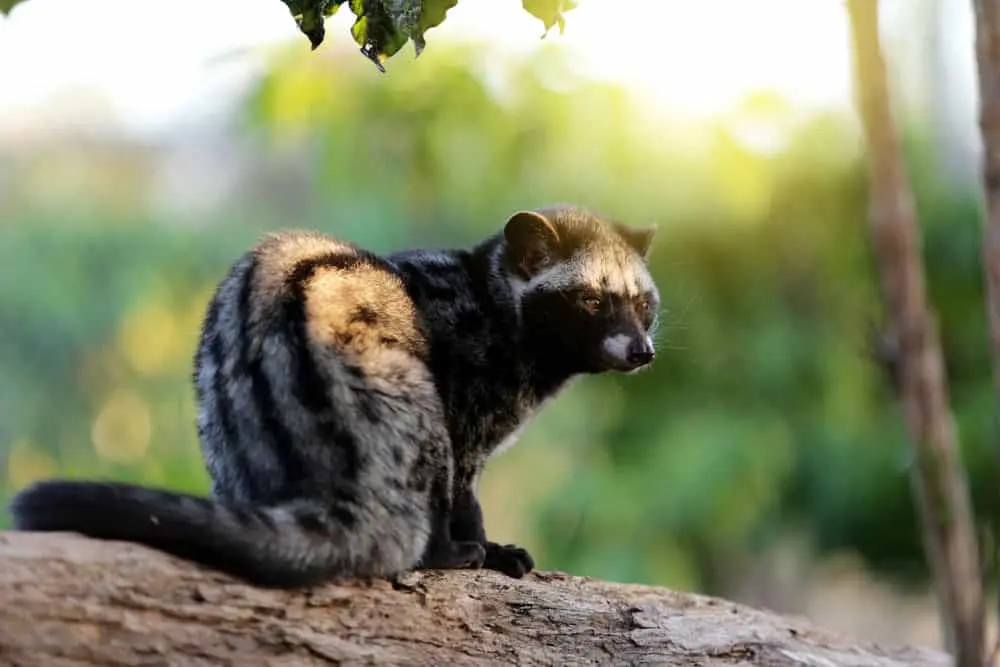
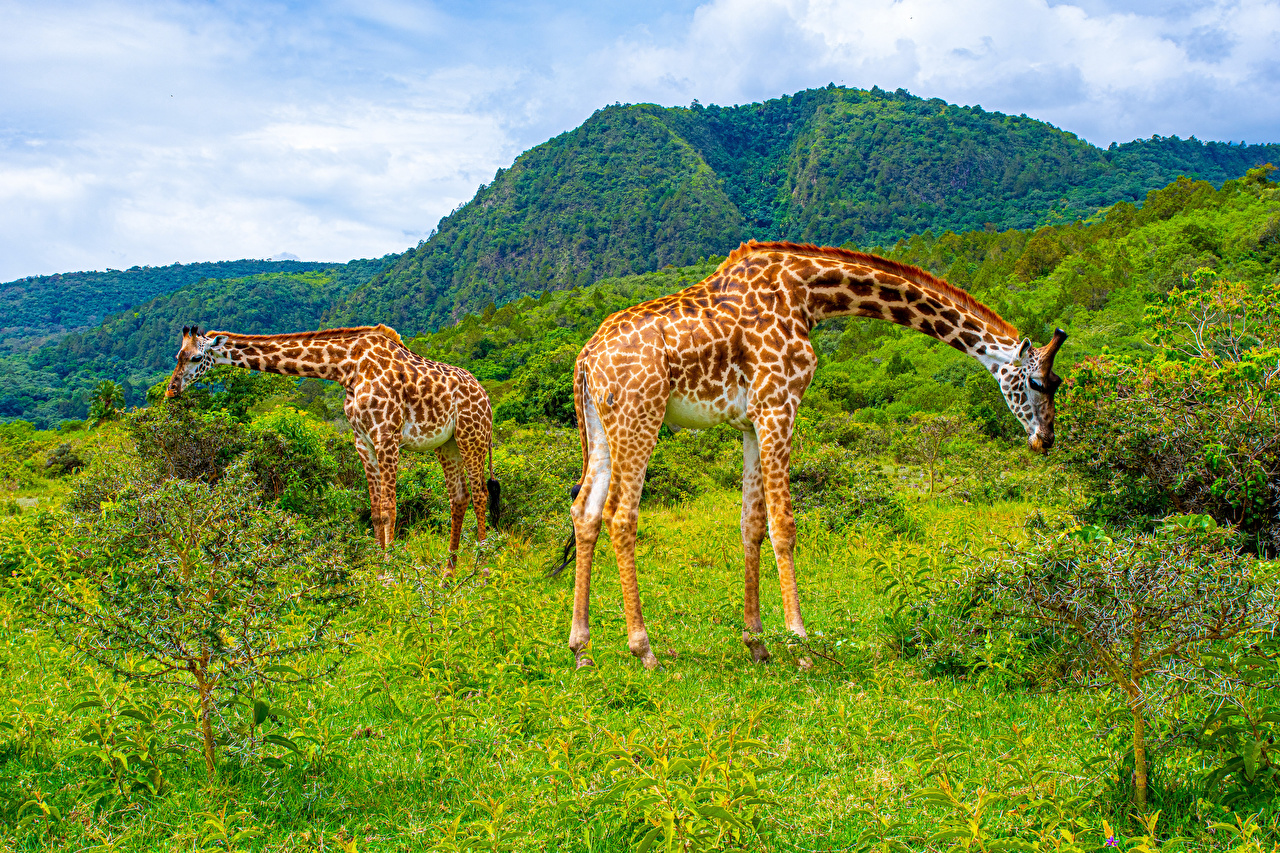
Wildlife is most visible in the lower rainforest zone, where blue monkeys, colobus monkeys, and diverse birdlife can be spotted. As the route climbs into heath, moorland, and eventually alpine desert, wildlife becomes increasingly scarce and the focus shifts to landscape, geology, and the physical challenge of the climb itself.
The surrounding forest corridors, protected as part of Kilimanjaro National Park, support a wider range of species, including elephants and leopards, though these are rarely encountered directly on the standard trekking routes.
03 — Location
Explore where Mount Kilimanjaro sits in northern Tanzania and plan the wider circuit around it.
Mount Kilimanjaro
Open in Google MapsMore Facts
Firsts, glaciers and a mountain that stands alone.
Kilimanjaro isn't part of a mountain range — it rises alone from the surrounding plains, making its full height especially dramatic.
Climbers can choose from seven official routes, each offering a different balance of scenery, difficulty, and acclimatization time.
The climb compresses a journey from tropical rainforest to arctic ice cap into less than two weeks — even less than one week on some routes.
German geographer Hans Meyer and Austrian mountaineer Ludwig Purtscheller made the first recorded ascent in 1889.
Kilimanjaro's summit glaciers are thousands of years old but retreating quickly — a visible marker of climate change at the equator.
04 — FAQ
Practical answers about location, wildlife, seasons, activities, getting there and where to stay.
No. Since 1991, Kilimanjaro National Park Authority (KINAPA) has strictly mandated that no unguided climbs are permitted. Every trekker must register through a fully authorized and licensed Tanzanian agency. For a single climber, regulations require a minimum of 1 Lead Guide, 1 Assistant Guide, 1 Cook, and 3–4 Porters.
Legally, anyone 10 years of age or older can climb. There is no official upper age limit. Climbers in their late 80s have successfully reached Uhuru Peak. The real restriction is cardiovascular health — severe hypertension or pulmonary conditions make the extreme altitude pressure changes dangerous.
No. Kilimanjaro is classified as a walk-up trekking mountain. No ropes, crampons, or technical climbing hardware are required. You will encounter the Barranco Wall — a 257m near-vertical rock scramble — but it requires only three-points-of-contact (hands and feet), not technical skill.
The 8-Day Lemosho Route or 7-Day Machame Route are universally the safest and most successful for beginners. Avoid the temptation of the 5-day Marangu ('Coca-Cola') route — its rushed timeline is the #1 reason climbers fail to summit.
Legitimate, high-safety operations charge between $2,500 and $5,000 USD per person. Beware of operators offering under $1,800 — over $800–$1,000 of every booking goes directly to KINAPA in mandatory fees alone, making low-price offers impossible without cutting corners on porter welfare or food quality.
The park-wide average is around 65%, heavily skewed by 5-day itineraries. Breaking down by duration: 5-day routes see under 50% success; 7-day routes hit 80–85%; 8-day routes exceed 90%. Our focus on conservative pacing consistently achieves 85–90%+.
Acute Mountain Sickness (AMS) occurs because atmospheric pressure drops as you ascend. Prevention: maintain a slow 'Pole Pole' pace, drink 4–5 liters of water daily, and consider Diamox (Acetazolamide) — a prescription medication that reduces mild-to-moderate AMS risk by roughly 50%.
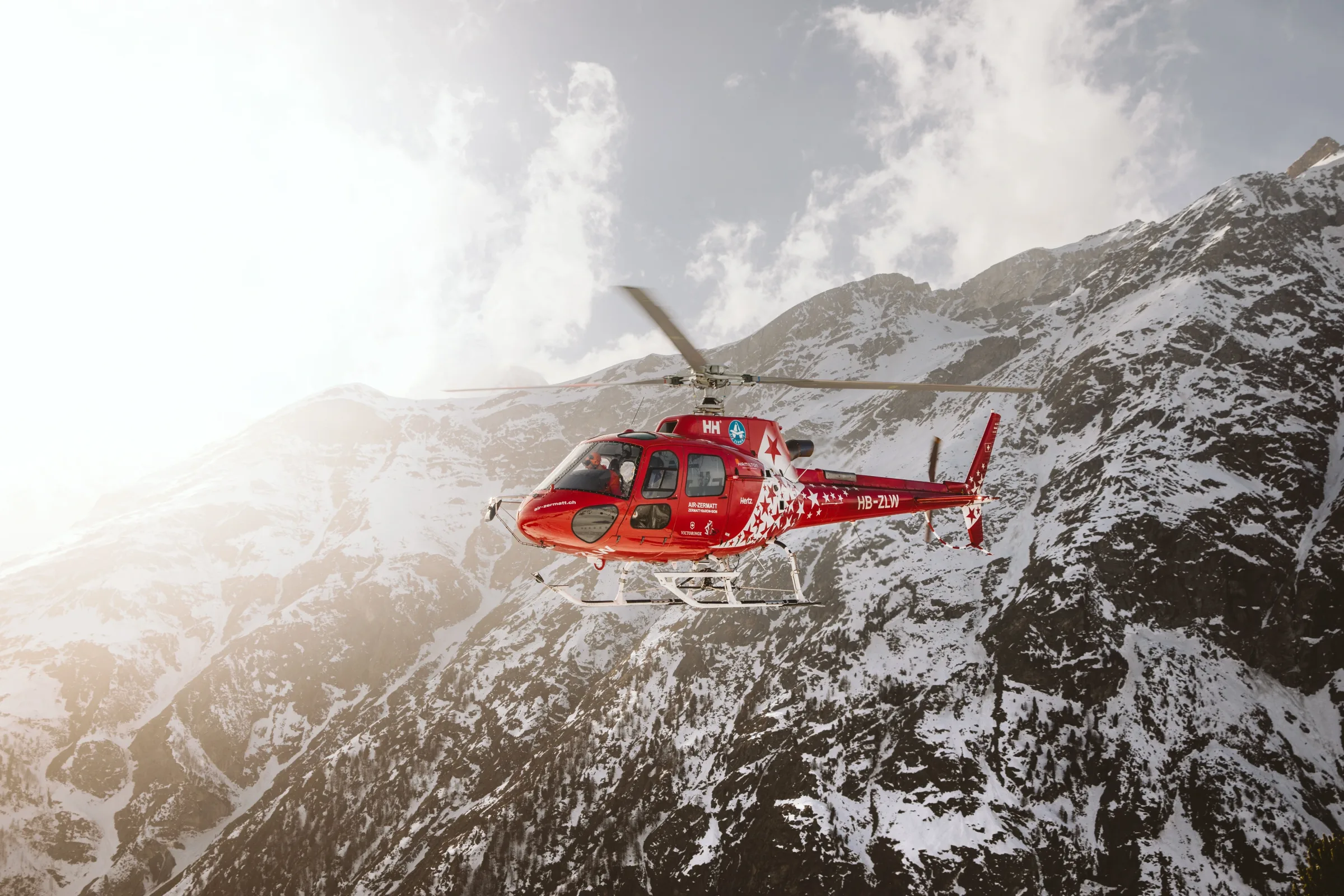
Yes. You must have a policy explicitly covering trekking up to 6,000 meters and including emergency helicopter evacuation. Standard travel insurance typically excludes altitude above 2,500–3,000m. Look for World Nomads Explorer or similar specialized high-altitude trekking policies.
Three hot, fresh meals daily — pasta, rice, chicken, fresh vegetables, warm stews, porridge, and seasonal fruits. Water is collected from mountain streams, boiled, and treated with Katadyn filtration before being distributed each morning. Bring electrolyte tabs to maintain your mineral balance.
5,895 meters (19,341 ft) at Uhuru Peak, the highest point on Kibo's crater rim — Africa's highest peak and the world's tallest freestanding mountain.
No technical climbing skills or specialized equipment are required on the standard routes, but good physical fitness and proper acclimatization are essential.
Between 5 and 9 days depending on the route chosen — longer routes generally offer better acclimatization and higher success rates.
The Marangu Route is often recommended for first-time trekkers, as it's the only route with hut accommodation and a gentler overall profile.
Longer routes with better acclimatization profiles — such as Lemosho and the Northern Circuit — tend to have the highest summit success rates, generally above 80% for treks over 7 days.
Kibo (the highest, containing Uhuru Peak), Mawenzi (the second-highest and more technically challenging), and Shira (a partially collapsed volcanic cone on the western side).
The dry seasons — January to March and June to October — offer the clearest conditions; June to October is the busiest period.
The true summit of Kilimanjaro, located on the rim of the Kibo crater — "Uhuru" means "freedom" in Swahili.
Kibo is technically still active, though its last major eruption was around 360,000 years ago; Mawenzi and Shira are extinct.
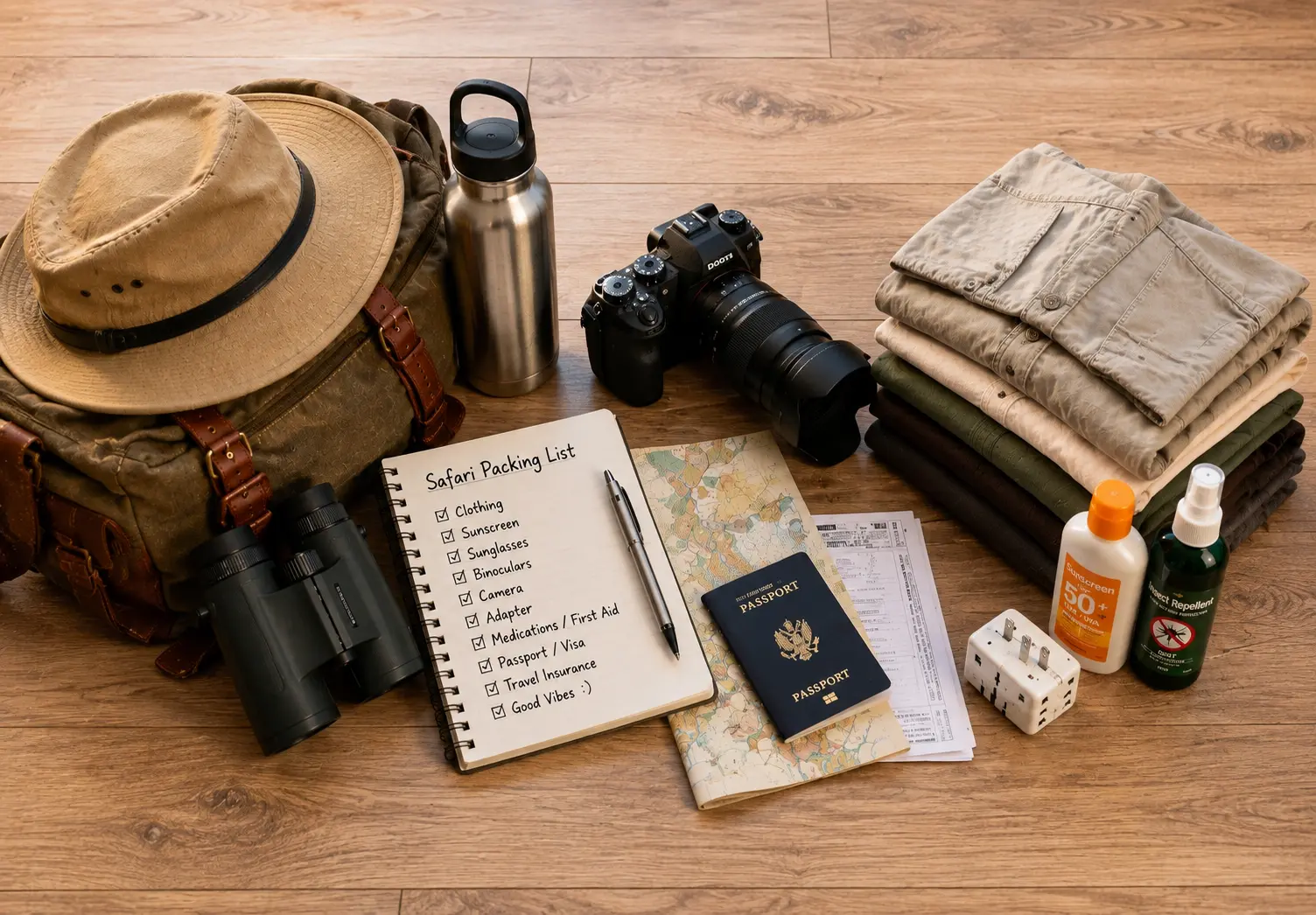
Layered clothing for five climate zones, a warm sleeping bag, waterproof gear, sturdy hiking boots, and cold-weather gear for the summit push, where temperatures can be well below freezing.
A condition caused by ascending too quickly at high altitude; it can range from mild discomfort to life-threatening if not managed properly — proper acclimatization and a gradual ascent profile are the best prevention.
Yes — ancient glaciers near the summit, believed to be close to 12,000 years old, though they have been receding rapidly and may disappear within decades.
Yes — it's commonly combined with a Northern Circuit safari (Ngorongoro, Serengeti, Tarangire, Lake Manyara) before or after the climb.
Yes, with proper preparation — it's considered one of the more accessible of the world's Seven Summits, though the altitude should never be underestimated.
The protected area surrounding the mountain, established in 1973 and designated a UNESCO World Heritage Site in 1987, encompassing six forest corridors and diverse wildlife.
Explore the destination
Our Kilimanjaro climbs on every route, all-inclusive, with local guides from Moshi.
Explore Trekking Adventure
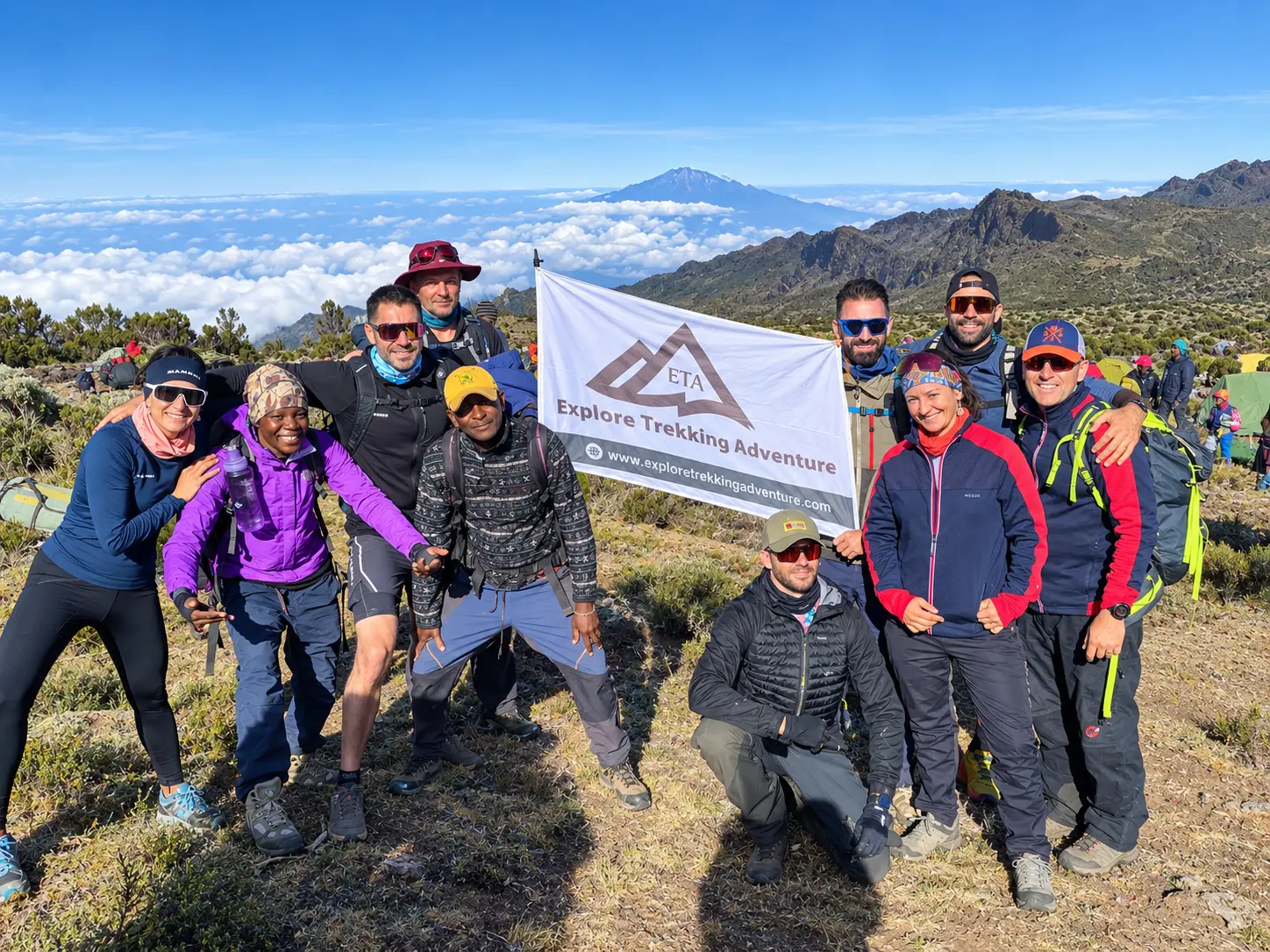
Partner with our certified KPAP team, led by operations supervisor Martin, for a safe, ethical, and unforgettable Kilimanjaro expedition.
Explore Trekking Adventure
Explore Trekking Adventure (ETA) offers expertly guided treks, authentic cultural experiences, and responsible travel. With local knowledge, quality gear, and personalized service, ETA ensures safe, unforgettable journeys across East Africa.
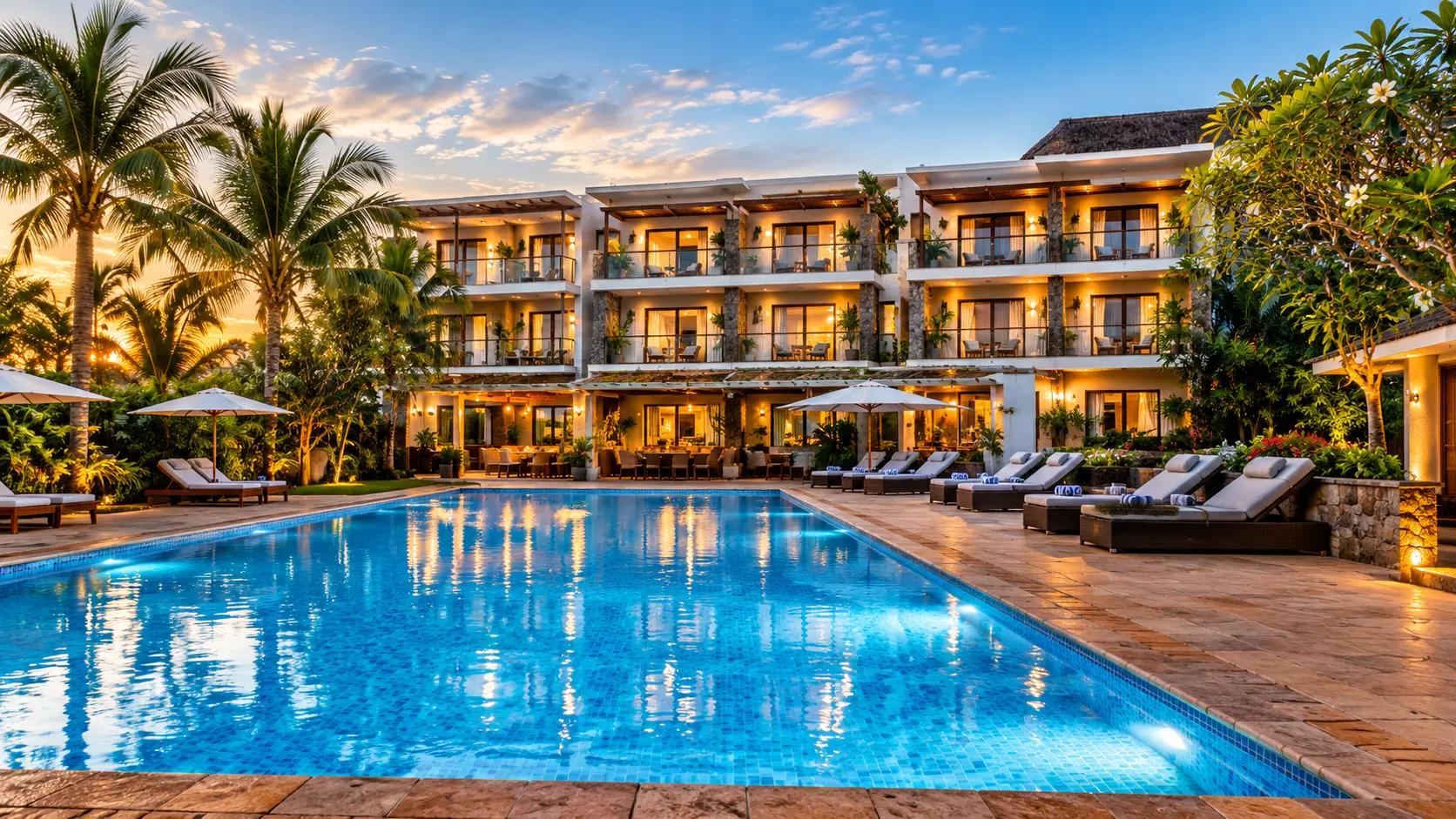
Selected accommodation
Handpicked lodges and camps we recommend around this destination.
From the journal
Our latest safari stories, destination guides and practical travel articles.
 Online
Martin
🇹🇿 Tour Consultant · Located in Tanzania
Contact us — we are always here to help you plan the perfect trip.