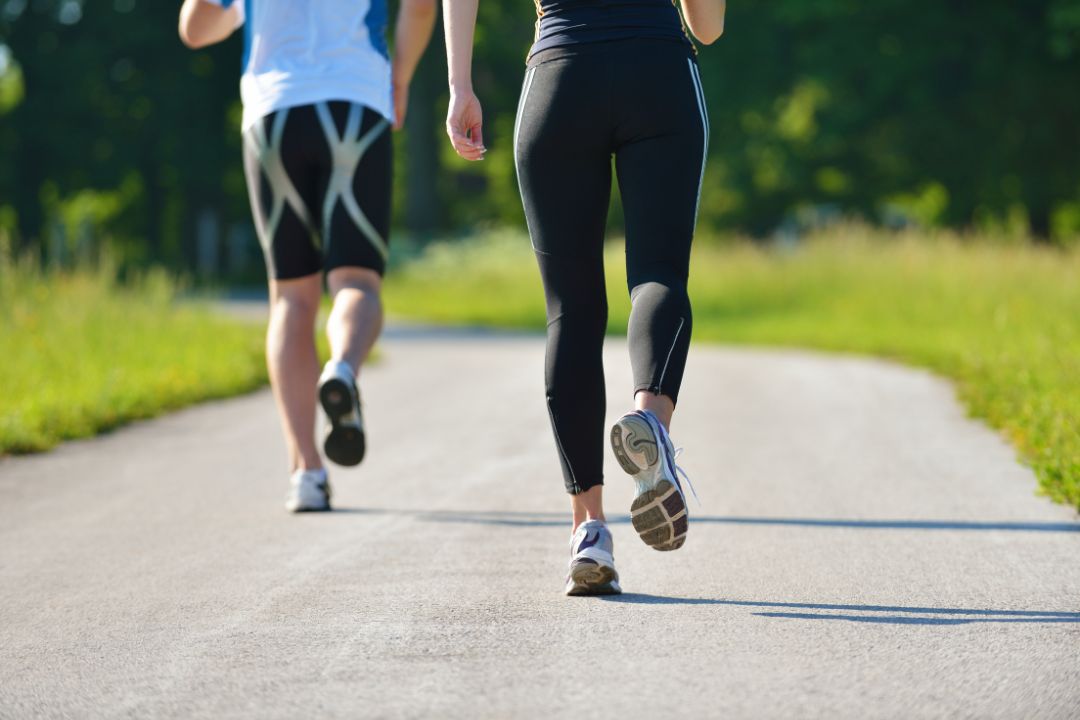
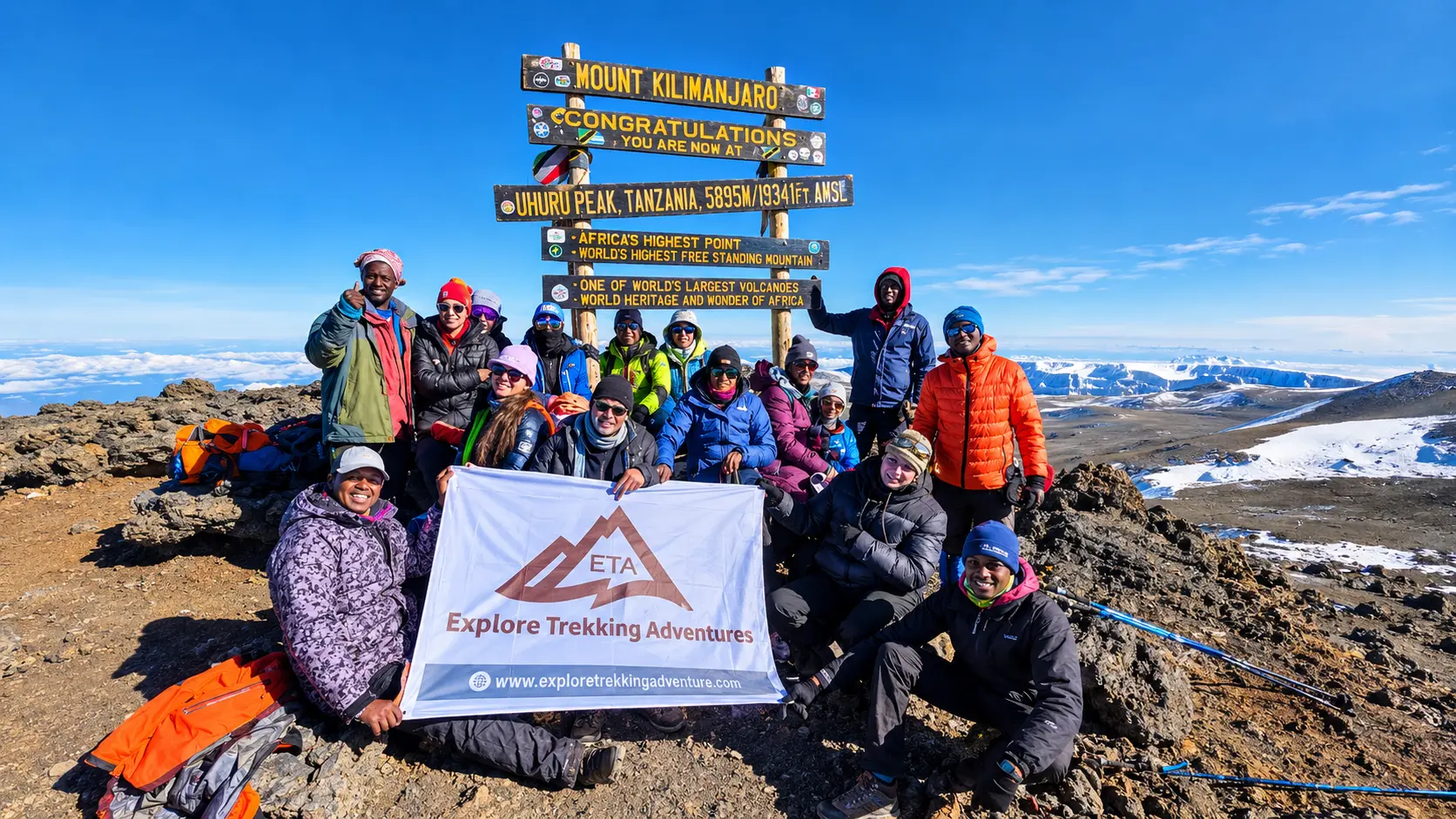
Training for Kilimanjaro is one of the most important steps you can take to ensure a successful and enjoyable summit of Africa’s tallest mountain. Mount Kilimanjaro, standing at 5,895 meters (19,341 feet), is not a technical climb—but it demands stamina, strength, and serious mental focus.
In this guide, we’ll break down everything you need to know about how to train for Kilimanjaro, including strength workouts, cardio routines, sample hiking plans, and motivation tips to help you get ready for the adventure of a lifetime.
Why Training for Kilimanjaro is Essential
Many people underestimate the mountain, thinking it’s “just a walk.” But training for Kilimanjaro is critical, especially when you consider the impact of high altitude, cold temperatures, and back-to-back trekking days.
Most routes require hiking for 5–8 hours a day for nearly a week, with the final summit push lasting up to 14 hours. Without proper preparation, you may struggle—not from steepness, but from exhaustion and lack of oxygen.
Climbing Kilimanjaro is mentally rewarding but physically demanding. Thousands attempt the climb every year, yet about 30–50% fail to reach the summit—often due to poor preparation. When you train for Kilimanjaro, you’re not just building strength; you’re also boosting your cardiovascular endurance, learning to pace yourself, and getting mentally comfortable with long hours on your feet.
How Fit Do You Need to Be?
You don’t need to be a marathon runner or gym rat. But you do need a good foundation in:
- Cardio endurance
- Leg and core strength
- Mental stamina
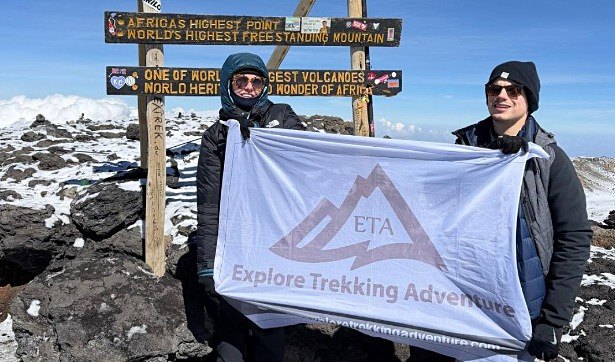
If you can hike 12–15 km (7–9 miles) carrying a daypack without feeling drained the next day, you’re in a good position to start training for Kilimanjaro seriously. Being physically fit won’t prevent altitude sickness, but it will give your body the best chance to adapt, reduce fatigue, and help you enjoy the climb.
Training for Kilimanjaro: Complete Breakdown
The best Kilimanjaro training programs include four key components:
1. Strength Training
Strength training for Kilimanjaro builds up the muscle groups that support long-distance trekking. Focus on:
- Legs: squats, lunges, step-ups
- Core: planks, leg raises, Russian twists
- Upper body: push-ups, rows, shoulder presses (for daypack support)
Do 2–3 sessions per week, progressively increasing reps and resistance.
2. Aerobic Workouts
Long, steady-state cardio is essential for training for Kilimanjaro, helping build endurance and oxygen efficiency. Try:
- Hiking or walking on inclines
- Cycling or swimming
- Jogging on trails
Train at least 3–5 days a week, aiming for 45–90 minutes per session.
3. Cardiovascular Training
Improve your heart rate recovery and lung capacity with high-intensity bursts. This is especially useful when trekking steep sections or at higher altitudes.
Examples include:
- Interval runs (e.g., 1 min fast, 2 min slow)
- Stair climbs or hill sprints
- Jump rope and HIIT workouts
Incorporate these 1–2 times weekly.
4. Realistic Hiking Practice
This is the most overlooked—but most effective—aspect of training for Kilimanjaro.
Why? Because hiking is what you’ll actually be doing. Make sure to:
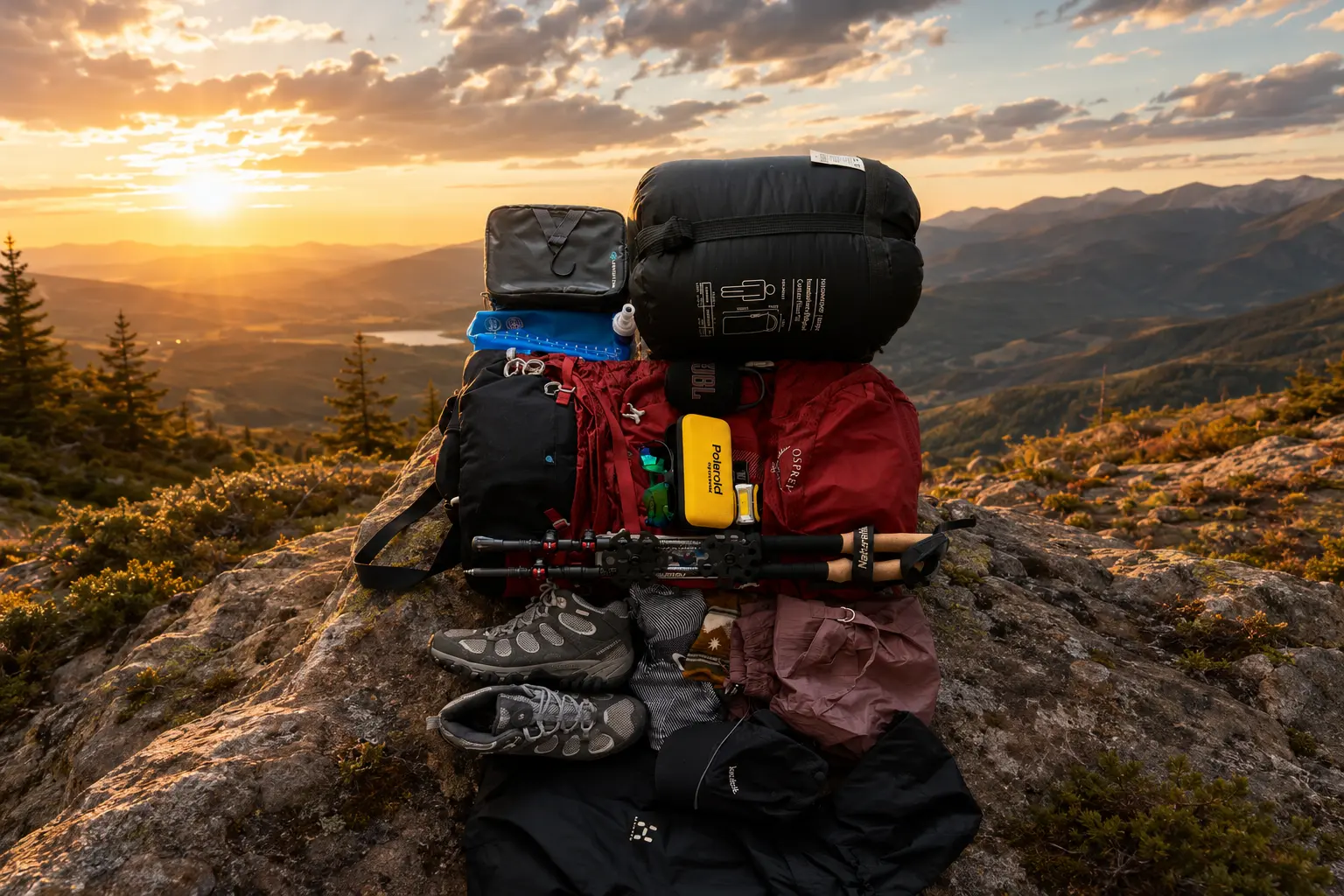
- Wear your actual hiking boots
- Carry a loaded daypack (5–7 kg)
- Train on uneven trails with elevation gain
- Simulate multi-day treks when possible
Sample 8-Week Kilimanjaro Training Schedule
| Week | Cardio (Days) | Strength (Days) | Hike Duration | Key Focus |
|---|---|---|---|---|
| 1–2 | 3x 30 mins | 2x light strength | 1–2 hrs | Establish a habit |
| 3–4 | 4x 45 mins | 2x body + core | 3–4 hrs | Add a daypack |
| 5–6 | 4x 60 mins | 3x strength | 5–6 hrs | Simulate summit day |
| 7 | 5x 60–90 mins | Maintain strength | 6–7 hrs | Final challenge |
| 8 | Taper | Light yoga/stretch | 1 easy hike | Rest before travel |
Staying Motivated During Your Training for Kilimanjaro
Training for Kilimanjaro takes time and commitment. Here’s how to stay focused:
- Set weekly fitness goals
- Track progress with a journal or app
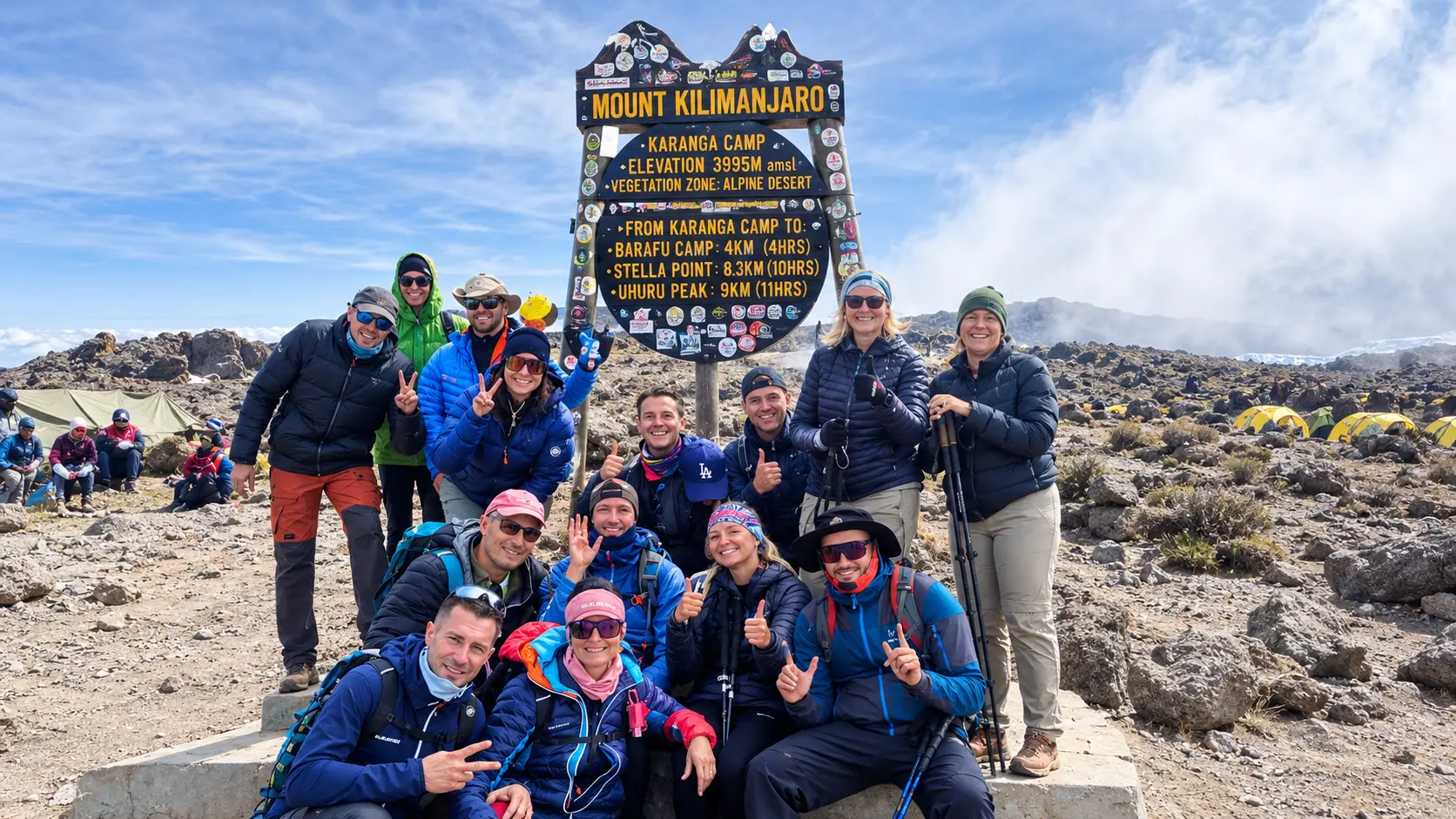
- Join hiking communities or find a training partner
- Watch Kilimanjaro documentaries or read summit stories to stay inspired
Mindset is half the climb. The mountain rewards persistence, not perfection.
Final Word
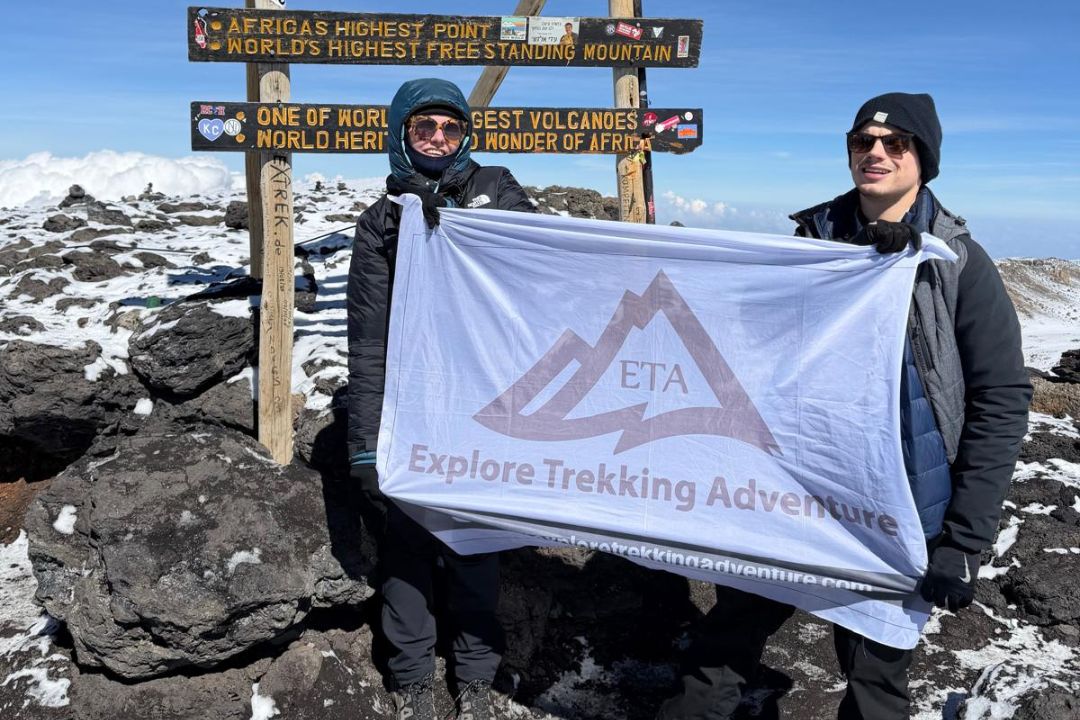
Training for Kilimanjaro is the best gift you can give your future self. With the right physical preparation, mental focus, and gear, you’ll be ready to face the mountain head-on and increase your chances of reaching Uhuru Peak—the roof of Africa.
You don’t have to be the fastest or the fittest. You just have to be prepared, and the mountain will take care of the rest.