Per Person
Per Person

Per Person
Per Person
Per Person
Per Person
The Rongai Route is the only Kilimanjaro trail that approaches from the remote northern side near the Kenyan border. Known for its unspoiled wilderness, low traffic, and excellent wildlife viewing, this route offers a quieter and more peaceful ascent. It traverses a range of landscapes, from forested slopes and heather-covered ridges to the stark alpine desert of the saddle between Kibo and Mawenzi peaks.
One of the key advantages of the Rongai Route is its gradual ascent, allowing for better acclimatization and a higher success rate compared to more direct routes. The 6-day version is slightly more challenging in terms of acclimatization than the 7-day option but still manageable with proper preparation and pacing. Trekkers experience both the northern dry side and descend via the lush southern Marangu route, providing a scenic and complete Kilimanjaro experience.
This route is ideal for climbers seeking solitude, beautiful views, and a true wilderness adventure. The trek culminates with a thrilling midnight ascent to Uhuru Peak, the highest point in Africa at 5,895 meters. The Rongai Route balances adventure and serenity, making it a top choice for those wishing to avoid crowds while still enjoying Kilimanjaro’s dramatic beauty and ecological diversity.
Can start any day
6 Days
Challenging
Private Tour
Customizable
Itinerary
Toyota Hiace
Minivans / Bus
Breakfast, Lunch
& Dinner
Kilimanjaro Int.
Airport
Arrive at Kilimanjaro International Airport (JRO), where our friendly team will welcome you and transfer you to your hotel in Moshi, the gateway to Kilimanjaro. In the evening, meet your mountain guide for a detailed climb briefing and gear check. Use this time to rest, hydrate, and prepare for your adventure. Overnight stay in Moshi.


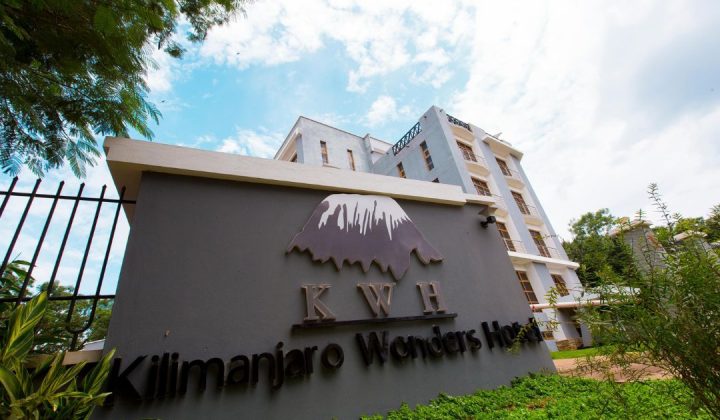
Tulivu has always been in our hearts, even though opening a boutique hotel wasn’t something we initially envisioned. Our passion for hosting family and friends, creating unforgettable experiences, and sharing fine dining brought us so much joy over the years. Eventually, we realized this warmth and hospitality could be shared with others. That’s when the idea for Tulivu Kilimanjaro Retreat and Campsite was born.


Altitude: 1,950m to 2,600m
Distance: 8 km | Time: 4–5 hours
After breakfast, you’ll drive to the Rongai Gate near the Kenyan border. The trek begins through farmland and pine forests, offering a peaceful start and chances to see colobus monkeys and birds. The trail is gentle and steadily climbs through heather and volcanic rock formations. You’ll arrive at Simba Camp in the late afternoon, set on a grassy ridge with sweeping views of Kenya to the north and the looming Mawenzi Peak to the south. Dinner and overnight at Simba Camp.
Altitude: 2,600m to 3,450m
Distance: 9 km | Time: 5–6 hours
Today’s trek continues with a steady ascent through open moorland. The vegetation becomes sparser, and the trail opens up to dramatic views of Kilimanjaro’s twin peaks—Kibo and Mawenzi. You’ll reach Second Cave Camp by early afternoon, nestled near a lava tube. The camp provides stunning views and a peaceful setting for acclimatization. After lunch and rest, there’s time for an optional short walk to higher elevation before returning for dinner and an overnight stay. This day helps your body adjust to the altitude.
Altitude: 3,450m to 3,800m
Distance: 6 km | Time: 3–4 hours
A shorter but gradual hike takes you across open moorland with sweeping views of the northern plains stretching into Kenya. The day allows for good acclimatization as you gradually ascend to Third Cave, a peaceful camp with fewer trekkers.
Altitude: 3,800m to 4,700m
Distance: 7 km | Time: 4–5 hours
Today’s hike is a steady climb across the saddle, a barren desert-like landscape stretching between Mawenzi and Kibo peaks. The trail is exposed but offers striking views of both summits. You’ll arrive at Kibo Hut in the afternoon to rest and prepare for the midnight summit attempt..
Altitude: 4,700m – 5,895m to 3,720m
Time:12–16 hours hours
Summit day begins around midnight with a challenging climb up steep scree to Gilman’s Point (5,685m). From there, continue along the crater rim to Stella Point and finally reach Uhuru Peak, Africa’s highest point at 5,895m. Celebrate your achievement before descending to Kibo Hut for rest and then on to Horombo Hut.
Altitude: 3,720m – 1,870m
Time: 6–7 hours
The final descent takes you through the heather zone and lush rainforest alive with birdsong and colobus monkeys. At Marangu Gate, you’ll receive your summit certificates before transferring back to Moshi for a well-deserved rest.
Tulivu has always been in our hearts, even though opening a boutique hotel wasn’t something we initially envisioned. Our passion for hosting family and friends, creating unforgettable experiences, and sharing fine dining brought us so much joy over the years. Eventually, we realized this warmth and hospitality could be shared with others. That’s when the idea for Tulivu Kilimanjaro Retreat and Campsite was born.
Private Toilet – $150 per trip
Enjoy added privacy and comfort with a personal portable toilet for your group.
Private Tent – $5 per day
Perfect for solo climbers or those who prefer not to share sleeping space.
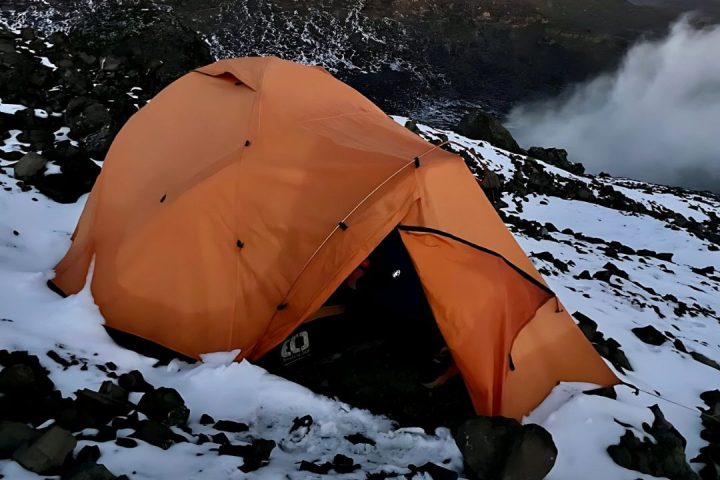
Kailas X3 III Alpine Tent with Vestibule – $10 per day
A high-performance alpine tent offering extra space and weather protection. (Click here for specifications)
Thicker Sleeping Mattress – $10 per mattress
Upgrade to a thicker foam mattress for improved sleep and insulation.
Therm-a-Rest Sleeping Pad – $15 per pad
A premium self-inflating pad for maximum comfort and warmth on the mountain.
Tipping is an important tradition on Kilimanjaro climbs. Your mountain crew—guides, cooks, and porters—work tirelessly to support you on the trek, and tips are a meaningful way to show appreciation for their hard work.
Tips are usually handed over at the farewell ceremony on the last day at the park gate.
It is best to place tips in an envelope and give them to the lead guide, who will distribute fairly among the team.
Tips should be in US Dollars (clean, undamaged notes) or Tanzanian Shillings.
Tipping is not mandatory, but it is customary and greatly appreciated.
Larger groups usually share the tip equally among climbers.
If you feel service exceeded expectations, you are welcome to give more.
After climbing Kilimanjaro, explore Tanzania’s top parks like Serengeti, Ngorongoro, and Tarangire. See lions, elephants, and more in their natural habitat on unforgettable game drives and scenic landscapes.
Visit local Maasai villages, explore Chagga traditions, or join a coffee tour near Moshi. Learn about Tanzania’s people, taste traditional food, and enjoy music, dancing, and storytelling with locals.
Posted onVerified Une superbe aventure à découvrir ! Ascension génial avec une équipe au top !!!Posted onVerified Kilimandjaro 2026 Merci à Martin et son équipe ! Nous avons vécu une énorme semaine. Tout était parfait 👍 disponibilité, gentillesse, professionnalisme, humilité et joie de vivre. Un grand moment de bonheur Merci la family À bientôt. 👋 I Hope 😘😘Posted onVerified An Unforgettable Adventure on Kilimanjaro What can I say other than THANK YOU… An absolutely magical experience, forever etched in my memory! Climbing Kilimanjaro exceeded all my expectations. Martin handled the entire organization from A to Z with perfect mastery, everything was smooth, reassuring, and flawlessly managed. You feel supported from the very first moment. A huge thank you to my guide, Georges an exceptional person: caring, attentive, and incredibly motivating. He looks after everyone throughout the trek with professionalism and genuine kindness. Thanks to him, every challenge feels easier and every step feels achievable. And what can I say about the porters, the true heroes of the mountain! Always smiling, unbelievably kind, and deeply inspiring. Their energy and positive spirit brighten each and every day. Those five days together will remain unforgettable: the shared meals in the tent, the warm and joyful moments, the sense of connection in such an extraordinary setting. Truly special memories. The landscapes are simply breathtaking. Every sunrise, every panorama, every step reminds you how unique and powerful this adventure is. An extraordinary human and physical experience that I would recommend without hesitation. Thank you again to the whole team for these priceless memories!Posted onVerified Cannot Say Enough about ETA!!! I truly cannot say enough good things about Explore Trekking Adventures and Martin’s entire team. From start to finish, this was one of the most incredible and a life-changing experience. Climbing Kilimanjaro is no small undertaking, and the professionalism, knowledge, and preparation of this team were evident every single day. They were extraordinarily organized, safety-focused, and deeply experienced. I always felt supported and confident in their guidance. Their expertise on the mountain — from pacing and acclimatization to encouragement on summit night — made all the difference. Beyond their skill and professionalism, what truly sets this company apart is the people. The entire team was patient, kind, and unbelievably fun. They created an atmosphere of camaraderie and positivity that carried us through every challenge. There was constant encouragement, laughter, and genuine care. They were invested in our success and well-being in a way that went far beyond expectations. Martin leads an exceptional group. His integrity, leadership, and attention to detail are reflected in every member of the crew. You can tell this is not just a business...it’s something they deeply believe in. Whether you are planning to climb Kilimanjaro or go on safari in Tanzania, I would recommend Explore Trekking Adventures without hesitation. They will always be my go-to team in Tanzania. Five stars are not enough.Posted onVerified January Mt. Kilimanjaro Trek via Machame Route I had an amazing experience with Explore Trekking Adventures on a climb of Mt. Kilimanjaro. Their team was nothing but amazing, from working out last minute travel logistics to caring for us on the mountain. Martin and his team are truly an exceptional group. I will absolutely be coming back to book one of their safari trips!Posted onVerified Une Equipe exceptionnelle pour une grande Expérience avec Explore Trekking Adventure Avec Martin aux commandes d'Explore Trekking Adventure, il s'agit d'une excellente option pour réaliser l'ascension du Kilimandjaro et tout autres activités en Tanzanie. Nous avons pu, par la voie Umbwe, rejoindre le sommet du Kili en 6 jours ; chaque jours aura été remarquable grâce à un accompagnement exceptionnel : porteurs, chef de cuisine, serveur, guides diplômés ... C'était une aventure humaine avec une équipe rigoureuse et expérimentée dont le seul objectif et de vous faire vivre une belle expérience coaching, suivi santé, .... La force de Martin, à travers son parcours dans l'éducation autour du tourisme en Tanzanie est sa capacité à recruter les bonnes personnes pour constituer une Grande Equipe qui mettra tout en oeuvre pour vous permettre de réaliser votre rêve, en couple, en famille ou avec des amis, dans une ambiance de qualité, loin des expéditions rythmés par le marketing. One team, One Dream ! Un petit conseil : ne préparez pas votre ascension du Kilimandjaro sans prendre contact avec Martin, Explore Trekking Adventure. Bonne préparation et belle aventure !!Posted onVerified Amazing, humbling adventure I cannot say enough positive things about this trip. I never anticipated the depth of emotion I experienced during it, continue to feel upon my return, and will likely carry with me for years to come. To imagine such a rich and meaningful collection of experiences compressed into so few days is truly remarkable. The care, confidence, compassion, and competence of Martin and the ETA team were unmatched and absolutely vital to the success of our journey. This was a rare treasure of mind-expanding, challenging, joyful, interesting, and deeply humbling experiences—one I will forever be grateful for. Asante sana, Babu Simba.Posted onVerified Life changing This adventure was truly life-changing. Martin and the ETA team have a rare gift for blending exceptional skill and safety with genuine heart. I owe every bit of my success to their encouragement, attention to comfort, constant presence, and joyful personalities. Their singing and dancing carried us through even the hardest moments. Reaching the peak was unforgettable, but it cannot compare to the love and sense of safety I felt from those who quite literally carried me there. I will hold this experience with me forever.Posted onVerified Telling Everyone I Know about ETA One of the most fulfilling experiences of my life. Martin and his team were excellent, and I could not have successfully made it up the mountain without them (looking at you, Fred!). They provided not only support, but also delicious meals, safe lodging, and good vibes. Hakuna Matata.Posted onVerified A true gem in a touring company! I am very grateful to be able to join Martin and his team (Explore Trekking Adventures) now 2 years in a row! Their incredible team guided me and a group of medical professionals to a successful summit of Mt. Kilimanjaro on a medical education expedition. From start to finish, their level of safety, expertise, and thoughtful attention to detail was truly exceptional. As an ER physician, safety and preparation were paramount for our group. ETA's understanding of altitude physiology, acclimatization and route knowledge was impressive. They made sure to meticulously tracked each individual’s progress throughout the climb, adjusting pacing, rest and support to ensure that every member of our group had the best possible chance for a safe and successful summit. Martin and his team tailored this experience to our group. They are thoughtful, adaptive, and genuinely invested in their climbers’ well-being. For example, at altitude, many of our appetites understandably declined, and the team went to extraordinary lengths to make sure we were still properly nourished. One evening, they overheard us joking about craving pizza. To our absolute amazement, later that night our cook had prepared fresh pizza at altitude. They even made an impromptu cake when they discovered it was one of our members’ B day! That moment perfectly captured the heart of this group. The guides, cooks and every porter were outstanding. Their kindness, strength and pride in their work were evident every day. They functioned as a seamless team lifting us up both literally and figuratively. It is impossible to overstate how much their energy and encouragement contributed to our success. ETA gave us the preparation, confidence, and strength to make this climb a success. I trust them completely and feel so lucky to be able to work with this team. I will follow ETA to the ends of the earth and back!!Tripadvisor rating score: 5.0 of 5, based on 58 reviews,showing our latest reviews
Per Person
Per Person
Per Person
Per Person
Per Person
Per Person

Explore Trekking Adventure (ETA) offers expertly guided treks, authentic cultural experiences, and responsible travel. With local knowledge, quality gear, and personalized service, ETA ensures safe, unforgettable journeys across East Africa.


 Nederlands
 Español
 Русский
 Français
 中文
中文